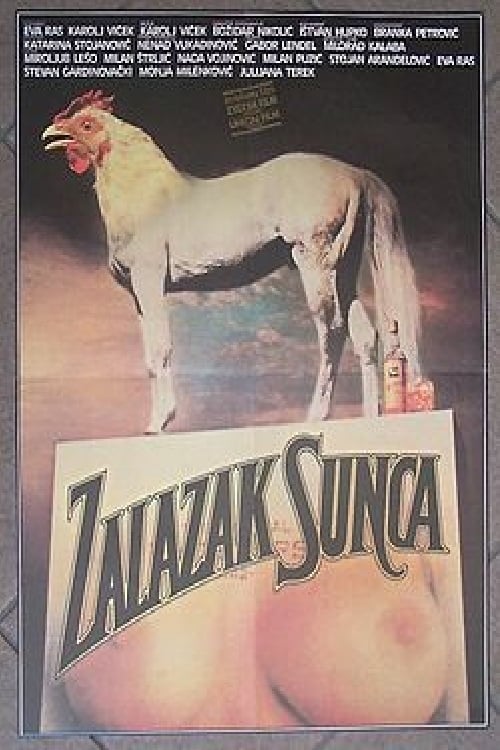
The Sunset
1982
No user ratings available yet
Representation score: 5.4 out of 10
Representation Score
Fair
1953
Director
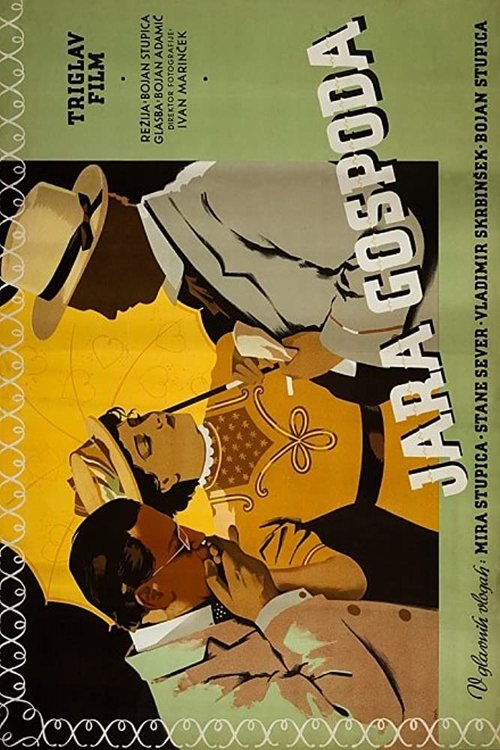
Bojan Stupica
Runtime
107 minutes
Average Rating
No ratings yetNew Showbiz Analysis
The Upstarts provides a sophisticated critique of class and social stratification set in 1890s Trieste. While it effectively deconstructs the ethical failures of the upper class, the representation of diverse identities remains limited. The film's strength lies in its rich cultural perspective, which incorporates Slovenian literary traditions to challenge traditional Western institutions. It offers a nuanced look at the multi-ethnic tensions inherent to the Mediterranean and Central European setting. However, the production adheres to a traditional dramatic framework regarding identity, lacking representation of disabilities and LGBTQ+ characters.
Category Breakdown
The film does not include any explicitly LGBTQ+ characters or situations involving non-straight relationships. It focuses on the moral decay of the upper class in the late 1800s, possibly through conventional family or romantic scandals.
The drama examines the domestic life and social roles of women in high society. It highlights the restrictive nature of aristocratic expectations, but there is no clear evidence of challenging traditional male leadership.
Set in 1890s Trieste, the film showcases a multi-ethnic environment influenced by Slovenian, Italian, and Austro-Hungarian cultures. The narrative centers on non-Anglo-Saxon perspectives through its Slovenian literary heritage.
The film critiques the class hierarchy and the corruption of established social orders. It dismantles the bourgeoisie, presenting the upper class as a site of systemic ethical failure.
There is no evidence of characters with visible or invisible disabilities playing a central role in the plot or being integrated into the narrative.
Present on Screen
Limited or Absent
Official Synopsis
Film about moral decay of Trieste elite during 1890s based on novel by Slovenian writer Janko Kersnik.
1982
1950
1971
1963
1954
1971
1976
1965
No reviews yet. Be the first to share your thoughts on this movie!
Use the rating form above to leave a star rating and optional review.