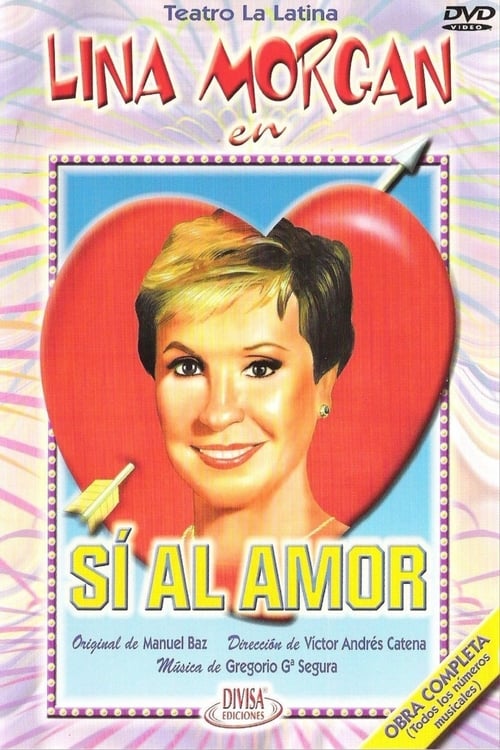
Sí al amor
1986
No user ratings available yet
Representation score: 1.4 out of 10

Representation Score
Fair
2014
Director
Ernesto Oña
Runtime
80 minutes
Average Rating
No ratings yetNew Showbiz Analysis
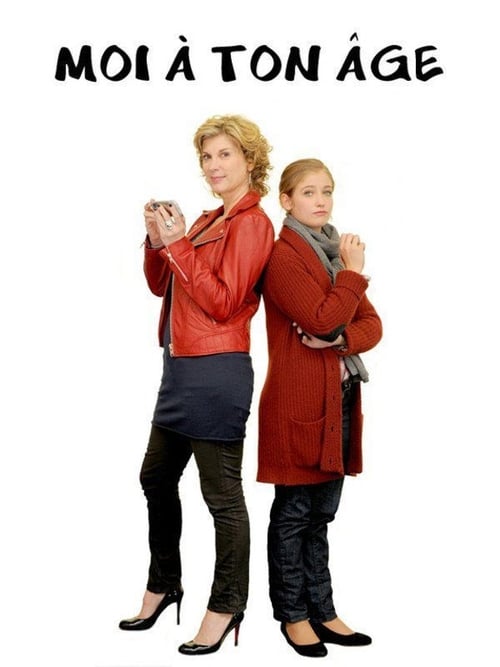
It's Never Too Late functions as a conventional comedic narrative that avoids progressive representation. The film adheres to traditional structures, focusing on situational humor rather than challenging social hierarchies. The work does not engage with diverse identities, following the demographic and social norms of mid-2010s French television. It does not attempt to challenge established power dynamics or institutional norms. Ultimately, the film serves as a mainstream comedy that upholds the status quo without offering a critique of gender, race, or disability.
Category Breakdown
The film follows typical comedic clichés centered around heterosexual relationships and does not include characters with diverse gender identities.
The show relies on conventional gender roles common in mid-2010s television. Women are not portrayed as having superior intellect or challenging masculine leadership.
The production aligns with the demographic norms expected in its regional market. It does not feature a predominantly non-white cast or actors playing characters from different ethnic backgrounds.
The film focuses on traditional comedic themes and solutions without questioning Western cultural institutions. It stays within mainstream social norms without offering critical insights.
The movie does not include characters with visible or invisible disabilities. The narrative does not address neurodivergence or physical disability arcs.
Present on Screen
Limited or Absent
1986
1990
2011

2020
1983

2016

2010

2012
No reviews yet. Be the first to share your thoughts on this movie!
Use the rating form above to leave a star rating and optional review.