The Rich Are Something Else
1977
No user ratings available yet
Representation score: 3.2 out of 10
Representation Score
Limited
1961
Director
Amacio Mazzaropi, Ismar Porto
Runtime
100 minutes
Average Rating
No ratings yetNew Showbiz Analysis
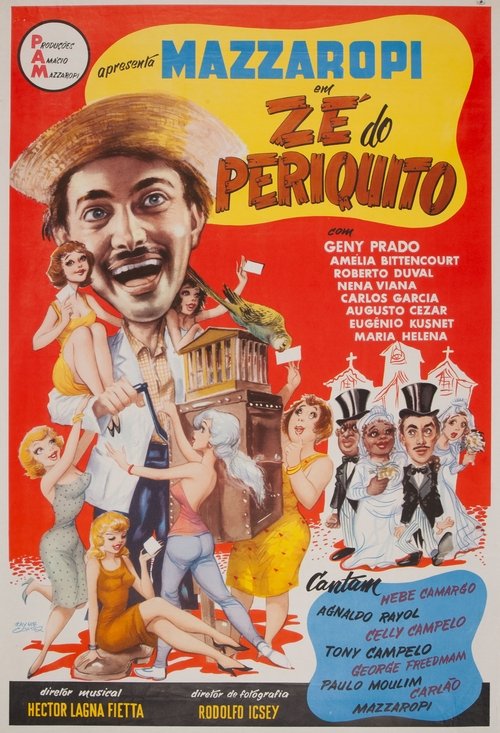
Zé do Periquito is a typical example of the Brazilian chanchada genre, which focuses on populist storytelling and the struggles of the working class. The narrative revolves around a traditional romantic storyline where the male protagonist navigates social hierarchies through personal success. While the film offers insights into the socioeconomic disparities of 1960s Brazil, it lacks complexity in addressing multiple aspects of identity. The themes of class and romance are conveyed through conventional storylines rather than a systemic critique. Ultimately, the film serves as a comedic portrayal of social aspiration, reinforcing traditional gender roles and social structures without challenging them.
Category Breakdown
The film follows traditional romantic storylines centered around a heterosexual relationship between the male lead and his female love interest.
Zenó is the main character who seeks wealth to overcome socioeconomic barriers. The female character primarily serves as the object of Zenó's desires.
The film is set in a multi-ethnic Brazilian environment. However, it is unclear whether the story challenges or perpetuates the racial hierarchies of the time.
The story examines class tensions through the lens of individual wealth accumulation. It focuses on personal success rather than critiquing broader social structures.
There are no characters with physical or neurodivergent disabilities featured in this production.
Present on Screen
Limited or Absent
Official Synopsis
Zenó (Mazzaropi) is a poor gardener of a traditional school in São Paulo who falls in love with one of the local girls, much richer and younger than him. Willing to conquer her, he decides to get rich, getting involved in the most varied and funny situations.
1977

2003

1975
2003
1968

1958
1977
1958
No reviews yet. Be the first to share your thoughts on this movie!
Use the rating form above to leave a star rating and optional review.