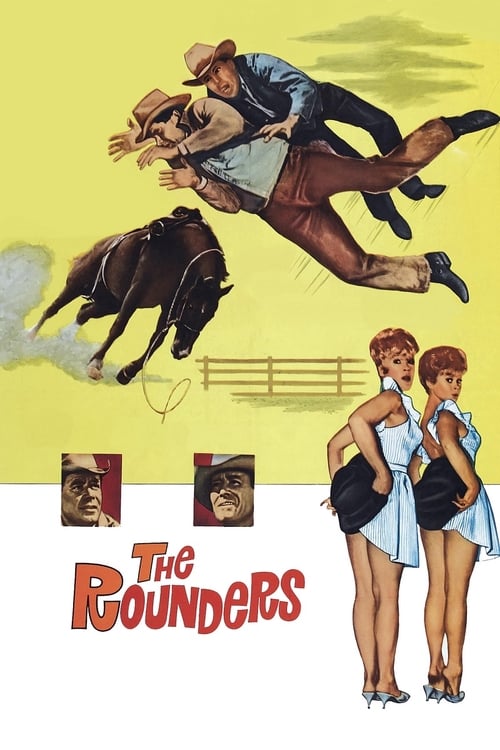
The Rounders
1965
No user ratings available yet
Diversity score: 1.7 out of 10

1970
PG-13Director
Burt Kennedy
Runtime
91 minutes
Average Rating
No ratings yetSynopsis
Ass-breaker Dingus Magee is looking for a gold train when he comes upon old acquaintance Hoke Birdsill on stage to San Francisco, and robs him of his money. Hoke goes to the nearby town of Yerkey's Hole, where Belle Knops is both mayor and bordello-mistress. She appoints Hoke Town Sheriff and tries to get him to stir up the Indians so the soldiers at the nearby fort (the main customers) won't go to Little Big Horn. Dingus tries to stir up more trouble and get involved with the pale, baby-talking Indian, Anna. The film is a send-up of the oft-repeated phrase "the Code of the West" and exaggerates it and what it stands for into the ridiculousness that it is.
Overall Score
Fair
Category Breakdown
LGBTQ+ Representation
The film lacks LGBTQ+ characters or any exploration of non-heteronormative identities. Social dynamics remain strictly within the heteronormative structures typical of the 19th-century frontier setting.
Gender Representation
Belle Knops holds local authority as mayor and bordello-mistress, yet her power is tied to the town's social commodification. Female characters primarily facilitate the male protagonists' comedic journeys.
Racial & Ethnic Diversity
Casting Jimmie Walker as the central protagonist provides a significant departure from the Anglo-centric norms of 1970s Westerns. This placement grants a person of color central agency within the frontier mythos.
Religious & Cultural Diversity
The narrative satirizes 'The Code of the West' to critique the perceived sanctity of frontier morality. It focuses on character incompetence rather than offering a systemic or anti-capitalist critique.
Disability Representation
There is no discernible representation of physical, neurodivergent, or mental health disabilities among the characters.
Strengths
Areas for Improvement
AI Analysis
Dirty Dingus Magee stands out primarily for its subversion of Western casting traditions. By centering a Black actor in the lead role, the film breaks the white hegemony that defined the genre during this era. However, the film's social structures remain largely traditional. While it mocks the 'Code of the West,' it does not engage in deep systemic critique, opting instead for slapstick satire. Gender roles and the absence of LGBTQ+ or disability representation keep the overall diversity score moderate.
1965
1969
1975
1972
1962
1971
1971

1975

1966
1968
1995
1984
No reviews yet. Be the first to share your thoughts on this movie!
Use the rating form above to leave a star rating and optional review.