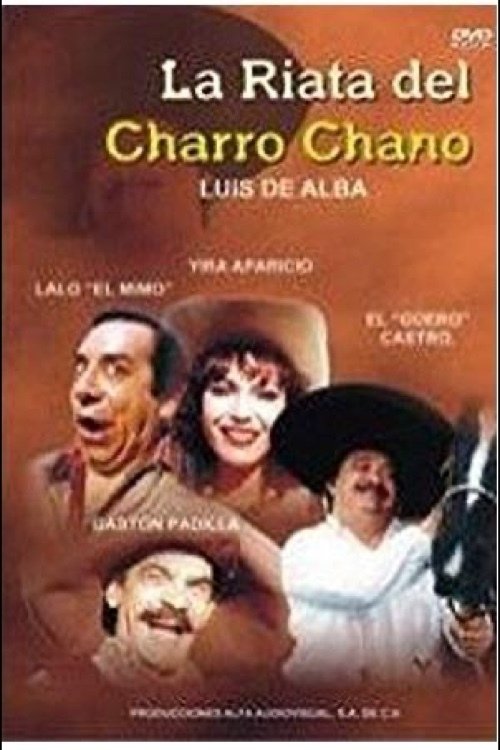
La Riata del charro chano
1995
No user ratings available yet
Representation score: 1.4 out of 10
Representation Score
Limited
1962
Director
René Cardona
Runtime
89 minutes
Average Rating
No ratings yetNew Showbiz Analysis
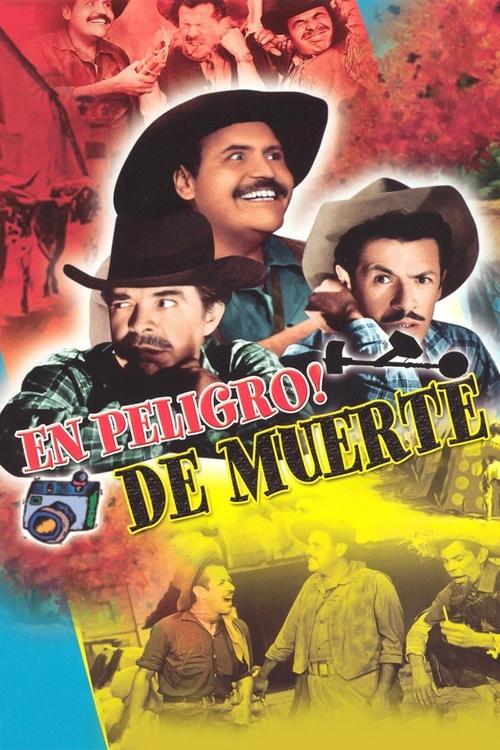
¡En peligro de muerte! is a 1962 Mexican comedy-western that follows the conventions of its time. While it offers a non-Western perspective due to its Mexican origin and cast, it does not use advanced narrative techniques to challenge social hierarchies. The film provides a baseline of ethnic representation by centering Mexican identities, which contrasts with the standard Hollywood Western. However, it lacks evidence of diverse identities or intentional subversion of traditional norms. Overall, the film functions as a genre piece reflecting the cultural and social expectations of 1960s Mexican cinema rather than pushing for progressive representation.
Category Breakdown
The film does not show any clear evidence of LGBTQ+ identities. It seems to follow traditional social structures common in 1960s Mexican commercial comedy.
Female actors like Lorena and Teresa Velázquez are part of the ensemble. However, the film likely adheres to traditional gender roles typical of Western comedies.
Being a Mexican production, the film centers on Mexican identities. This provides a contrast to the typically homogeneous white casts found in Western cinema.
The film engages with traditional Western genre clichés. It follows the cultural norms and moral frameworks of its era without challenging them.
There is no information available about the portrayal of physical or neurodivergent characters in this production.
Present on Screen
Limited or Absent
1995
1970

1977
1963
1984

1972
1954
1960
No reviews yet. Be the first to share your thoughts on this movie!
Use the rating form above to leave a star rating and optional review.