Everyday Objects
2013
No user ratings available yet
Representation score: 4.6 out of 10
Representation Score
Fair
2006
Director
Hélène Cattet, Bruno Forzani
Runtime
15 minutes
Average Rating
No ratings yetNew Showbiz Analysis
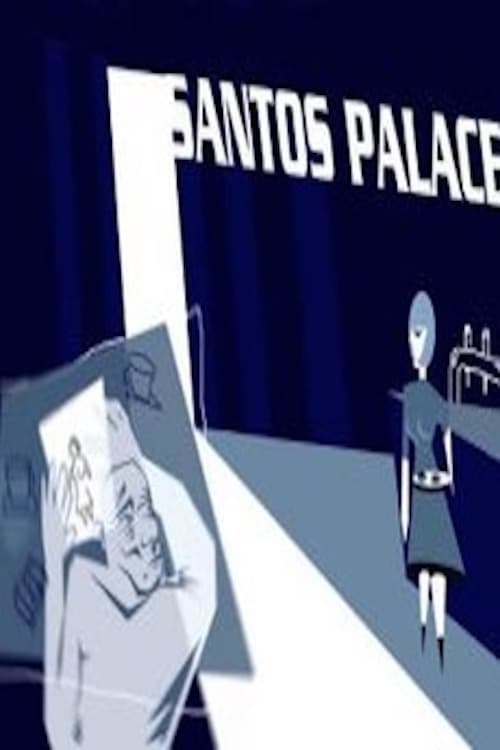
Santos Palace is a formalist experiment that prioritizes aesthetic experience over traditional social teachings. By using CinemaScope and rhythmic editing, the directors disrupt conventional narrative structures and courtship rituals. The film's strength lies in its refusal to engage with restrictive stereotypes. It replaces standard identity and hierarchy clichés with a deconstructed, sensory-driven view of human connection. However, the highly abstract nature of the work results in a lack of explicit demographic detail. This makes it difficult to assess specific representation regarding race, religion, or disability.
Category Breakdown
The film avoids traditional heterosexual storylines in favor of an abstract encounter focused on visual engagement. Though specific identity labels are not used, the emphasis on being seen suggests a flexible approach to intimacy.
Focusing on a waitress and a customer, the film dismantles the traditional male gaze through close-up shots. The interaction avoids power imbalances, emphasizing a rhythmic tension between the characters.
The film emphasizes abstract forms and sensory details, prioritizing texture and light. There is no clear indication of specific ethnic themes or the racial makeup of the cast.
The work aligns with secular, postmodern ideas by prioritizing audiovisual concepts over social frameworks. It explores an isolated moment of connection that exists outside traditional Western institutions.
There is no evidence to suggest that neurodivergence or physical disabilities are central themes. The narrative focuses on sensory impressions rather than specific traits related to disability.
Present on Screen
Limited or Absent
Official Synopsis
Santos Palace is a coffee shop in Belgium. There, a waitress serves a strange client. Their eyes meet, minutes pass and we seem to witness a love story that hasn’t began or may have already started, with its potential jealousies and passions, or which may never happen at all; another type of romance. The feeling of seeing or being seen, the rhythmical editing, the use of cinemascope to make objects and spaces appear as abstract forms, the predominance of detailed shots: these are all obsessions, forms and audiovisual ideas that explode in this surprising film.
2013
1989
2002
1970

1982
2015
2012
2011
No reviews yet. Be the first to share your thoughts on this movie!
Use the rating form above to leave a star rating and optional review.