
Belleville Cop
2018
No user ratings available yet
Diversity score: 5.6 out of 10
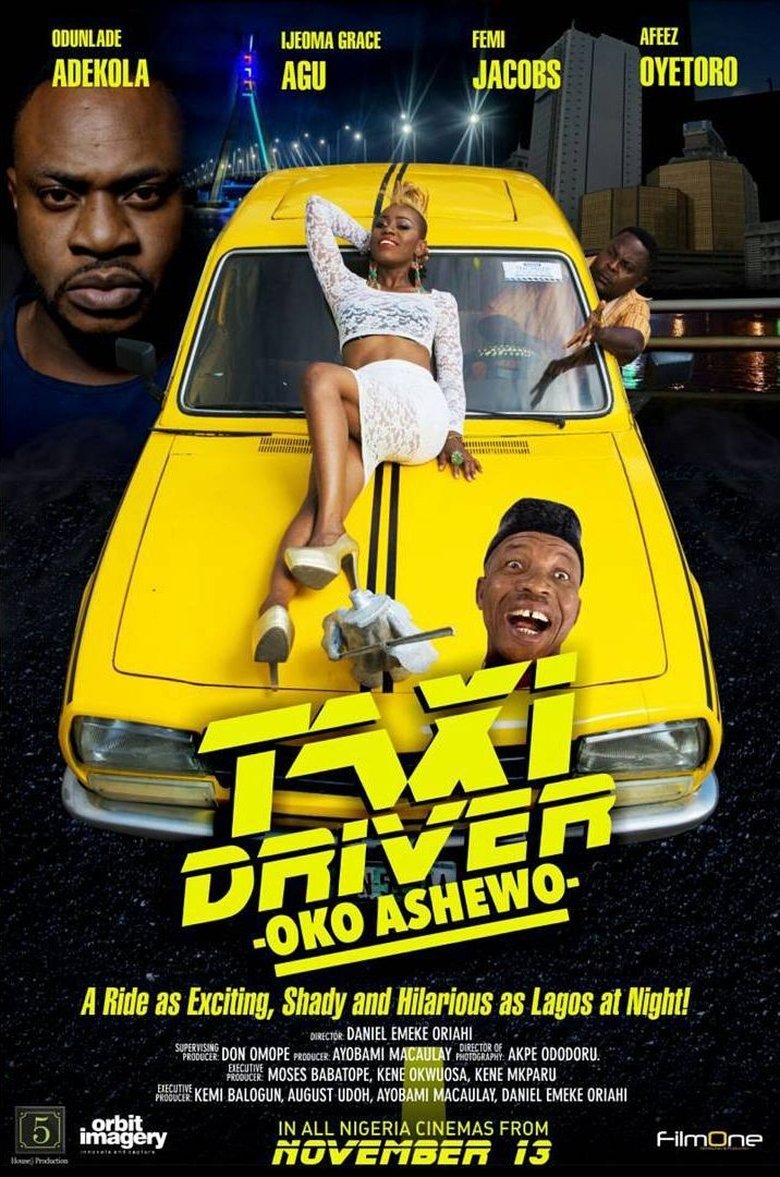
2015
Director
Daniel Emeke Oriahi
Runtime
100 minutes
Average Rating
No ratings yetSynopsis
A small-town mechanic turned chauffeur for the mob gets caught up in the troubles of a beautiful sex worker, in this Scorsese-meets-Nollywood crime comedy that transforms the fast-paced and vibrant city of Lagos into an expressionistic film noir metropolis.
Overall Score
Good
Category Breakdown
LGBTQ+ Representation
The film lacks explicit evidence of LGBTQ+ characters or non-heteronormative narratives. The plot focuses on organized crime and sex work rather than queer identity.
Gender Representation
A female sex worker serves as a central driver of the conflict, suggesting a degree of agency. However, the crime-comedy genre risks reinforcing traditional gendered power dynamics.
Racial & Ethnic Diversity
The film excels by centering a predominantly Black cast within the vibrant metropolis of Lagos. This recontextualizes noir tropes within a non-Western, post-colonial setting.
Religious & Cultural Diversity
The narrative offers a nuanced view of survival by centering characters on the social periphery. It explores complex social hierarchies and the gritty reality of the urban underworld.
Disability Representation
There is no discernible information regarding the portrayal of physical or neurodivergent disabilities in this work.
Strengths
Areas for Improvement
AI Analysis
Taxi Driver: Oko Ashewo succeeds as a culturally specific reimagining of the crime genre. By transplanting film noir elements into the Lagos landscape, it provides a vital, non-Western perspective on classic cinematic tropes. The film's strength lies in its racial authenticity and its focus on characters living on the margins of society. This approach moves beyond simple moral binaries to explore systemic struggles and urban survival. However, the film's impact is limited by a lack of visible representation for LGBTQ+ identities and disabilities. While the female lead possesses agency, the genre's structure may still lean on traditional gendered tropes.
2018
2020
2019
2008
2020
2017

2018

1987
1979

2018

2022
1982
No reviews yet. Be the first to share your thoughts on this movie!
Use the rating form above to leave a star rating and optional review.