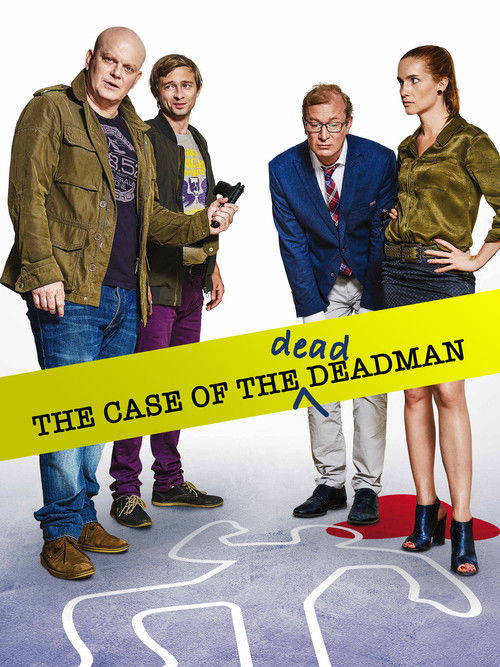
The Case of the Dead Deadman
2020
No user ratings available yet
Representation score: 1.8 out of 10
Representation Score
Fair
2020
TV-MADirector
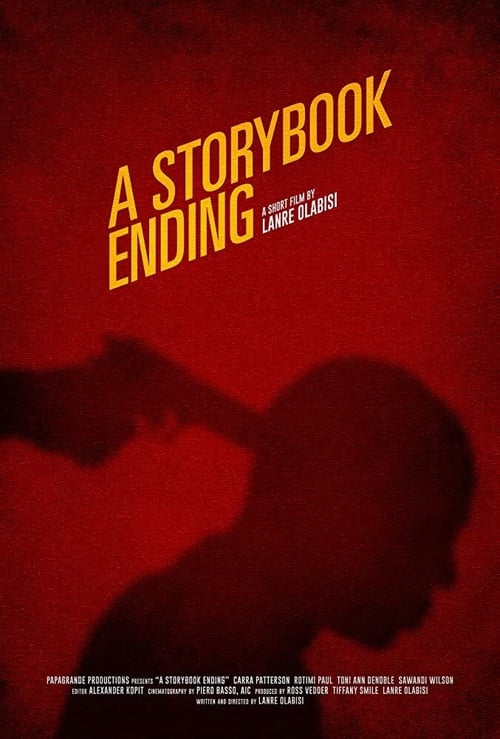
Lanre Olabisi
Runtime
18 minutes
Average Rating
No ratings yetNew Showbiz Analysis
A Storybook Ending centers its narrative on the systemic friction between a Black man and law enforcement. By placing a person of color at the heart of a high-stakes self-defense conflict, the film avoids traditional clichés that often sideline minority characters. However, the film's focus on racialized justice and crime-driven plot leaves other areas of representation, such as gender and LGBTQ+ identities, largely unexamined. The narrative's momentum is driven by racial ability to act rather than a broad spectrum of diverse identities. Ultimately, the film succeeds as a critique of institutional power, though it remains narrow in its demographic scope.
Category Breakdown
The film does not include explicit LGBTQ+ characters or non-straight relationships. The plot focuses heavily on racial tension and crime, leaving queer narratives unaddressed.
There is insufficient detail regarding the gender distribution of the cast. The narrative does not currently demonstrate the roles of female characters or challenge gender hierarchies.
The story centers a Black protagonist in a high-stakes conflict with a white authority figure. This disrupts common crime clichés by prioritizing Black ability to act within a systemic justice framework.
The film engages with themes of institutional corruption and moral complexity. It critiques established social orders through a chain reaction of deceit and blackmail following a self-defense incident.
No information is available regarding the inclusion or portrayal of characters with physical or neurodivergent disabilities.
Present on Screen
Limited or Absent
Official Synopsis
When a black man accidentally kills a white cop in self-defense, the cover-up sets off a chain reaction of deceit, blackmail, and murder.
2020
2001

2021
2019
2018

2020

2005

2019
No reviews yet. Be the first to share your thoughts on this movie!
Use the rating form above to leave a star rating and optional review.