
Sandow
1896
No user ratings available yet
Representation score: 1.2 out of 10
Representation Score
Limited
1925
Director
Nicholas Kaufmann, Wilhelm Prager
Runtime
104 minutes
Average Rating
No ratings yetNew Showbiz Analysis
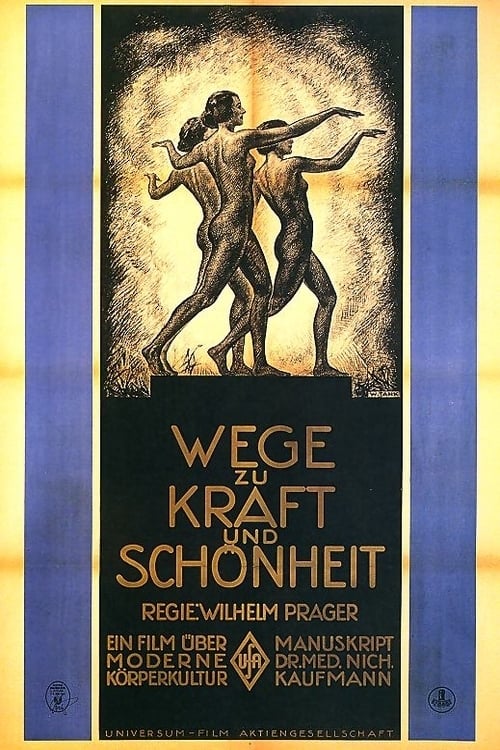
Ways to Strength and Beauty functions as a visual catalog of 1920s physical culture. It prioritizes a specific, narrow definition of human excellence through the lens of gymnastics, hygiene, and classical aesthetics. The film lacks character-driven narratives or social complexity, instead focusing on the spectacle of the able-bodied form. This creates a narrow scope that excludes diverse identities and physical abilities. Ultimately, the documentary serves as a historical artifact of Eurocentric beauty standards, emphasizing a singular, idealized vision of strength and perfection.
Category Breakdown
The film focuses on idealized physical archetypes and the male form. While there are references to queer visual histories, there is no explicit evidence of non-straight relationships or identities.
The documentary adheres to traditional 1920s gender roles and standards of beauty. The focus on body worship reinforces traditional gender hierarchies rather than challenging them.
The film relies heavily on Greco-Roman aesthetic standards and Eurocentric ideals of perfection. There is no indication of a diverse or non-Anglo-Saxon majority cast within the movement depicted.
The work promotes a specific 1920s European cultural ideal centered on discipline and hygiene. It reflects the institutionalized physical culture movements prevalent in early 20th-century Europe.
The narrative is built entirely around the concept of the 'perfect body.' This celebration of idealized gymnastics inherently excludes individuals with visible or invisible disabilities.
Present on Screen
Limited or Absent
Official Synopsis
The perfect body as an object of cult worship. Based on the mass sports and body worship movement of the 1920s, the film propagates physical training and shows in stylized documentary scenes aspects of physical hygiene, gymnastics, sports and dancing as well as scenes in which supposed sportsmen of antiquity pose naked.
1896
1938
1924
1935
1894
2013
1997
1977
No reviews yet. Be the first to share your thoughts on this movie!
Use the rating form above to leave a star rating and optional review.