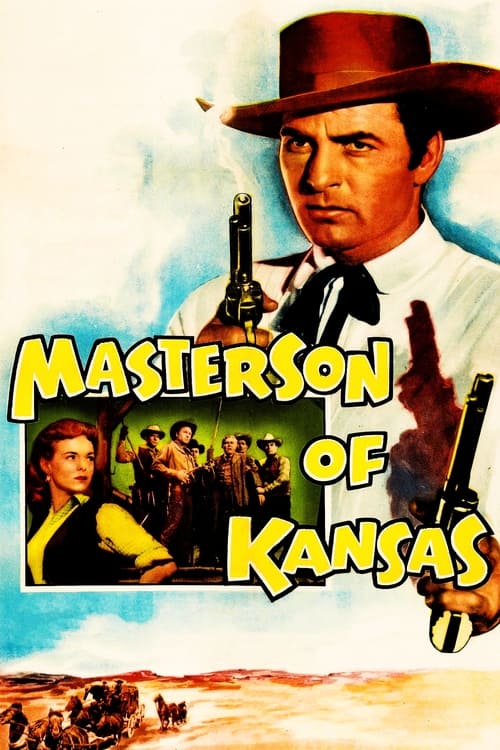
Masterson of Kansas
1954
No user ratings available yet
Representation score: 1.8 out of 10
Representation Score
Minimal
1961
ApprovedDirector
William Witney
Runtime
61 minutes
Average Rating
No ratings yetNew Showbiz Analysis
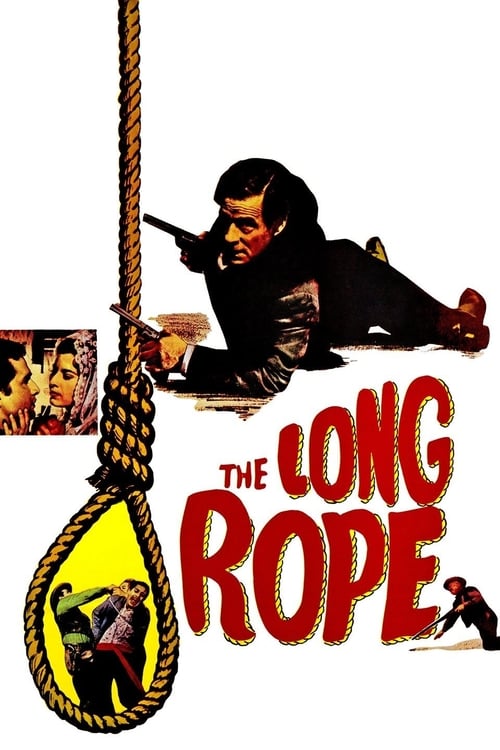
The Long Rope is a traditional 1961 Western that prioritizes genre-standard archetypes and linear storytelling. It functions as a conventional piece of mid-century cinema, adhering to the socio-cultural constraints of its era. Narrative ability to act is heavily centralized in a male protagonist, leaving little room for diverse perspectives or the way different parts of someone's identity overlap. The film reinforces established social hierarchies and institutional values rather than challenging them. Ultimately, the work serves as a product of its time, focusing on classical heroism and the moral clarity of the legal system within a homogeneous frontier setting.
Category Breakdown
The film follows the typical gender and orientation norms of 1961. There are no LGBTQ+ characters or narratives that question the assumption that everyone is straight.
The male judge takes a central role in pursuing justice alone. Female characters probably play conventional supporting roles without disrupting the established gender dynamics.
The narrative likely adheres to the homogeneous depictions of Western frontier life common in mid-century studio productions. It reflects the standard casting practices of the era.
The premise upholds traditional Western values of institutional integrity and moral clarity. The story aligns with established social structures rather than questioning them.
There is no documented evidence regarding the inclusion of characters with visible or invisible disabilities.
Present on Screen
Limited or Absent
Official Synopsis
A judge in a murder trial, believing the defendant is innocent, sets out to find the real killer.
1954
1956

1948
1948

1949

1944

1948

1971
No reviews yet. Be the first to share your thoughts on this movie!
Use the rating form above to leave a star rating and optional review.