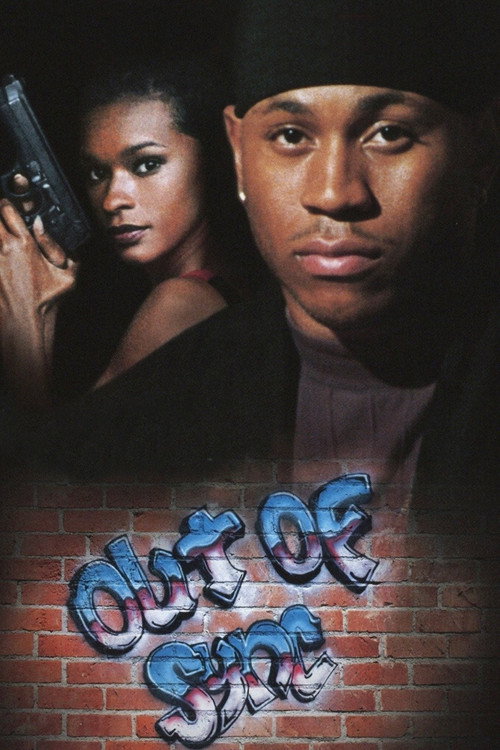
Out-of-Sync
1995
No user ratings available yet
Diversity score: 6.9 out of 10
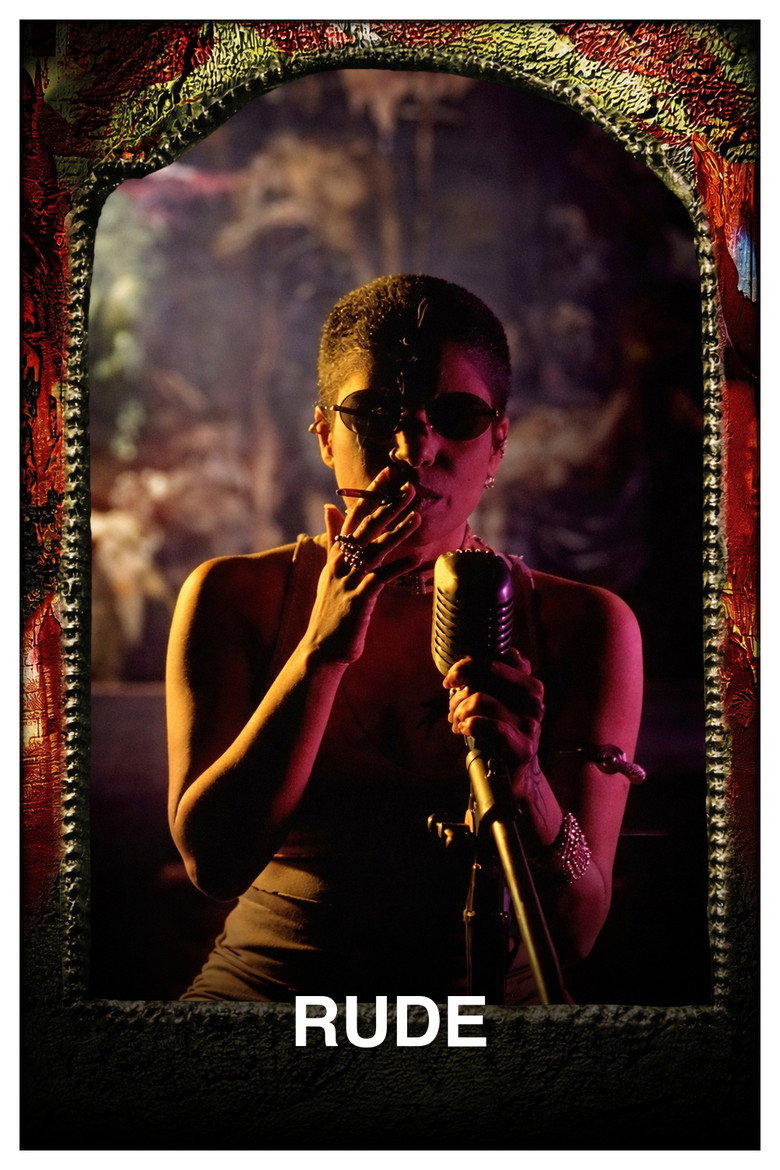
1995
RDirector
Clement Virgo
Runtime
89 minutes
Average Rating
No ratings yetSynopsis
This is the Easter weekend. In an inner city project, three people struggle against their demons and try to find redemption. They are Maxine, a window dresser depressed since she had an abortion and lost her lover ; Jordan, a boxer who has indulged in gay-bashing ; and 'The General', a drug dealer turned artist.
Overall Score
Excellent
Category Breakdown
LGBTQ+ Representation
The film offers a sophisticated look at queer identity by centering a protagonist navigating same-sex attraction. It moves beyond tokenism to explore the intersection of sexuality and racial identity within a rigid community.
Gender Representation
Masculinity is deconstructed by portraying the pressure to conform to 'tough' standards as a source of vulnerability. While Maxine provides a lens into systemic hardship, the film primarily subverts traditional male dominance.
Racial & Ethnic Diversity
With an all-Black cast, the film avoids the white gaze by centering the Black diaspora experience. Racial and ethnic identities are treated as central to character agency and survival.
Religious & Cultural Diversity
The narrative provides a structural critique of urban environments and capitalist structures. It avoids traditional morality, instead presenting a complex, situational ethics shaped by socioeconomic marginalization.
Disability Representation
The film explores deep psychological struggles and internal demons. However, there is no specific evidence regarding the portrayal of physical or neurodivergent disabilities.
Strengths
Areas for Improvement
AI Analysis
Rude is a powerful example of intersectional storytelling that disrupts traditional tropes. By weaving together race, sexuality, and class, the film creates a rich, multi-layered portrait of life within an urban Canadian housing project. The narrative succeeds by centering marginalized perspectives and avoiding the pitfalls of the white gaze. It uses its setting to critique systemic oppression and the rigid social hierarchies that govern the characters' lives. While the film excels in its portrayal of racial and queer identities, it lacks specific evidence regarding disability representation. Overall, it remains a significant work for its nuanced exploration of postmodern identity.
1995
2017
2021

2013
2011

2011
2016

1996
1998

2004
2003
1973
No reviews yet. Be the first to share your thoughts on this movie!
Use the rating form above to leave a star rating and optional review.