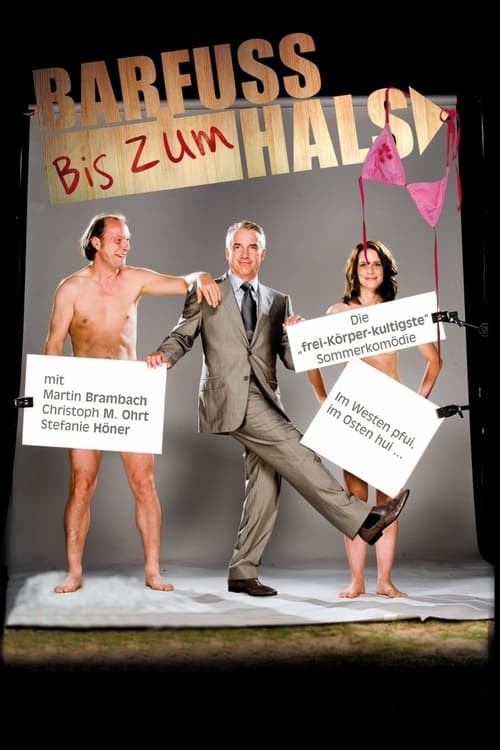
Barefoot to the Neck
2009
No user ratings available yet
Diversity score: 3.1 out of 10
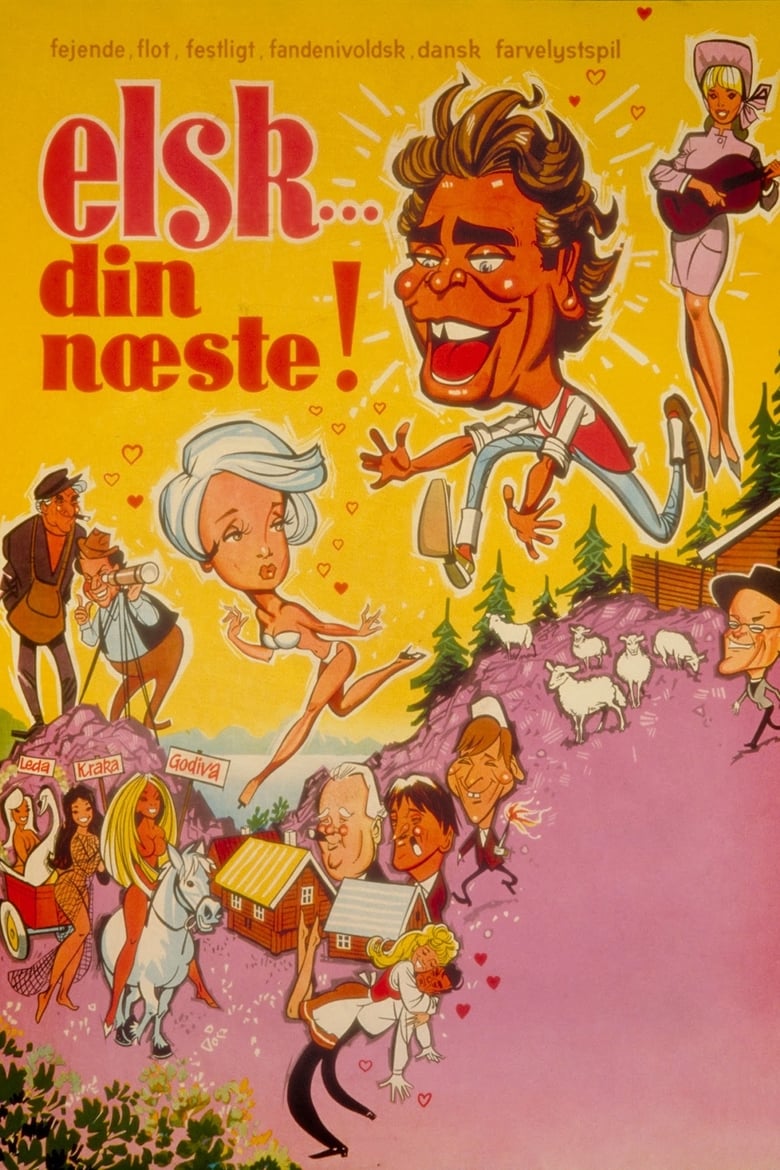
1967
Director
Egil Kolstø
Runtime
97 minutes
Average Rating
No ratings yetSynopsis
Love Thy Neighbour (Danish: Elsk... din næste!, German: Vergiß nicht deine Frau zu küssen ) is a 1967 Danish-German comedy film directed by Egil Kolstø and starring Walter Giller.
Overall Score
Limited
Category Breakdown
LGBTQ+ Representation
The film centers on a heteronormative marital relationship between Sven and his wife. There is no evidence of queer narratives or non-cisnormative identities present in the story.
Gender Representation
The narrative relies on traditional domestic dynamics. While the protagonist's career subtly challenges certain masculine expectations, the film does not actively dismantle established gender hierarchies.
Racial & Ethnic Diversity
Set in a small Norwegian town, the film depicts a homogeneous social environment. The story lacks a multi-ethnic cast or the integration of diverse racial identities.
Religious & Cultural Diversity
The plot explores the friction between modern individualism and traditional community values. It focuses on social curiosity and tourism rather than a critique of systemic cultural institutions.
Disability Representation
The available narrative details contain no mention of characters navigating physical, sensory, or neurodivergent disabilities.
Strengths
Areas for Improvement
AI Analysis
Love Thy Neighbour is a mid-century comedy of manners that prioritizes localized social friction over intersectional representation. The story follows an erotic writer attempting to find peace in a traditional Norwegian town, using his outsider status to drive the plot. While the film explores the tension between an unconventional profession and a conservative community, it remains firmly rooted in the social and demographic status quo of the 1960s. The conflict is driven by social curiosity rather than a deconstruction of systemic power structures. Ultimately, the film functions as a character-driven comedy that maintains conventional frameworks for gender, orientation, and ethnicity, offering little disruption to broader cultural hierarchies.
2009
1963

1974
1954
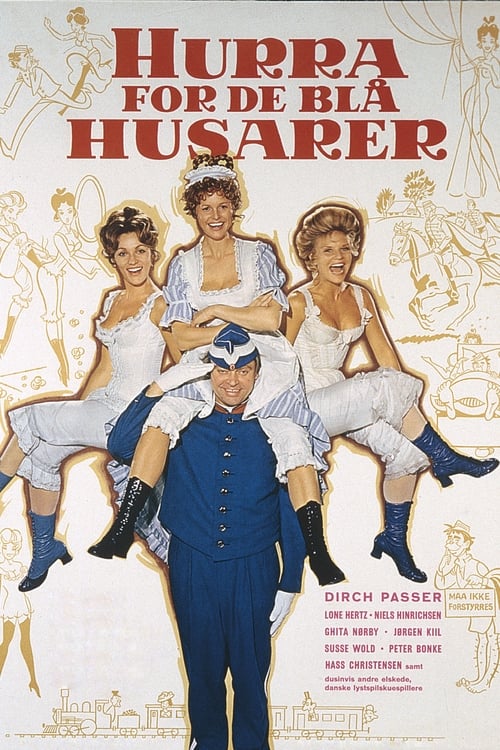
1970
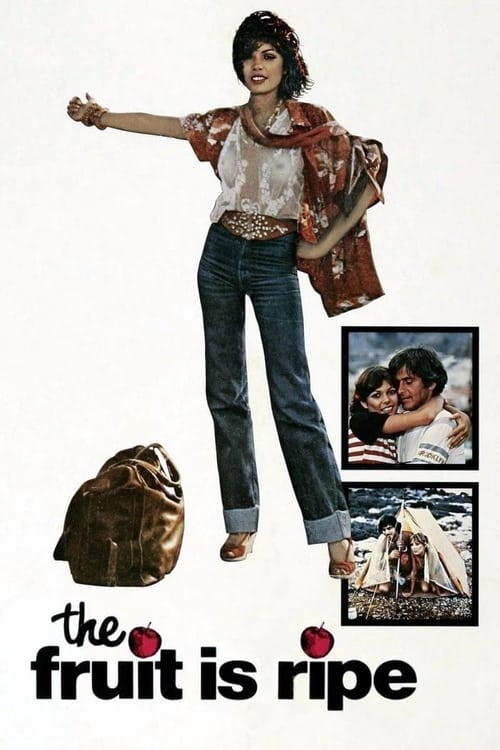
1977
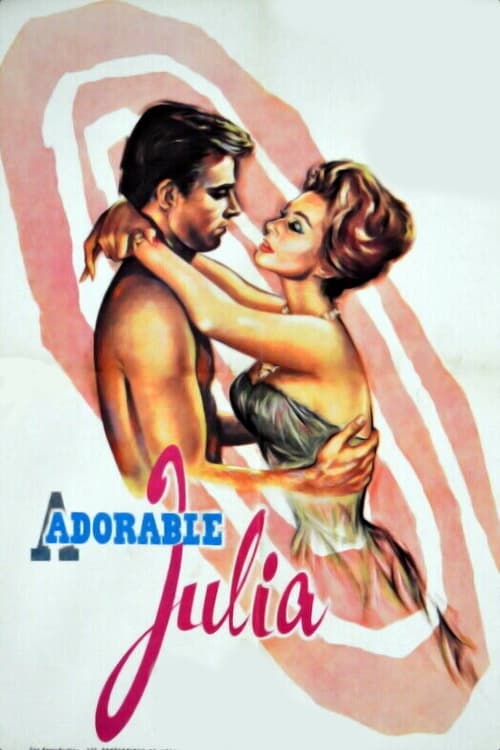
1962

1969

1974

2008
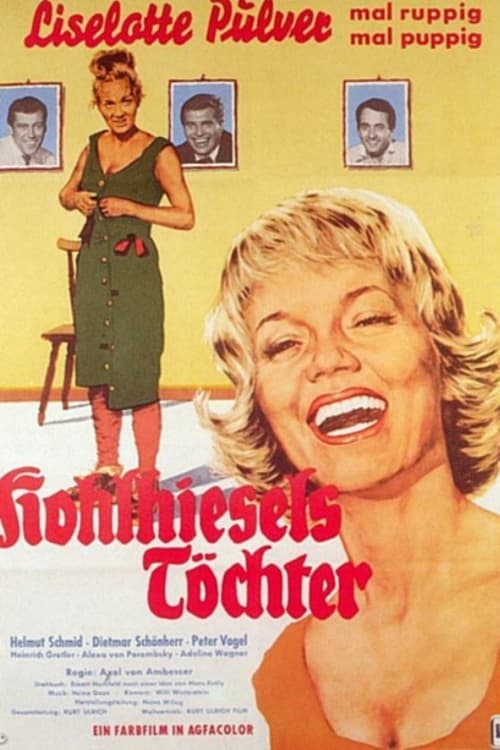
1962
1963
No reviews yet. Be the first to share your thoughts on this movie!
Use the rating form above to leave a star rating and optional review.