
Viva
2015
No user ratings available yet
Representation score: 1.9 out of 10
Representation Score
Good
2009
RDirector
Peter Bratt
Runtime
117 minutes
Average Rating
No ratings yetNew Showbiz Analysis
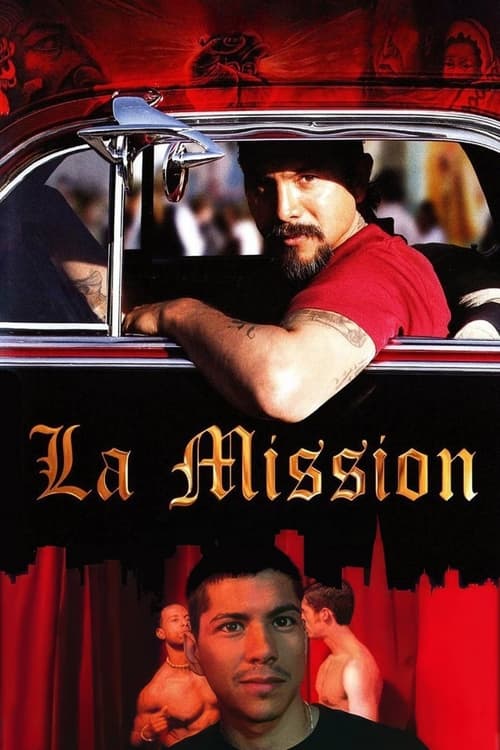
La Mission is a sophisticated character study that challenges conventional cultural clichés. It places a queer narrative at the heart of a hyper-masculine ethnic enclave, offering a nuanced look at identity and family within the Chicano context. The film succeeds by using specific cultural markers to represent the Chicano experience authentically. This creates a sense of place that feels lived-in and true to life. While exploring complex themes of redemption and masculinity, the film remains grounded in the specific social pressures of the Mission District, making the characters' personal growth feel genuine.
Category Breakdown
The film focuses on Jes's queer identity, which creates emotional tension within a hyper-masculine environment. Jes's journey challenges the rigid expectations of the barrio culture.
The movie deconstructs traditional masculinity by showing how stoicism can prevent genuine connections. Che must overcome physical dominance and patriarchal hierarchies to reach emotional maturity.
The film offers an authentic portrayal of the Chicano/Latino community using specific cultural elements like lowrider culture. This avoids including someone from a minority group without giving them real depth and allows characters to have a significant role in the story.
The story examines redemption and survival through personal growth. It critiques the strict social structures that enforce traditional family roles in urban settings.
There are no prominent depictions of physical or neurodivergent disabilities that significantly affect the narrative.
Present on Screen
Limited or Absent
Official Synopsis
Growing up in the Mission district of San Francisco, Che Rivera has always had to be tough to survive. He's a powerful man respected throughout the Mission barrio for his masculinity and his strength, as well as for his hobby building beautiful lowrider cars. A reformed inmate and recovering alcoholic, Che has worked hard to redeem his life and do right by his pride and joy: his only son, Jes, whom he has raised on his own after the death of his wife. Che's path to redemption is tested, however, when he discovers Jes is gay. To survive his neighborhood, Che has always lived with his fists. To survive as a complete man, he'll have to embrace a side of himself he's never shown.
2015

2023

2014

2017

2006

2017

2018
1992
No reviews yet. Be the first to share your thoughts on this movie!
Use the rating form above to leave a star rating and optional review.