The Adventures of Rocky & Bullwinkle
2000
No user ratings available yet
Representation score: 2.4 out of 10
Representation Score
Good
2006
TV-Y7Director
Guy Moore, Tom Warburton
Runtime
73 minutes
Average Rating
No ratings yetNew Showbiz Analysis
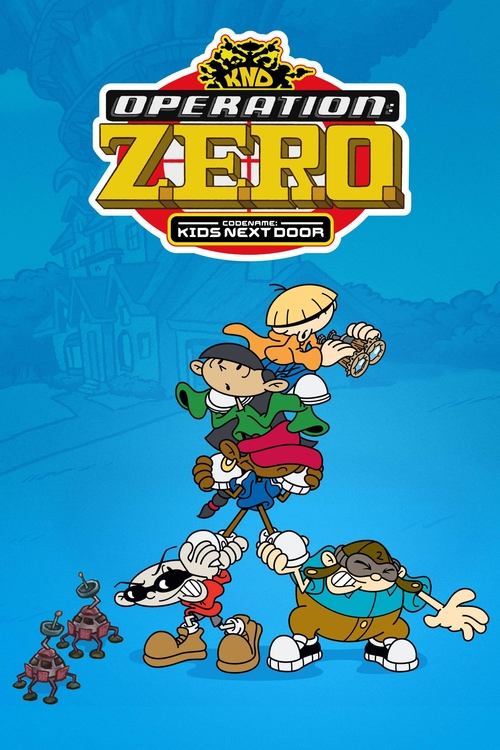
Operation Z.E.R.O. is a film that challenges authority rather than focusing on explicit demographic representation. It excels at cultural critique, using the struggle for childhood autonomy to question the oppressive nature of traditional societal structures and institutional control. Though the film lacks clear markers for LGBTQ+ or racial diversity due to its stylized character designs and focus on age-based conflict, it succeeds in presenting a gender-equal tactical environment. The core strength lies in its progressive themes of resisting systemic conformity. Ultimately, the film uses a metaphor about bodily autonomy and the fight against institutionalized power instead of traditional identity politics.
Category Breakdown
The film focuses on the conflict between childhood autonomy and adult tyranny. It doesn't include explicit LGBTQ+ identities or queer-coded narratives, sticking to typical animated adventure themes.
The KND paramilitary organization shows a gender-equal structure for leadership and tactical skills. This challenges traditional gender roles by depicting adult authority as a source of systemic issues.
The stylized, non-humanoid character designs make traditional racial analysis tricky. However, the 'kids vs. adults' conflict serves as a stand-in for identity-based power struggles and resistance to uniform social structures.
The narrative criticizes traditional Western institutions by showing family and adult-led structures as oppressive. It celebrates anti-authoritarianism through protagonists who resist systems meant to enforce blind conformity.
The 'Senior Citizombies' represent a loss of control and forced, mindless existence. This serves as a plot device for the villains rather than a detailed portrayal of disability.
Present on Screen
Limited or Absent
Official Synopsis
The villains of the Kids Next Door, lead by Father, join forces to resurrect the Ultimate Evil, Grandfather, a tyrant who once ruled the world many years ago when most of the villains were themselves kids. However, Father disgraced him that he can't even try to destroy the KND and the Villains were quickly betrayed when they are turned into Senior Citizombies, creatures that are immortal and can transform any living creature into one of them and slaves who are forced to make Tapioca to refuel Grandfather so he can find and destroy the Book of K.N.D.
2000
2003
2007
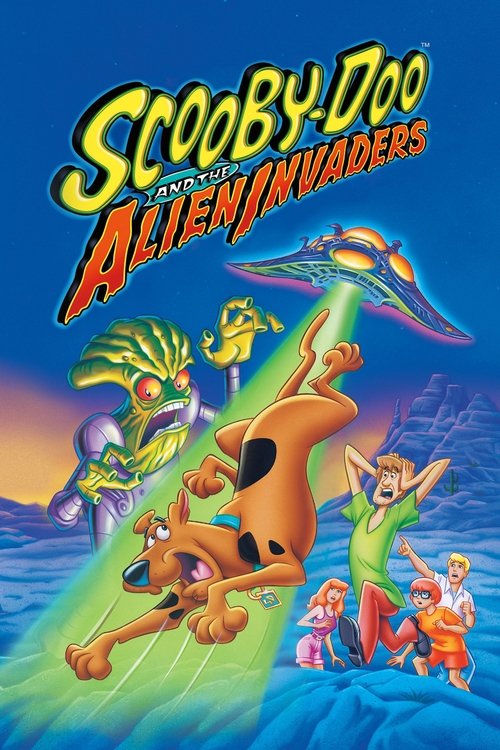
2000
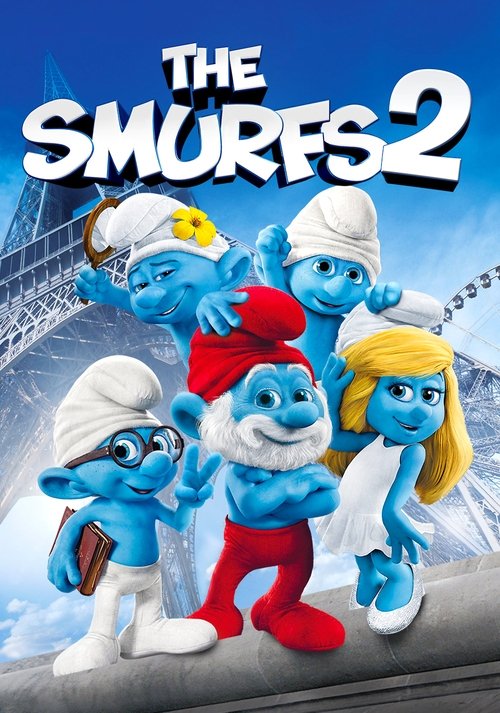
2013
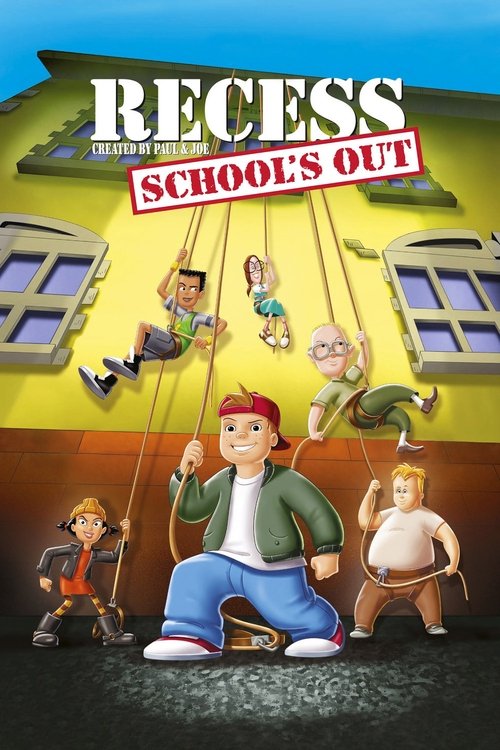
2001

2014
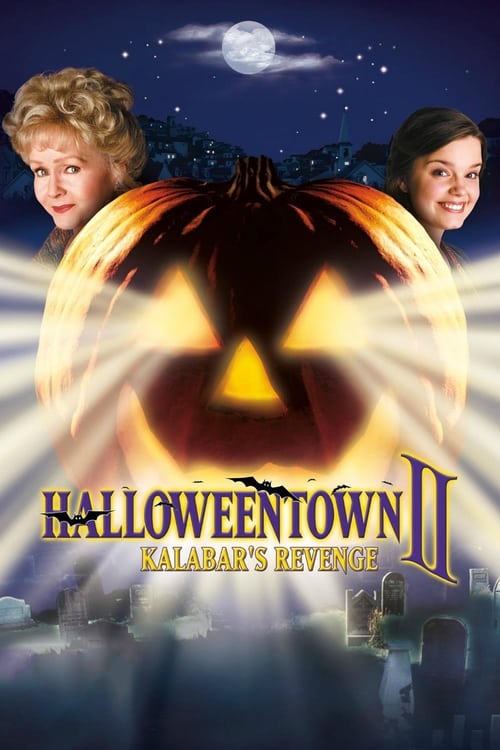
2001
No reviews yet. Be the first to share your thoughts on this movie!
Use the rating form above to leave a star rating and optional review.