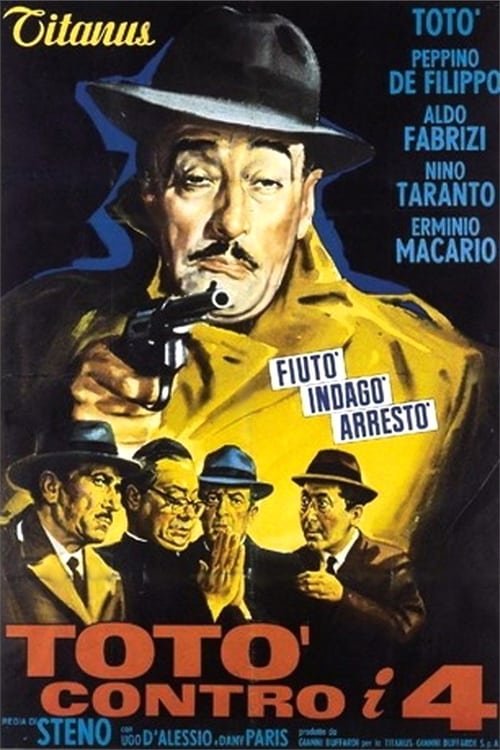
Totò vs the Four
1963
No user ratings available yet
Diversity score: 2.2 out of 10
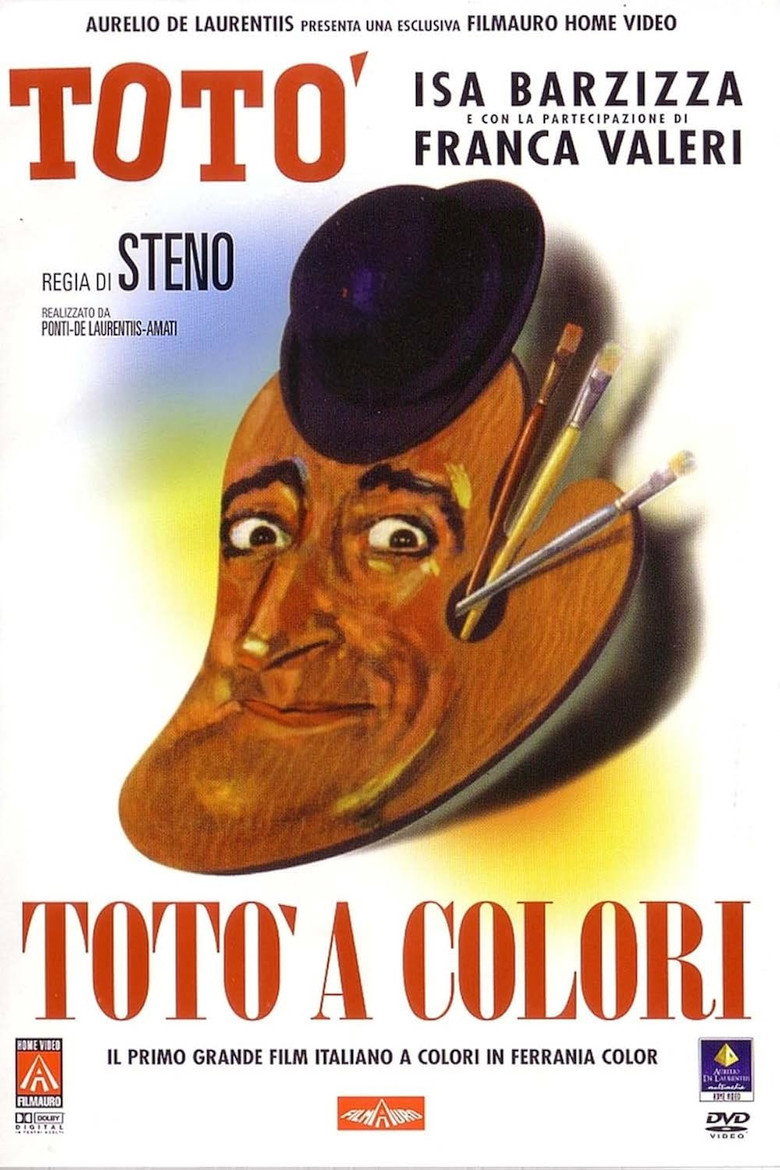
1952
Director
Steno
Runtime
93 minutes
Average Rating
No ratings yetSynopsis
In the first Italian film to be shot in color, Totò portrays a musician named Antonio Scannagatti who strongly hopes to sell his composition, "Epopea italiana", to Tiscordi, who is one of the most important Italian impresarios.
Overall Score
Limited
Category Breakdown
LGBTQ+ Representation
The film operates within a strictly heteronormative framework typical of 1952 Italy. There is no evidence of same-sex intimacy or non-cisnormative gender identities.
Gender Representation
Female characters primarily occupy domestic or romantic supporting roles. They function as catalysts for the male protagonist rather than driving the plot with independent agency.
Racial & Ethnic Diversity
The cast is largely homogeneous, reflecting the specific cultural context of the era. It lacks the intersectional breadth or diverse demographic tapestry found in modern media.
Religious & Cultural Diversity
Social satire is used to critique bureaucratic absurdity and working-class struggles. However, the narrative remains grounded in traditionalist views regarding family and social order.
Disability Representation
There is no significant evidence regarding the portrayal of visible or invisible disabilities within the film's narrative.
Strengths
Areas for Improvement
AI Analysis
Totò in color serves as a localized cultural study of mid-century Italy rather than a diverse demographic tapestry. The film relies on traditional comedic tropes and mid-century social hierarchies, offering little in the way of modern intersectional representation. While the film lacks contemporary markers of diversity, it finds depth through social satire. The protagonist uses wit to navigate rigid social structures and bureaucratic institutions, providing a subtle critique of class distinctions and institutional authority. Ultimately, the work is a product of its time, prioritizing the comedic genius of Totò and the exploration of post-war Italian society over systemic deconstruction or diverse casting.
1963
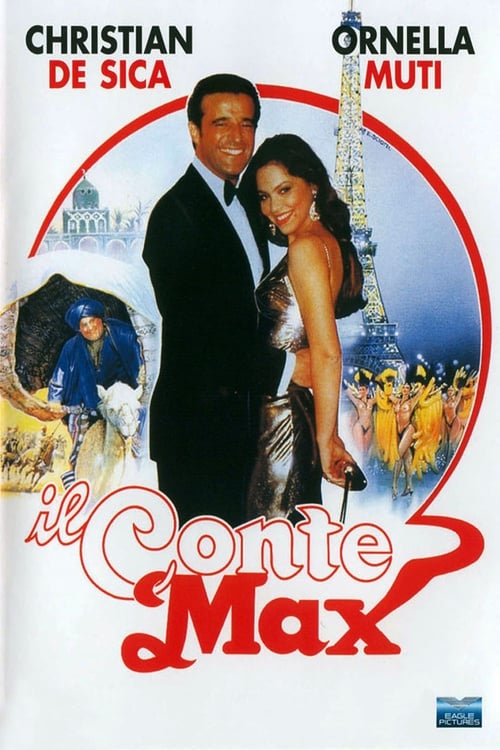
1991
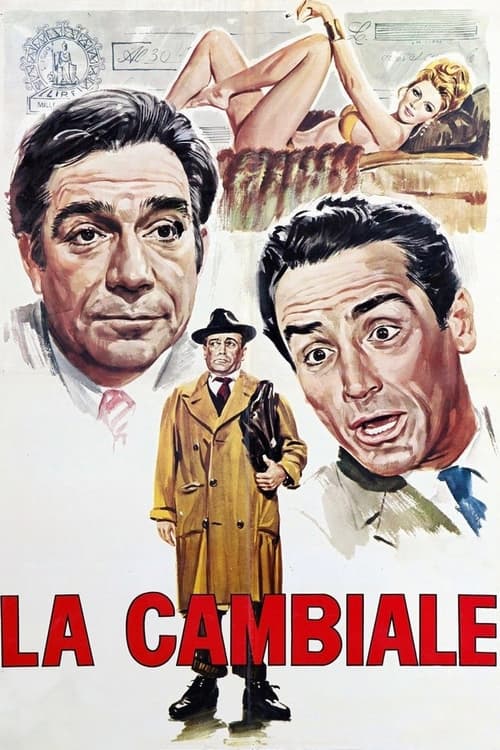
1959
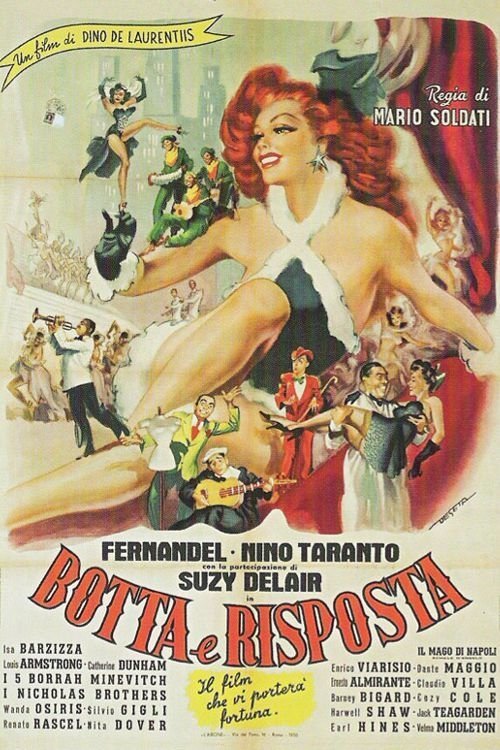
1950
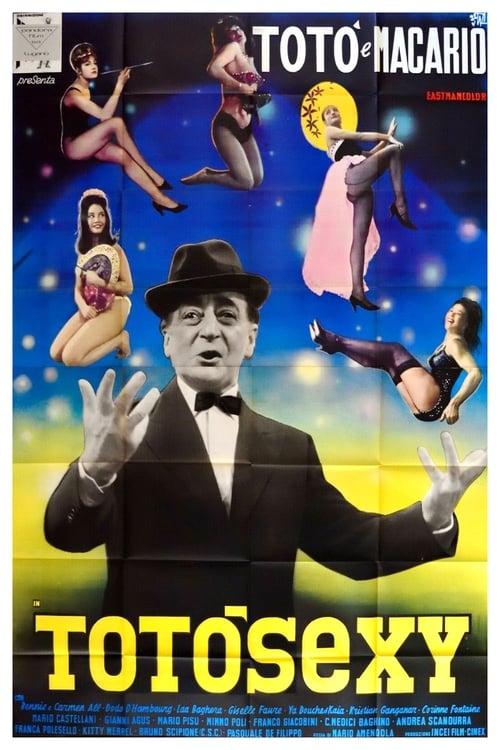
1963
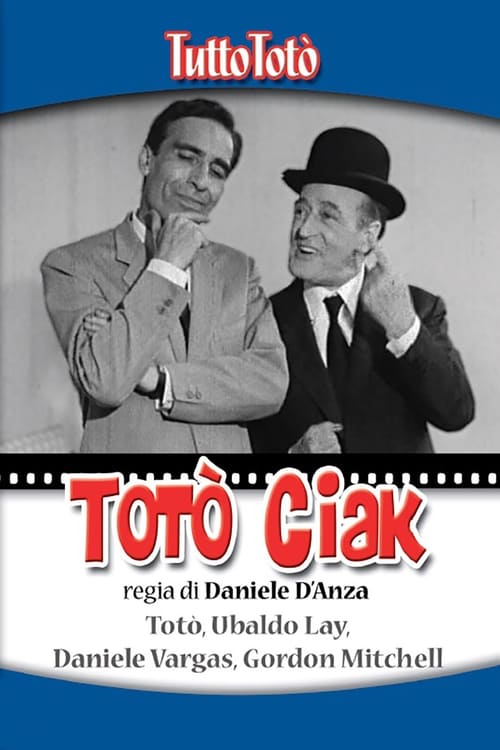
1967
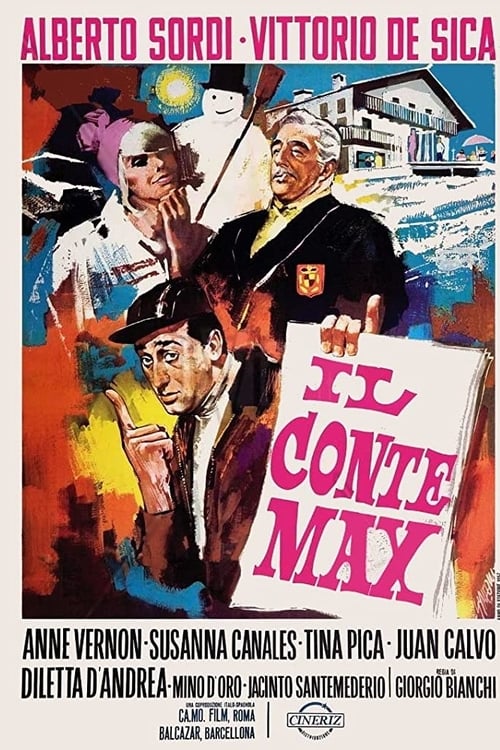
1957
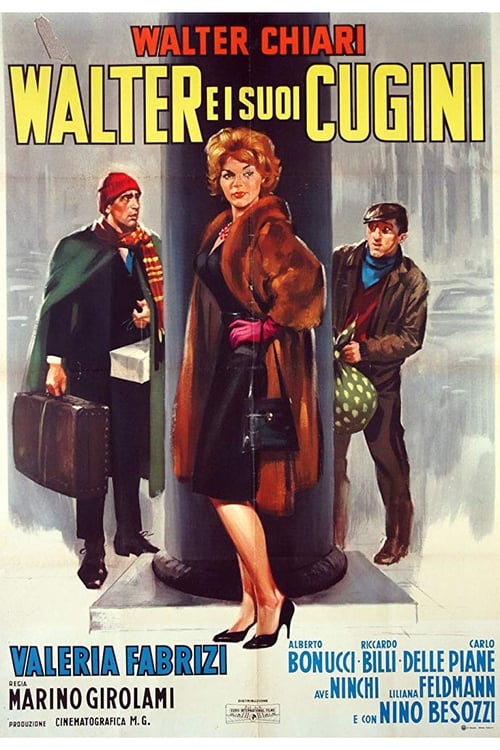
1961
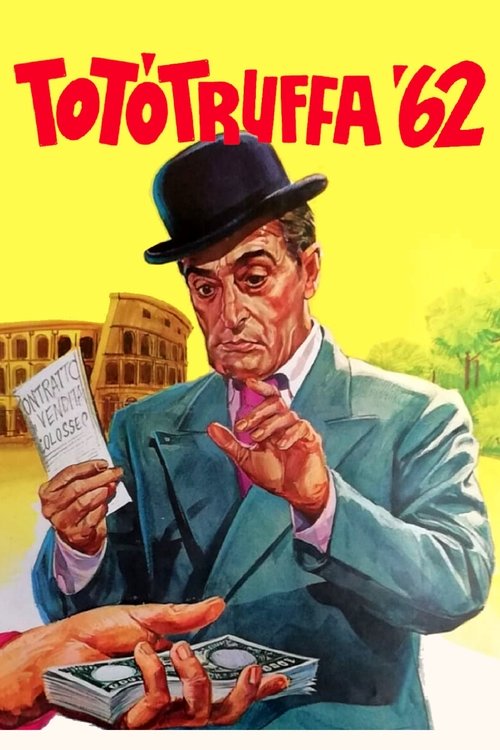
1961
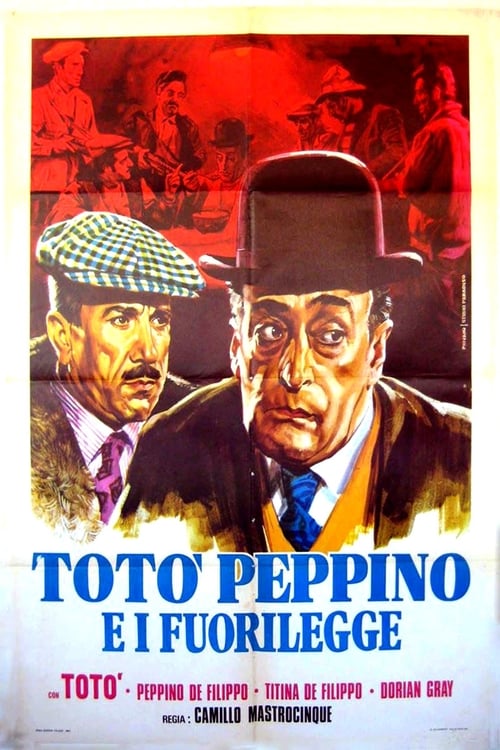
1956
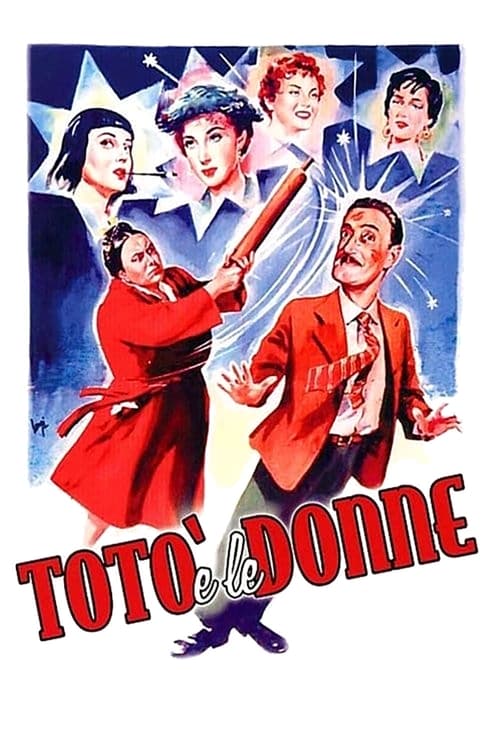
1952
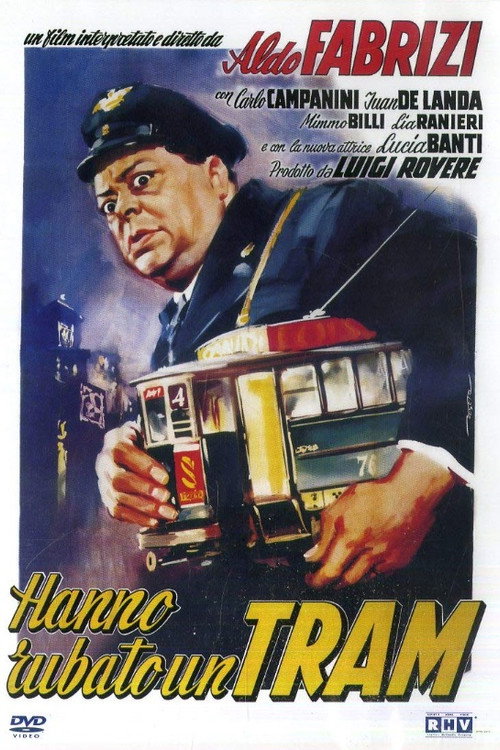
1954
No reviews yet. Be the first to share your thoughts on this movie!
Use the rating form above to leave a star rating and optional review.