
The Last Boy Scout
1991
No user ratings available yet
Representation score: 2.6 out of 10
Representation Score
Limited
1996
RDirector
Tony Scott
Runtime
116 minutes
Average Rating
No ratings yetNew Showbiz Analysis
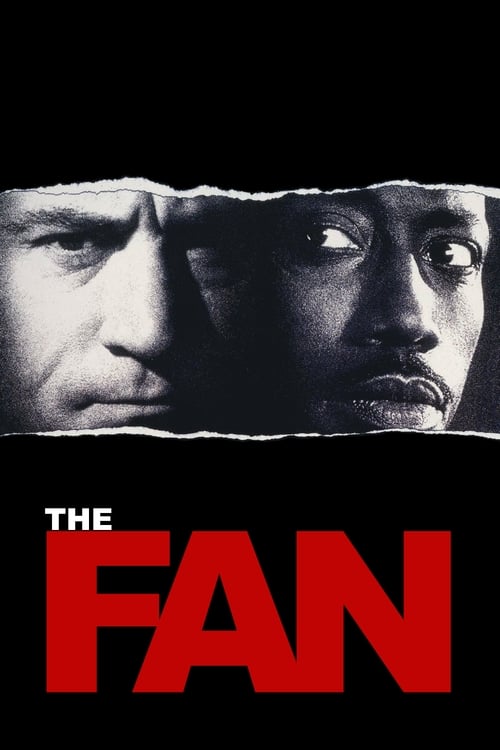
The film is a psychological character study that emphasizes high tension over social commentary. While Wesley Snipes' casting provides meaningful representation by featuring a person of color in a high-status role, the narrative remains traditional. The film lacks depth in its portrayal of identity, often using mental health as a plot device for suspense. Female characters are sidelined, and there is no LGBTQ+ presence. Ultimately, the work focuses on the volatility of parasocial relationships and individual psychological failure, rather than deconstructing systemic hierarchies or exploring diverse identities.
Category Breakdown
The film does not include any LGBTQ+ characters or explore non-straight identities. It centers on a traditional male-focused relationship.
The story follows a male-dominated plot where female characters play minor roles, supporting the central psychological conflict between the fan and the athlete.
Wesley Snipes' casting adds racial diversity by featuring a person of color in a prominent role. However, the film does not delve deeply into racial identity.
The story highlights individual pathology rather than systemic issues, focusing on the void of celebrity culture without promoting specific cultural or anti-Western ideologies.
Mental instability serves as a plot device for the thriller, rather than offering a nuanced portrayal of neurodivergence. The protagonist's condition is shown through obsession and increasing criminal behavior.
Present on Screen
Limited or Absent
Official Synopsis
When the San Francisco Giants pay center-fielder, Bobby Rayburn $40 million to lead their team to the World Series, no one is happier or more supportive than #1 fan, Gil Renard. When Rayburn becomes mired in the worst slump of his career, the obsessed Renard decides to stop at nothing to help his idol regain his former glory—not even murder.
1991

2009

2019
2003
1993
1988
1988

1994
No reviews yet. Be the first to share your thoughts on this movie!
Use the rating form above to leave a star rating and optional review.