
The Christian Licorice Store
1971
No user ratings available yet
Representation score: 5.8 out of 10
Representation Score
Good
1976
RDirector
Bob Rafelson
Runtime
102 minutes
Average Rating
No ratings yetNew Showbiz Analysis
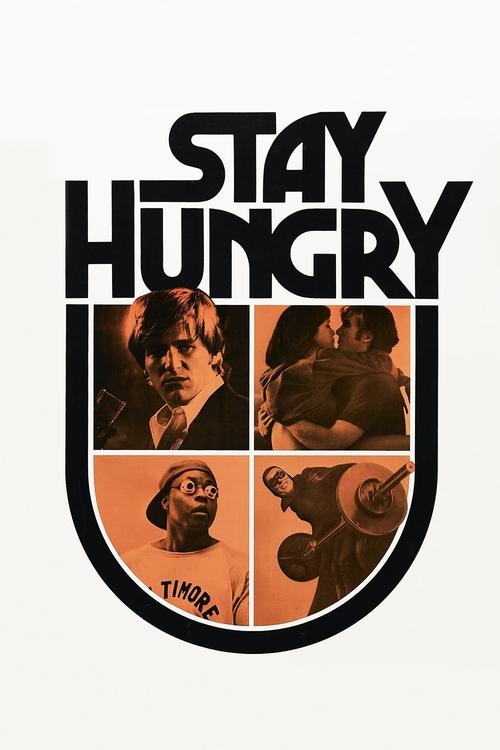
Stay Hungry reimagines the American Dream by shifting the focus from material wealth to a communal search for basic needs. It highlights transient, underrepresented individuals who exist outside formal systems. The film's strength lies in its rich cultural mix, using immigrant identities to shape the social narrative. By presenting characters who defy legal norms as relatable, it challenges simple moral views. However, the film is limited by the social realism of its time, lacking specific LGBTQ+ stories or detailed portrayals of physical or neurodivergent disabilities.
Category Breakdown
The film does not include explicit stories or character development focused on LGBTQ+ individuals. It follows traditional character types without questioning the assumption that everyone is straight or cisgender.
Gender roles are challenged by emphasizing family-like bonds over strict gender hierarchies. The story centers on group survival rather than traditional male leadership.
The film features a variety of Italian, Greek, and Jewish identities living in the city. This focus on the economic struggles of immigrants shifts the perspective away from a homogeneous Anglo-Saxon viewpoint.
The film provides a thoughtful look at the impact of capitalism and the commercialization of basic needs. It promotes a 'chosen family' model that questions traditional Western social and moral norms.
There are few specific representations of physical or neurodivergent conditions. The film examines the social challenges of poverty and isolation rather than clinical disabilities.
Present on Screen
Limited or Absent
Official Synopsis
A dishonest businessman asks rich layabout Craig Blake to help him buy a gym, which will be demolished for a development project in Alabama. But after spending time with weightlifter Joe Santo and gym worker Mary Tate Farnsworth, Craig wants out of the deal. The property negotiations turn ugly, causing a brawl at the gym and a spectacle at a big bodybuilding meet, as Craig learns that it's not easy to turn your back on fair-weather friends.
1971
1992
1981
1969
1970
1982

1980

1974
No reviews yet. Be the first to share your thoughts on this movie!
Use the rating form above to leave a star rating and optional review.