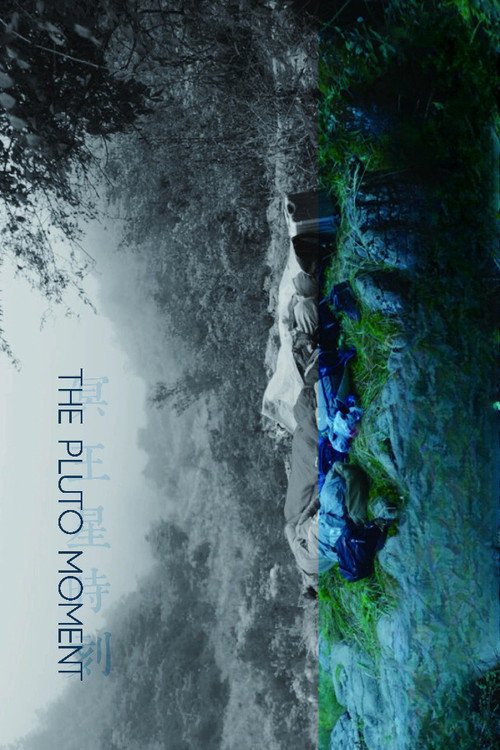
The Pluto Moment
2018
No user ratings available yet
Representation score: 8.0 out of 10

Representation Score
Excellent
2021
Director
Queena Li
Runtime
111 minutes
Average Rating
No ratings yetNew Showbiz Analysis
Bipolar is a character-driven drama that uses a surrealist, journey-based framework to explore internal psychological landscapes. The film transitions from an external pilgrimage to a journey of internal discovery, driven by the protagonist's decision to free a magical lobster. The narrative structure emphasizes individual ability to act and questions traditional communal and religious norms. This focus on personal morality over social hierarchy provides a progressive foundation for the story. However, the film's diversity profile is limited by a lack of specific information regarding multi-layered identities. While the setting and themes suggest depth, the absence of confirmed casting details prevents a higher overall score.
Category Breakdown
The story centers around a solo female protagonist, highlighting her independence. There is no clear indication of LGBTQ+ characters or identities that challenge the assumption that everyone is straight or cisgender.
The female protagonist drives the plot with significant personal ability to act and autonomy. She actively disrupts communal religious practices, which contrasts with traditional expectations of female passivity.
Set in Lhasa and featuring a journey across half of China, the film suggests a diverse cultural landscape. While regional identities are implied, specific casting details for the various characters encountered remain unconfirmed.
The film critiques traditional religious structures by having the protagonist remove a sacred object for her own moral reasons. It prioritizes internal, subjective truth over established communal dogma.
The title and mentions of hallucinations suggest an engagement with neurodivergence or mental health issues. It remains unclear if these elements provide character's ability to drive the story or serve as mere stylistic devices.
Present on Screen
Limited or Absent
Official Synopsis
A young lady comes to Lhasa alone for pilgrimage, but a "multicolored magical lobster" enshrined by other people has totally changed her plan. She made a decision to take the lobster home to the ocean, and this set her and the lobster on the journey cross half of China. During her journey, she comes cross many interesting characters and experiences. At the same time, memories, dreams, and hallucinations emerged intermittently. The journey to set the lobster free came to an end in an unexpected way. She finally reached the most secret place in her heart.
2018

2016

2016
2018

2017

2014

2015

2008
No reviews yet. Be the first to share your thoughts on this movie!
Use the rating form above to leave a star rating and optional review.