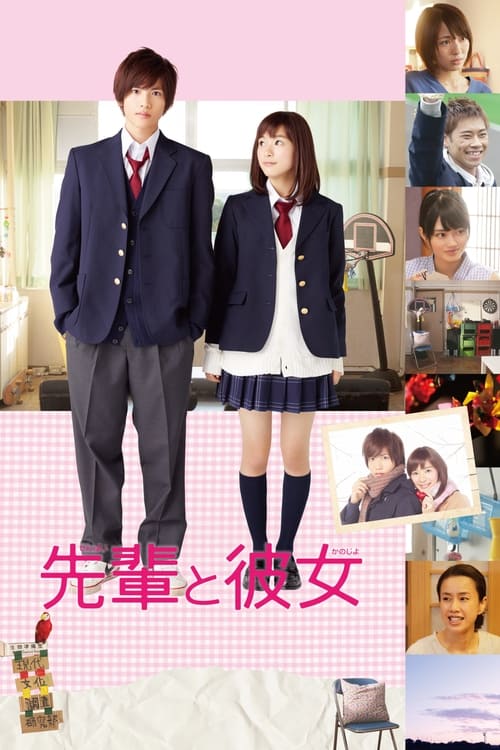
His Girlfriend
2015
No user ratings available yet
Representation score: 4.1 out of 10
Representation Score
Fair
2015
Director
Ryuichi Hiroki
Runtime
115 minutes
Average Rating
No ratings yetNew Showbiz Analysis
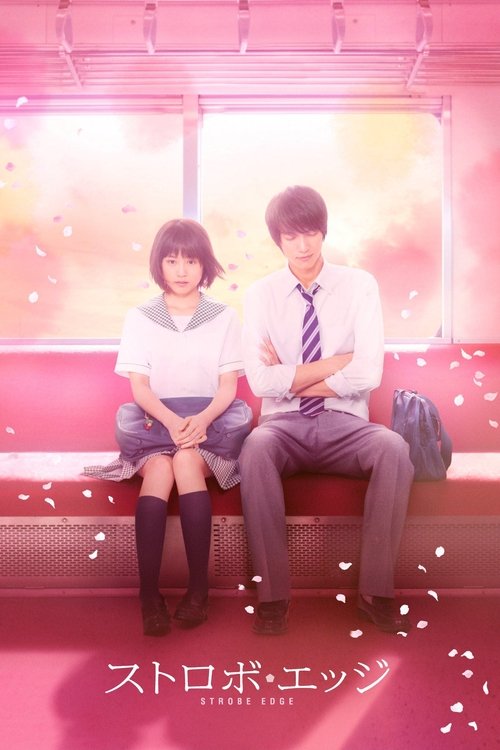
Strobe Edge excels in providing psychological depth to its characters, especially through its nuanced handling of same-sex attraction and female autonomy. By focusing on the emotional lives of its female protagonists, the film avoids the superficial clichés often found in the shoujo genre. However, the film's impact is limited by its intense cultural homogeneity. The focus remains strictly on a localized Japanese social structure, which lacks racial or ethnic diversity. This narrow scope prevents the film from engaging with broader systemic or diverse social dynamics.
Category Breakdown
The film explores same-sex attraction through Nijimi's feelings for Yo, adding depth to the high school setting. This portrayal goes beyond including someone from a minority group without giving them real depth, addressing internal struggles and social nuances.
Female characters play a significant role in driving the narrative tension and possess substantial emotional autonomy. The dialogue emphasizes their internal lives, allowing them to navigate complex social hierarchies without reinforcing submissive stereotypes.
The cast is predominantly homogeneous, reflecting a specific contemporary Japanese high school environment. The film prioritizes localized cultural specificity over ethnic diversity or representation of multiple racial backgrounds.
The story unfolds within a secular, modern Japanese context centered on adolescent emotions. It avoids religious morality, focusing instead on the emotional development of its characters within a stable social order.
There are no prominent depictions of visible or invisible disabilities in the narrative. No meaningful representation of characters with disabilities is present in this category.
Present on Screen
Limited or Absent
Official Synopsis
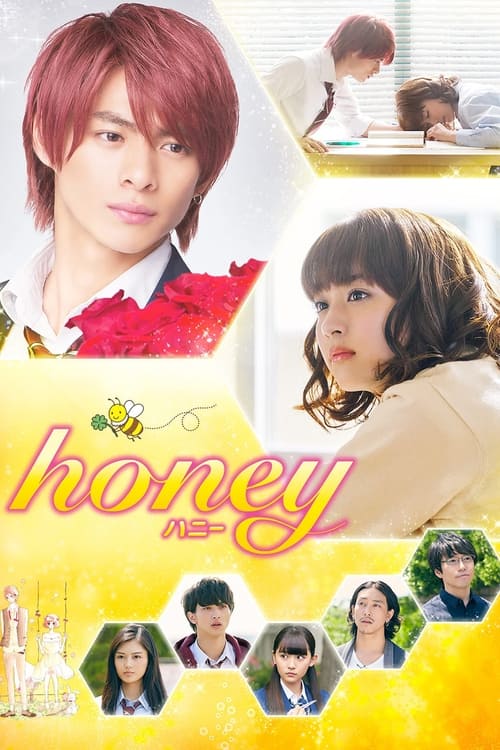
Ninako Kinoshita has never been in love until an encounter with the school's most popular boy, Ren Ichinose, leads the two to befriending each other. Ren's patient and kind personality is a far cry from his unapproachable idol status at school, and soon Ninako falls in love with him. However, she must cope with the fact that he already has a long-time girlfriend.
2015
2010

2014

2009
2020

2006
2018

2007
No reviews yet. Be the first to share your thoughts on this movie!
Use the rating form above to leave a star rating and optional review.