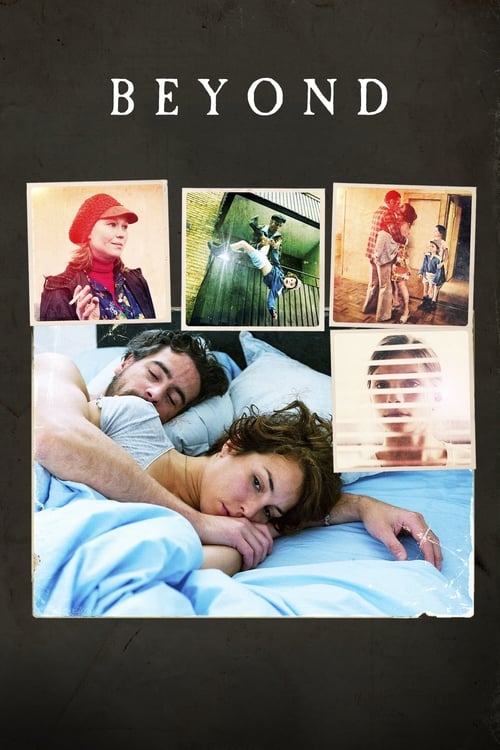
Beyond
2010
No user ratings available yet
Representation score: 4.5 out of 10

Representation Score
Limited
2013
Director
Rune Denstad Langlo
Runtime
90 minutes
Average Rating
No ratings yetNew Showbiz Analysis
Chasing the Wind is a character-driven drama that prioritizes psychological realism over systemic critique. It functions as a conventional study of familial duty and personal evolution within a domestic setting. The film centers a female protagonist, using Anna's journey to drive the narrative. However, the production remains rooted in a very traditional and homogeneous social framework. Ultimately, the film lacks the complexity or diverse casting required to move beyond a standard domestic realism. It focuses on internal family dynamics rather than broader social representation.
Category Breakdown
The film lacks explicit LGBTQ+ characters or narratives. The story focuses on traditional familial reconciliation, suggesting a conventional approach to romantic and sexual identities.
Anna serves as the central driver of the plot, acting as the primary emotional and logistical decision-maker. This placement disrupts traditional hierarchies by giving a woman control over the family's legacy.
Set within a localized Norwegian context, the film appears to reflect a homogeneous social environment. There is no indication of significant ethnic blending or diverse casting within the primary arcs.
The narrative explores the tension between individual autonomy and nuclear family obligations. It suggests a movement away from rigid traditionalism toward a more subjective, individualized morality.
While the plot involves caring for an elderly grandfather, it is unclear if this addresses disability with ability to act. The themes of aging and physical decline remain under-examined.
Present on Screen
Limited or Absent
Official Synopsis
Anna hasn’t seen her family for a decade. When her grandmother dies, she returns home to take care of her grandfather. In the week leading up to the funeral, nothing goes as expected, and Anna is forced to reconsider how she lives her life.
2010

2017

2018
2014
2003
2018

2015
2014
No reviews yet. Be the first to share your thoughts on this movie!
Use the rating form above to leave a star rating and optional review.