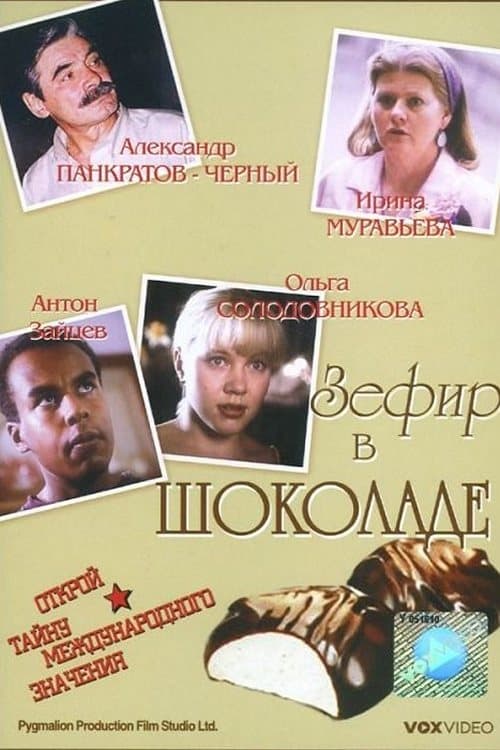
Marshmallow in Chocolate
1993
No user ratings available yet
Diversity score: 6.1 out of 10

2018
Director
Balázs Lengyel
Runtime
90 minutes
Average Rating
No ratings yetSynopsis
In 1957 the Soviet Union decides to give Hungary the chance to choose the world's first cosmonaut, who can be the very first person in space. It seems like the best candidate is Lajkó, the gypsy spraying pilot.
Overall Score
Good
Category Breakdown
LGBTQ+ Representation
The film's surrealist tone allows for a fluidity of identity that departs from rigid heteronormative structures. However, it lacks explicit depictions of same-sex intimacy or non-cisnormative identities.
Gender Representation
The narrative disrupts traditional hierarchies by centering a marginalized male figure in a role typically reserved for state-sanctioned heroes. This subverts conventional masculine leadership and institutional competence.
Racial & Ethnic Diversity
The film provides exceptional representation by centering a Romani protagonist in the high-stakes Space Race. This placement actively deconstructs the racial hierarchies of the mid-20th century.
Religious & Cultural Diversity
The story critiques Soviet-era institutional power through absurdity and comedy. It portrays state-run institutions as farcical, favoring individualistic morality over collective ideological conformity.
Disability Representation
There is no specific evidence regarding the portrayal of physical or neurodivergent disabilities within the film.
Strengths
Areas for Improvement
AI Analysis
Lajkó: Gypsy in Space is a significant work of narrative subversion that uses sci-fi comedy to challenge the historical monopoly of dominant ethnic groups over scientific progress. By placing a Romani character at the center of cosmic exploration, the film disrupts expectations of historical agency. The film excels in ethnic representation, using the protagonist to critique the systemic exclusion found in mid-20th-century technological achievements. It effectively uses a marginalized outsider to dismantle the archetype of the state-sanctioned hero. While the film offers a sophisticated critique of institutional frameworks, it remains limited in its explicit depiction of LGBTQ+ identities and disability. The focus remains primarily on ethnic and institutional subversion.
1993

1997

2024

2017

2010

1992

2002

1950

1997
2016

1983

2019
No reviews yet. Be the first to share your thoughts on this movie!
Use the rating form above to leave a star rating and optional review.