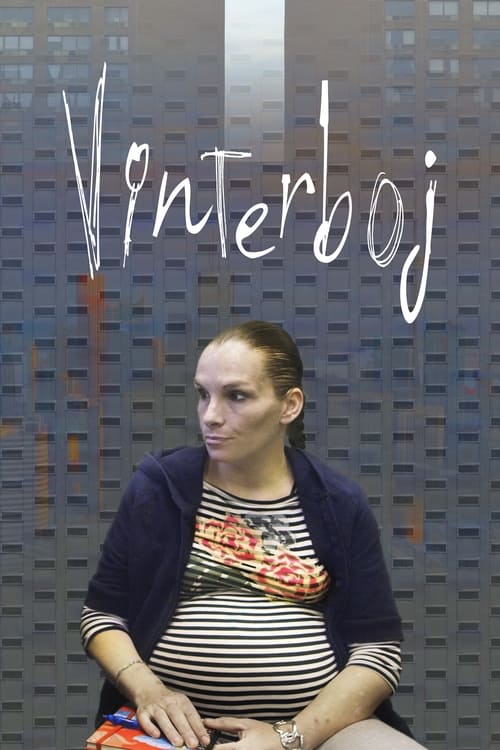
Winter Buoy
2015
No user ratings available yet
Representation score: 6.0 out of 10
Representation Score
Excellent
1968
13+Director
Anne-Claire Poirier
Runtime
76 minutes
Average Rating
No ratings yetNew Showbiz Analysis
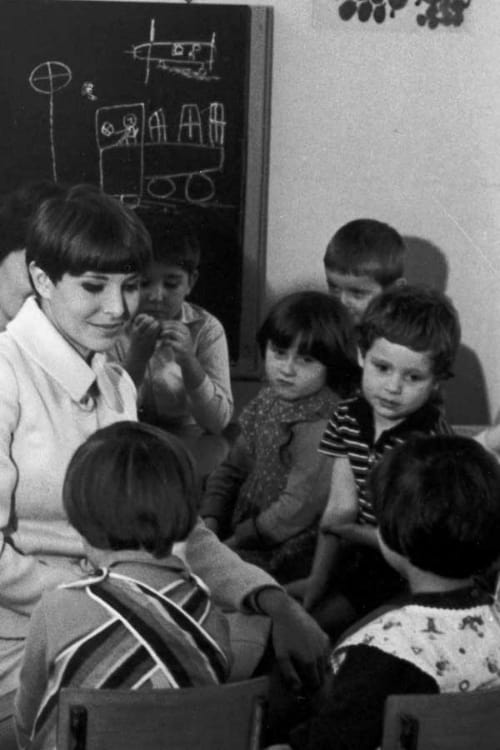
Anne-Claire Poirier utilizes a documentary-drama hybrid to interrogate domesticity and gender roles. By centering the female experience, the film challenges the cliché of the idealized mother and subverts traditional mid-century social hierarchies. The narrative structure prioritizes female autonomy, focusing on the physical and emotional toll of pregnancy and the struggle to maintain a social and professional life. This approach offers a progressive critique of social institutions. While the film excels in gender-focused subjectivity, it remains limited by the demographic context of 1968 Quebec. It lacks explicit representation of LGBTQ+ identities or multi-ethnic casting, reflecting the era's social boundaries.
Category Breakdown
The film focuses on a heterosexual experience of pregnancy and motherhood. It lacks specific non-cisgender characterizations, though its focus on female emotional landscapes offers a departure from the era's typical male-centric gaze.
This work disrupts cinematic hierarchies by centering female physiological and psychological experiences. It prioritizes women's ability to drive the story by documenting the visceral realities of childbirth and the struggle to balance motherhood with professional life.
Reflecting the demographic realities of 1968 Quebec, the film lacks explicit evidence of multi-ethnic or multi-layered casting. It appears to represent the standard social context of its time and location.
The narrative critiques the capitalist demand for female productivity and the rigid structures of the nuclear family. It moves toward a realistic, subjective understanding of womanhood rather than a romanticized or religious ideal.
The film provides a nuanced look at medical intervention through the depiction of a Caesarean section. It treats the medicalized body with ability to act, documenting physical vulnerability and medical reality.
Present on Screen
Limited or Absent
Official Synopsis
Documents a woman's actual pregnancy; the emotions, the affects on her husband and first-born child, the birth itself via Caesarean section, and her struggle to return to work and a social life, while still being a good mother.
2015
2023
2013

2011
2015

1958

1975

2006
No reviews yet. Be the first to share your thoughts on this movie!
Use the rating form above to leave a star rating and optional review.