
1001 Nights
1990
No user ratings available yet
Representation score: 4.4 out of 10

Representation Score
Limited
1972
Director
Nuri Ergün
Runtime
84 minutes
Average Rating
No ratings yetNew Showbiz Analysis
Nuri Ergün’s adaptation of the classic Ali Baba myth focuses on preserving regional folklore. It successfully offers a non-Western perspective by using cultural roots and casting that deviates from Hollywood standards. However, the film stays within traditional structures. It doesn’t explore complex intersections or challenge traditional social norms and gender roles found in the original folk tale. Overall, the production is a culturally significant regional piece that emphasizes heritage over contemporary identity-driven themes or critiques of societal systems.
Category Breakdown
The film sticks to traditional character types found in classic folk tales and doesn't include any queer narratives or characters with diverse gender identities.
Power is mainly centered around male characters within a system that favors men. Female characters have some influence but follow typical gender roles expected during the time period.
As a Turkish production of a Middle Eastern legend, the film casts actors from non-Western backgrounds, providing a break from Eurocentric casting norms in Western films.
The film keeps the local folklore intact and offers a viewpoint rooted in its culture. It relies on traditional morality rather than modern ethical frameworks.
There is no noticeable portrayal of physical or neurological disabilities in this adaptation.
Present on Screen
Limited or Absent
Official Synopsis
The Classical story of Ali Baba and the Forty Thieves, starring Sadri Alışık as Ali Baba.
1990
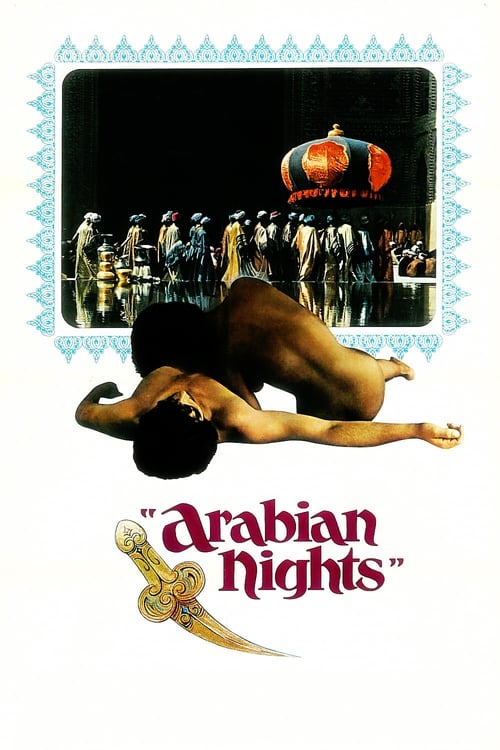
1974
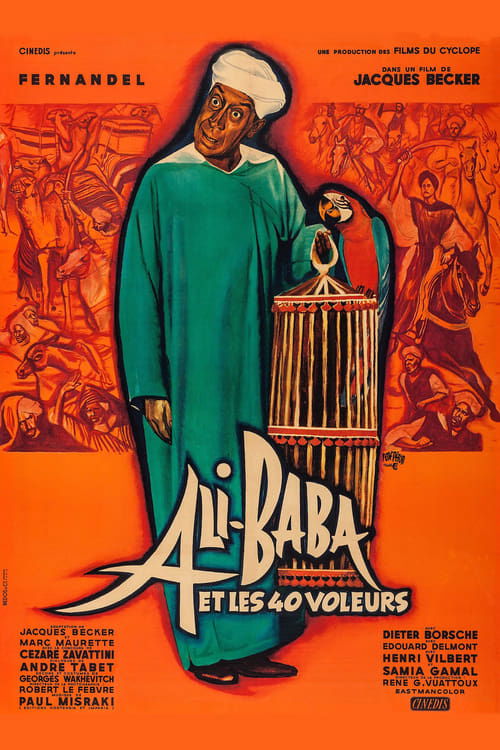
1954
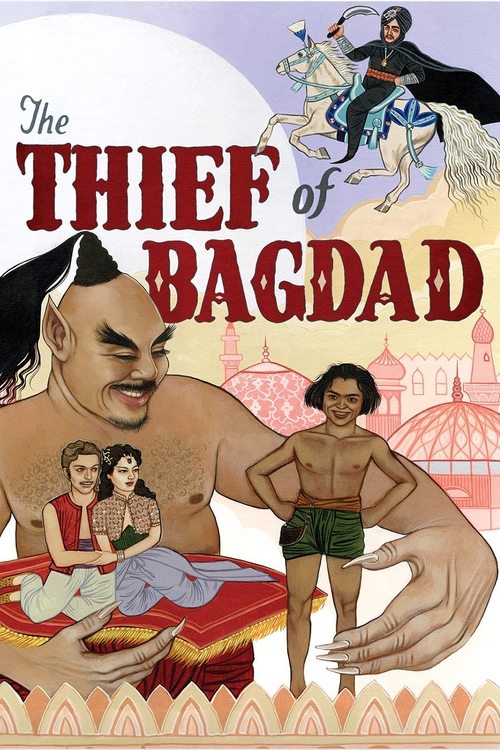
1940
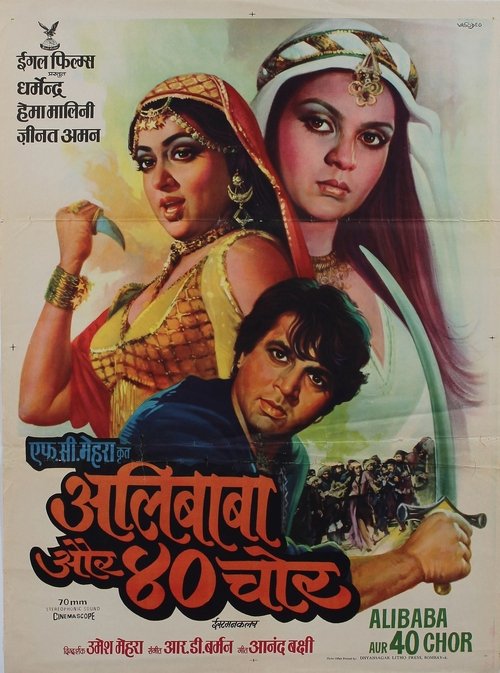
1980

2015
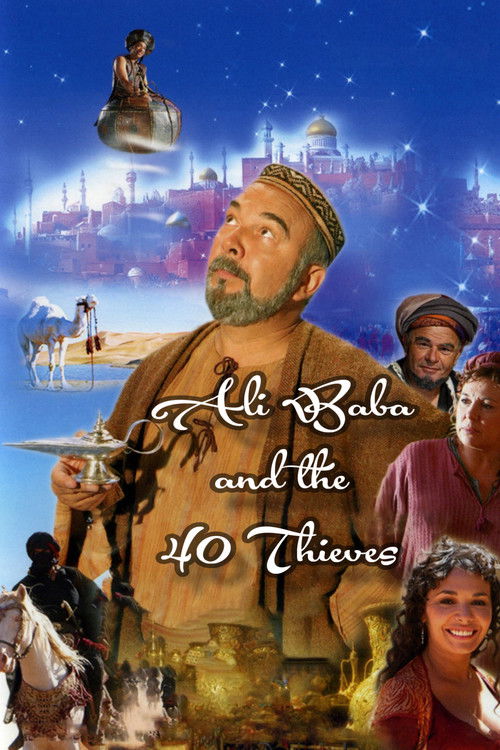
2007
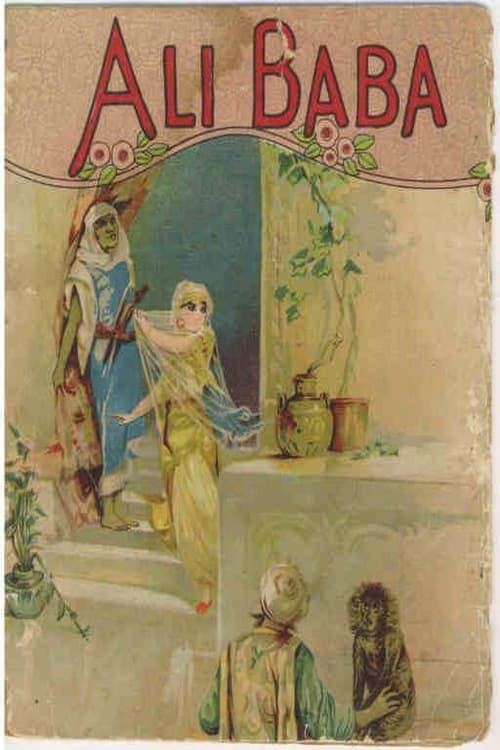
1902
No reviews yet. Be the first to share your thoughts on this movie!
Use the rating form above to leave a star rating and optional review.