
Slam Dunk: The Movie
1994
No user ratings available yet
Representation score: 1.0 out of 10
Representation Score
Minimal
1994
Director
Toshihiko Arisako
Runtime
44 minutes
Average Rating
No ratings yetNew Showbiz Analysis
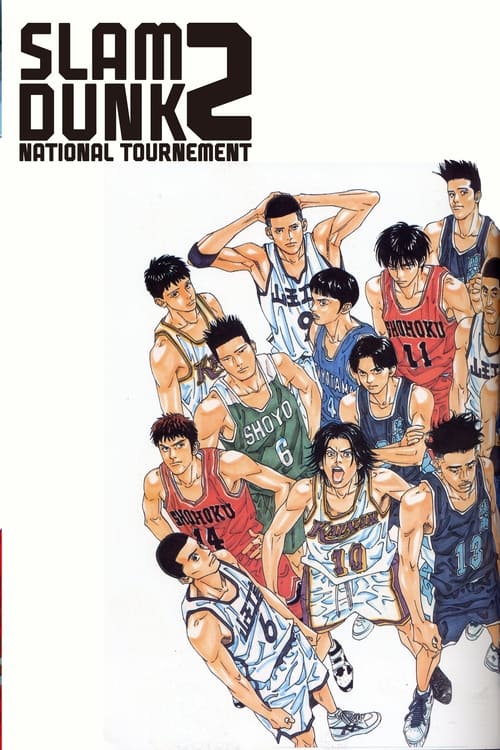
Slam Dunk 2: National Tournament is a highly traditional work that prioritizes established genre clichés and demographic homogeneity. The narrative is centered on a masculine athletic framework that emphasizes male competition and physical prowess. Representation is limited by the film's focus on a singular, localized Japanese context. This results in a lack of racial, ethnic, or LGBTQ+ diversity, as the story adheres to the conventional social hierarchies of the 1990s shonen medium. While the film effectively conveys themes of perseverance and sportsmanship, it does so within a narrow social lens. It reinforces existing gender roles and cultural structures rather than challenging them.
Category Breakdown
The film operates within a strictly heterosexual framework. Character motivations, especially Sakuragi's, revolve around traditional romantic interests in female characters.
Leadership and ability to act are concentrated within a male-dominated athletic environment. Female characters like Haruko serve mainly as spectators or catalysts for male development.
The cast is ethnically uniform, reflecting a localized Japanese high school setting. There is no evidence of diverse racial identities or color-blind casting.
The narrative upholds traditional values of meritocracy, discipline, and teamwork. It adheres to established social orders rather than challenging institutional norms.
The characters are portrayed as able-bodied athletes. The plot does not address themes of physical or neurodivergent disabilities.
Present on Screen
Limited or Absent
Official Synopsis
Set during the Inter High Championships, Shohoku take on Tsukubu, one of this year's dark horses. It's a clash of acquaintances as Anzai will face his former student which is now the coach of Tsukubu, while Akagi & Kogure meet Godai their former classmate and Tsukubu's captain. Finally Sakuragi is irked by the presence of Nango, Tsukubu's center, who vies for Haruko's attention.
1994
2017

1995
2022
1995

2016

2016

2016
No reviews yet. Be the first to share your thoughts on this movie!
Use the rating form above to leave a star rating and optional review.