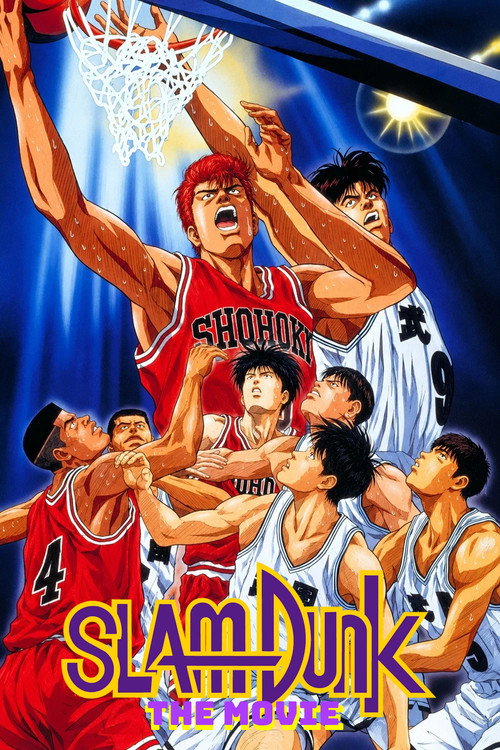
Slam Dunk: The Movie
1994
No user ratings available yet
Representation score: 1.0 out of 10
Representation Score
Fair
1995
Director
Masayuki Akehi
Runtime
40 minutes
Average Rating
No ratings yetNew Showbiz Analysis
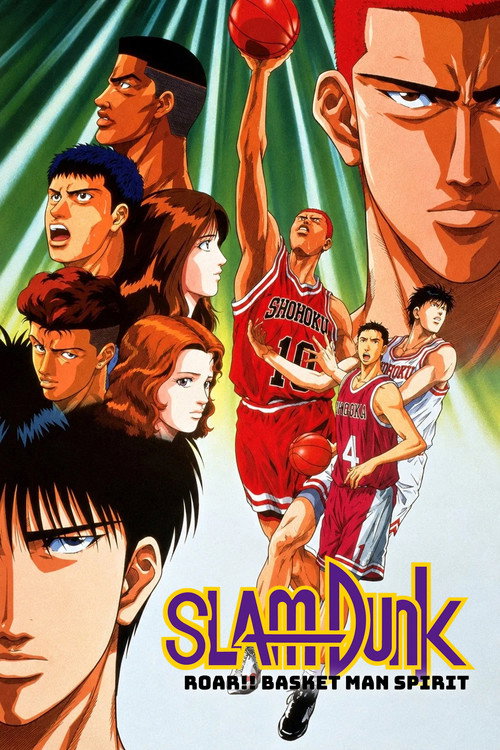
Slam Dunk 4: Roar!! Basket Man Spirit is a traditional sports drama that prioritizes individual perseverance over social complexity. It excels in its empathetic portrayal of physical adversity, giving a central role to a character navigating a debilitating leg condition. However, the film remains limited by the genre conventions of its time. It lacks visibility for LGBTQ+ identities and maintains a narrow focus on masculine pursuits, leaving little room for gender or racial diversity. Ultimately, the film is a character study that finds its strength in the internal struggle of the athlete, even as it adheres to conventional social structures.
Category Breakdown
The film does not explicitly depict LGBTQ+ identities or dynamics that challenge the assumption that everyone is straight or cisgender. The story centers on athletic competition and male camaraderie without using derogatory stereotypes.
The narrative focuses primarily on male characters, who play a significant role in driving the story. Female characters are secondary figures and do not drive the main plot.
The film is set in a culturally homogeneous Japanese context, with the cast being predominantly ethnically Japanese. There is no indication of multicultural casting in this installment.
The story emphasizes individual willpower and the spirit of competition, reinforcing traditional values of discipline and respect for physical limits.
The film offers a meaningful portrayal of disability through Ichiro Mizusawa, whose leg condition drives the protagonist's motivations rather than serving as a mere tragic device.
Present on Screen
Limited or Absent
Official Synopsis
Ichiro Mizusawa, a player from Rukawa's old junior high school, Tomigoaka, is diagnosed with a crippling leg condition and wants to play one last game with Rukawa. Hanamichi sets out to help the boy and fulfill his wish.
1994

2017
1994

2022
1995
2015

2017

2016
No reviews yet. Be the first to share your thoughts on this movie!
Use the rating form above to leave a star rating and optional review.