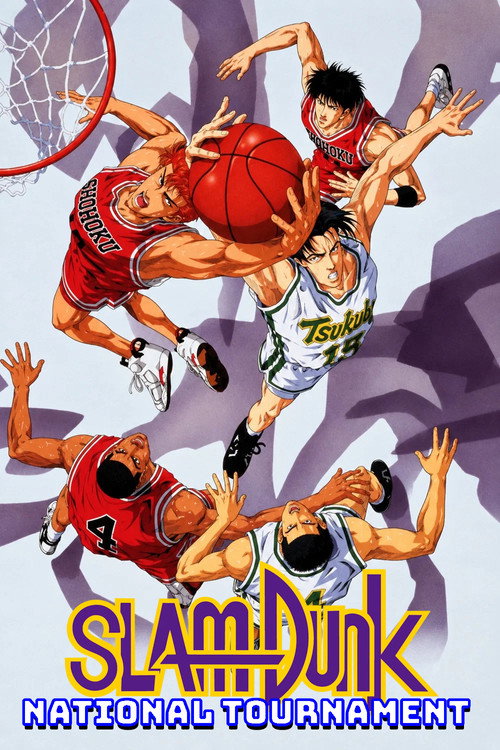
Slam Dunk 2: National Tournement
1994
No user ratings available yet
Representation score: 0.5 out of 10
Representation Score
Minimal
1994
TV-PGDirector
Nobutaka Nishizawa
Runtime
30 minutes
Average Rating
No ratings yetNew Showbiz Analysis
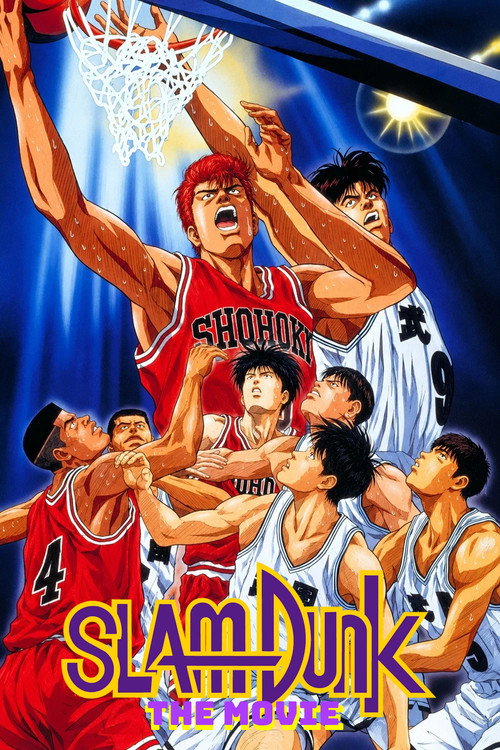
Slam Dunk: The Movie is a traditionalist sports narrative that prioritizes discipline and meritocracy. It operates within a highly structured framework of masculine achievement and institutional respect, reinforcing conventional social hierarchies. The film lacks multi-layered depth, offering no representation for LGBTQ+ identities or individuals with disabilities. Its narrow scope limits its cultural and social breadth, maintaining traditional social structures.
Category Breakdown
The film focuses solely on male-dominated sports competitions and does not include any representation of LGBTQ+ identities or narratives that challenge the assumption that everyone is straight or cisgender.
The story centers on male protagonists and reinforces traditional masculinity. Female characters are limited to peripheral roles as spectators rather than active participants.
The cast is culturally homogeneous, reflecting a specific Japanese high school setting. It does not include characters from diverse ethnic backgrounds.
The narrative celebrates institutional stability and meritocracy. It emphasizes respect for authority, discipline, and the pursuit of excellence within organized sports.
The characters are portrayed exclusively as able-bodied athletes. There is no representation of physical impairment or neurodivergence within the story.
Present on Screen
Limited or Absent
Official Synopsis
Sakuragi and the Shohoko team takes on Oda and Takezono High School. This is Sakuragi's second match as he faces Oda, a basketball player who went to the same junior high.
1994

2017
1995

2022
1995

2015

2016

2016
No reviews yet. Be the first to share your thoughts on this movie!
Use the rating form above to leave a star rating and optional review.