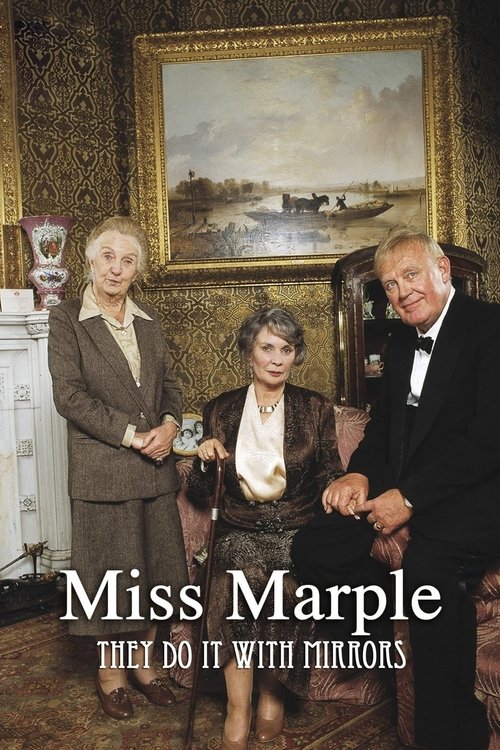
Miss Marple: They Do It with Mirrors
1991
No user ratings available yet
Diversity score: 2.4 out of 10
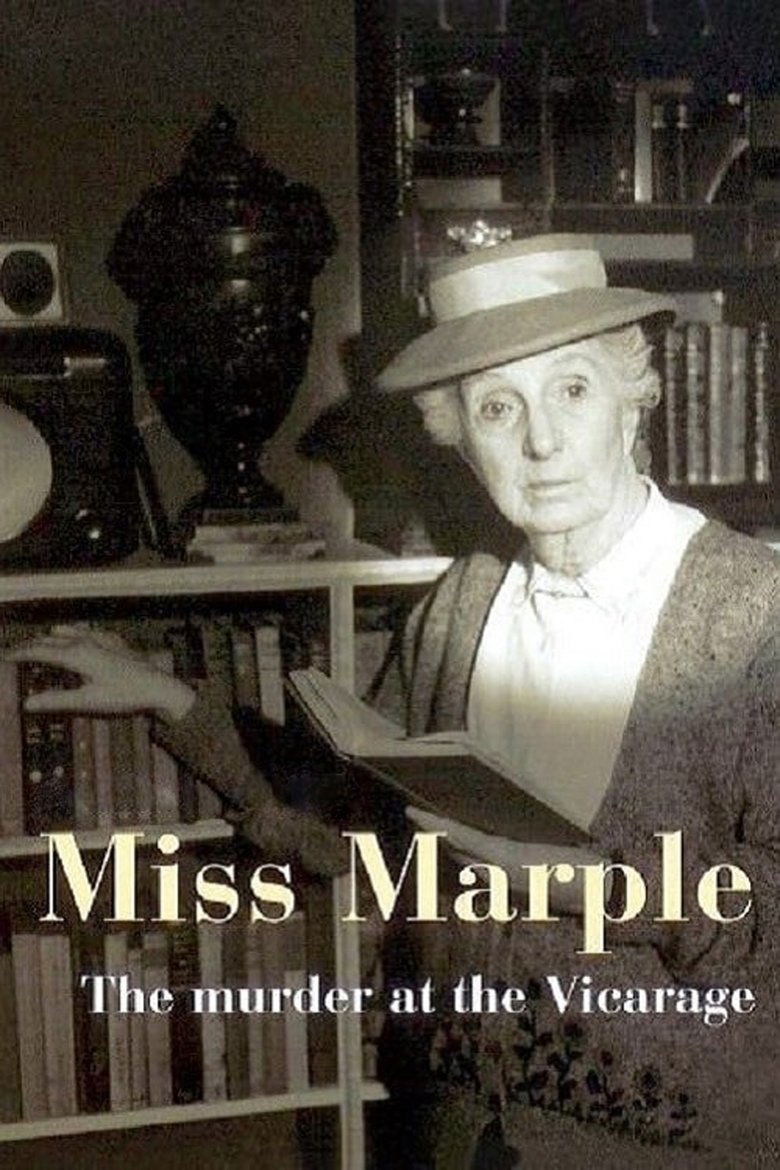
1986
Director
Julian Amyes
Runtime
102 minutes
Average Rating
No ratings yetSynopsis
Faced with two false confessions and numerous suspects after a despised civil magistrate is found shot in the local vicarage, Detective Inspector Slack reluctantly accepts help from Miss Marple.
Overall Score
Limited
Category Breakdown
LGBTQ+ Representation
The film lacks any explicit depiction of non-heteronormative identities or same-sex intimacy. The setting remains centered on traditional domesticity and heteronormative social expectations.
Gender Representation
Miss Marple subverts traditional hierarchies by using her perceived passivity to exercise significant agency. She demonstrates superior intellect compared to the male-led formal authorities.
Racial & Ethnic Diversity
The cast is predominantly homogeneous, reflecting the historical context of a mid-20th-century English village. The community lacks significant racial blending or diverse ethnic backgrounds.
Religious & Cultural Diversity
The narrative is deeply embedded in Western institutions like the Anglican Church. It reinforces social order and the class system rather than critiquing them.
Disability Representation
There is no significant focus on visible or invisible disabilities. Characters are defined by social standing and professional roles rather than physical or mental impairments.
Strengths
Areas for Improvement
AI Analysis
This adaptation functions as a period-accurate reconstruction of a traditional social order. Its primary progressive element lies in its gender dynamics, where the protagonist's intellectual agency challenges the competence of the established male hierarchy. However, the film adheres strictly to the social constraints of its mid-century setting. The lack of intersectional diversity and the heavy reliance on traditional Western institutional norms result in a conservative narrative architecture. While the mystery explores the deceptive nature of appearances, it does so within a framework that upholds established religious and class structures.
1991

1971
1987
1986
1991

2020
No reviews yet. Be the first to share your thoughts on this movie!
Use the rating form above to leave a star rating and optional review.