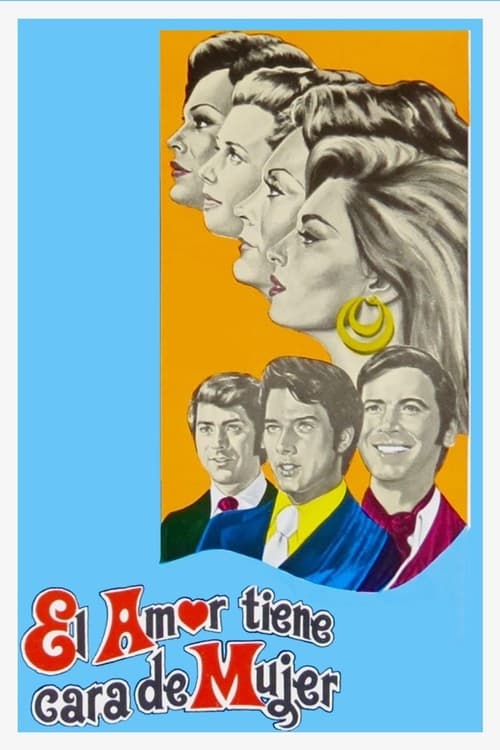
El amor tiene cara de mujer
1973
No user ratings available yet
Representation score: 5.4 out of 10

Representation Score
Fair
1960
Director
Julio Bracho
Runtime
95 minutes
Average Rating
No ratings yetNew Showbiz Analysis
Julio Bracho’s ensemble drama centers on the lived experiences of women working in a cabaret. The episodic structure allows for a collective exploration of underrepresented social positions rather than a single hero's journey. The film challenges traditional melodrama clichés by focusing on female autonomy and the complexities of urban life. However, the lack of explicit character details regarding LGBTQ+ identities or disability representation limits the depth of its inclusivity. The film's strength lies in its cultural and gendered perspectives rather than specific identity-based arcs.
Category Breakdown
The nightlife atmosphere in the cabaret setting suggests a departure from traditional social norms. While specific LGBTQ+ identities aren't confirmed, the setting implies a more open social environment.
The film focuses on women's ability to drive the story and navigate economic and social autonomy. It shifts the focus away from traditional patriarchal structures to highlight women's roles in professionalized social environments.
As a Mexican production, the film operates outside Anglo-Saxon cinematic conventions. The urban setting likely reflects a diverse demographic typical of the genre during that time.
The narrative challenges conservative views on virtue by presenting the lives of cabaret workers. It avoids strict moral condemnation and instead critiques socio-economic systems.
There is no evidence regarding the portrayal of physical or neurodivergent disabilities in the narrative.
Present on Screen
Limited or Absent
Official Synopsis
The days go by dizzyingly for the girls who work at the cabaret ´El Paraíso´. However, on New Year's Eve, in the heat of the glasses and cigarette smoke, they narrate their hapless destinies
1973

1961
1962

1956
1954
1974
1971
1948
No reviews yet. Be the first to share your thoughts on this movie!
Use the rating form above to leave a star rating and optional review.