
Striptease
1976
No user ratings available yet
Representation score: 6.4 out of 10
Representation Score
Good
1970
Director
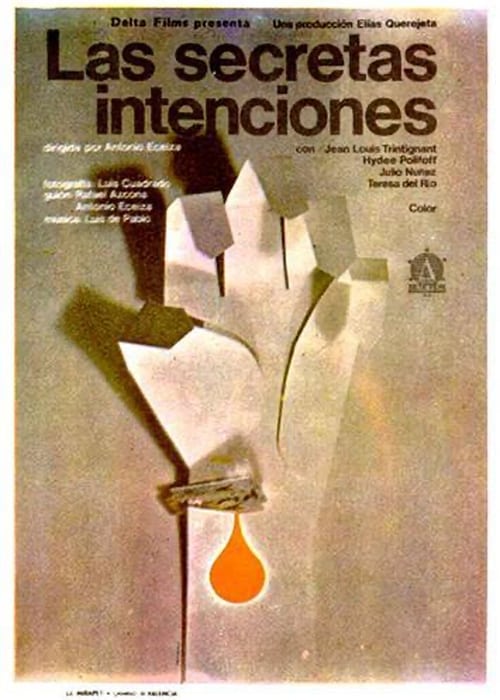
Antxón Eceiza
Runtime
82 minutes
Average Rating
No ratings yetNew Showbiz Analysis
Antxón Eceiza’s drama functions as a psychological deconstruction of social norms. It moves away from mainstream commercial formulas to focus on existentialist inquiry and the fragmentation of the domestic sphere. The film achieves moderate progressive value by challenging the sanctity of the traditional family unit. However, it remains limited by a lack of demographic breadth, particularly regarding race and LGBTQ+ representation. Ultimately, the work prioritizes non-conformist psychological states over moralizing, making it a study of emptiness and obsession rather than a diverse social tapestry.
Category Breakdown
The film centers on a heterosexual relationship between Miguel and Blanca. There is no evidence of LGBTQ+ identities or the subversion of the assumption that everyone is straight or cisgender through queer characters.
Blanca drives the emotional weight through her psychological role and rejection of social norms. Miguel avoids the archetype of a stable patriarchal leader, appearing instead caught in existential emptiness.
The narrative focuses on a homogeneous social group within its 1970 Spanish context. There is no evidence of multi-layered racial diversity or non-white casts in the primary arcs.
The film adopts a secular, nihilistic lens to critique traditional Western institutions like the nuclear family. It prioritizes subjective morality and existentialism over conventional societal expectations.
Blanca’s struggle with suicidal ideation offers a depiction of mental health challenges. The narrative focuses on her internal psychological state rather than physical disability.
Present on Screen
Limited or Absent
Official Synopsis
Miguel is a married architect with children; Blanca, an attractive young woman who has attempted suicide by cutting her veins. The relationship between them develops through continuous persecutions, first of him to her and then to him. In their meetings, they reflect on their empty lives, loneliness, boredom and obsession with death.
1976
1986

1984
1962
1967
1976

1993
1975
No reviews yet. Be the first to share your thoughts on this movie!
Use the rating form above to leave a star rating and optional review.