Striptease
1976
No user ratings available yet
Representation score: 6.4 out of 10
Representation Score
Good
1975
Director
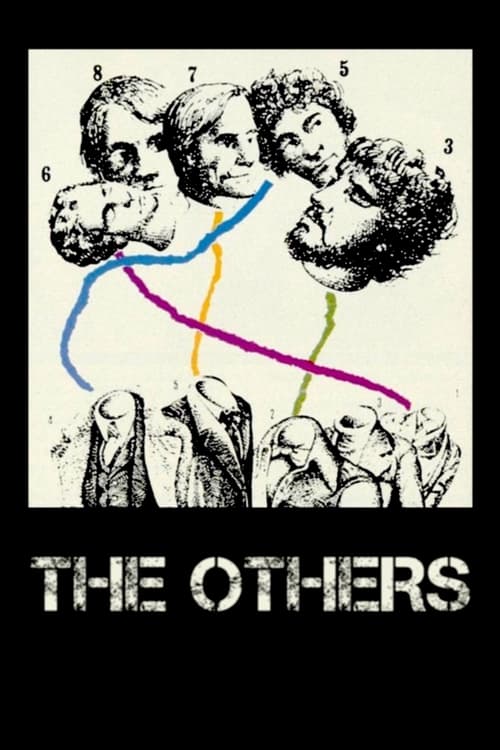
Hugo Santiago
Runtime
127 minutes
Average Rating
No ratings yetNew Showbiz Analysis
Hugo Santiago’s *Les Autres* is a sophisticated exercise in narrative deconstruction. It prioritizes atmospheric disorientation and the instability of memory over traditional linear storytelling, creating a surrealist exploration of urban landscapes. While the film lacks explicit demographic diversity regarding race or LGBTQ+ identities, it achieves a higher score through its cultural subversion. By rejecting a centralized, authoritative reality, it aligns with progressive cinematic movements that favor subjective experience. Ultimately, the work functions as a study of existential disorientation rather than a tool for social representation.
Category Breakdown
The film explores romantic rivalry and desire between Spinoza, his girlfriend, and a male rival. However, it does not explicitly center non-straight identities or critique the assumption that everyone is straight or cisgender.
Gender roles avoid rigid mid-century archetypes by placing characters in a dreamlike, non-linear reality. The narrative de-emphasizes traditional hierarchies of masculine leadership or feminine domesticity.
The setting reflects a homogeneous, bourgeois urban milieu. There is no significant evidence of intentional racial blending or engagement with diverse ethnic norms.
The film excels by embracing postmodernist values and the instability of truth. It disrupts traditional Western storytelling through a fragmented, non-linear narrative structure.
There is no documented evidence of characters with visible or invisible disabilities serving as central agents. The focus remains on psychological states rather than physical or neurodivergent conditions.
Present on Screen
Limited or Absent
Official Synopsis
Spinoza, attempting to discover why his son committed suicide, meets his girlfriend and his rival for her affections.
1976

1997
1976
1986

1963
1987
1984
1970
No reviews yet. Be the first to share your thoughts on this movie!
Use the rating form above to leave a star rating and optional review.