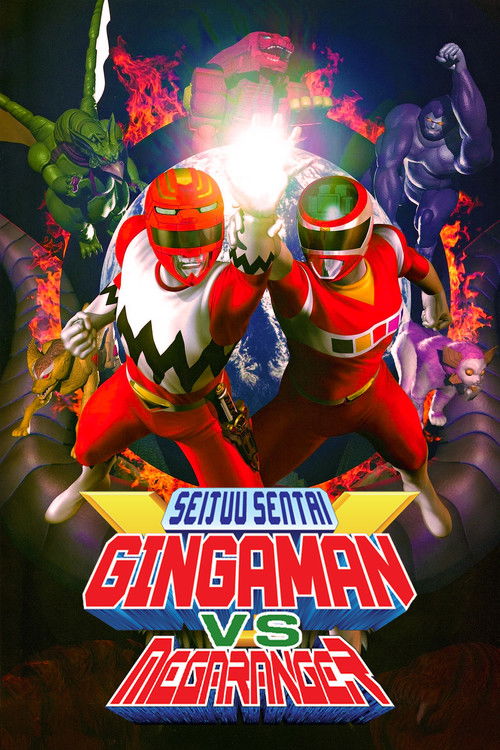
Seijuu Sentai Gingaman vs Megaranger
1999
No user ratings available yet
Representation score: 4.0 out of 10
Representation Score
Limited
1996
Director
Shohei Tôjô
Runtime
45 minutes
Average Rating
No ratings yetNew Showbiz Analysis
This crossover event is designed as a high-action spectacle that reinforces traditional heroism. The story structure relies on well-known genre clichés and established team dynamics, rather than challenging social norms. The film focuses on the conflict between organized teams and supernatural threats like Yokai. While it offers meaningful representation within its specific demographic, it doesn’t engage with complex multi-layered identities or diverse social issues. Ultimately, the production prioritizes formulaic storytelling and domestic mythological themes over disrupting traditional hierarchies or social structures.
Category Breakdown
The film doesn't include any explicit LGBTQ+ characters or stories that challenge traditional heterosexual norms. It follows the typical action-oriented, heterosexual storylines common in mid-1990s genre television.
Women play key roles in the combat teams, contributing to a balanced cast. However, the power dynamics often follow traditional gender roles common in 1990s broadcast media.
The cast is mostly made up of actors from similar backgrounds, reflecting the show’s Japanese origins. The story centers on local heroes facing supernatural threats, without much diversity in casting.
The story emphasizes traditional justice and the protection of societal norms against supernatural chaos. It celebrates the idea of collective responsibility and organized heroism.
There is no mention of characters with visible or invisible disabilities. The characters are portrayed as having the idealized physical abilities needed for superhero combat.
Present on Screen
Limited or Absent
Official Synopsis
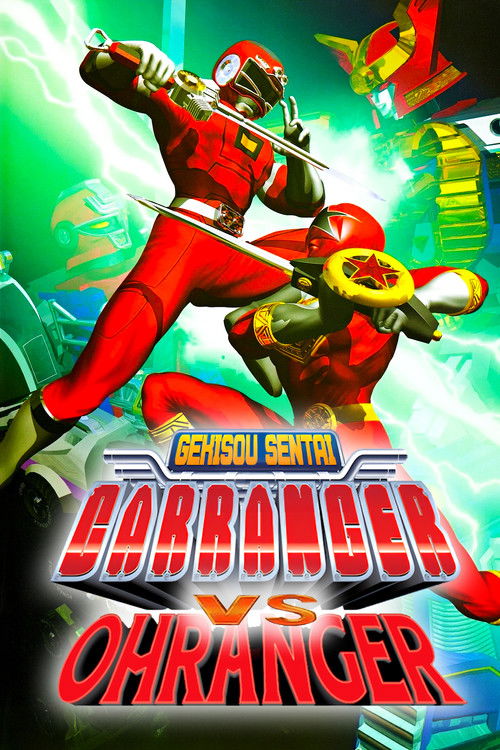
When a battle between Bacchusund and Bulldont to defeat the Ohranger creates a new Yokai, the team calls in some experts to help deal with the supernatural threat!
1999
1986
1998
2004
2006
2008
2003
1997
No reviews yet. Be the first to share your thoughts on this movie!
Use the rating form above to leave a star rating and optional review.