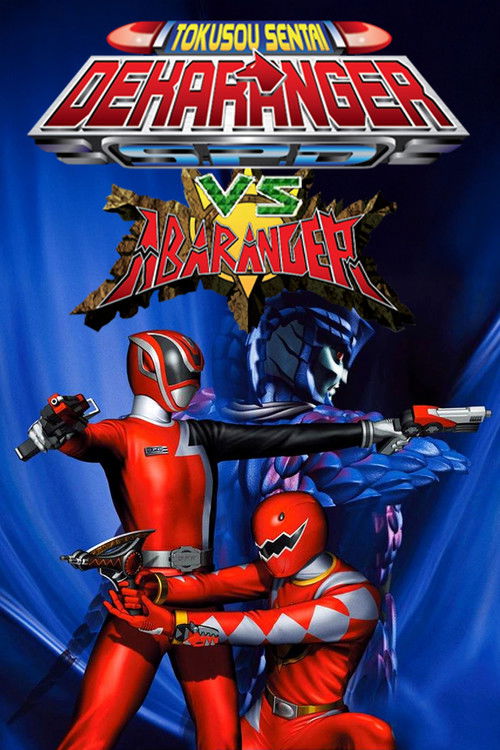
Tokusou Sentai Dekaranger VS Abaranger
2005
No user ratings available yet
Diversity score: 2.4 out of 10
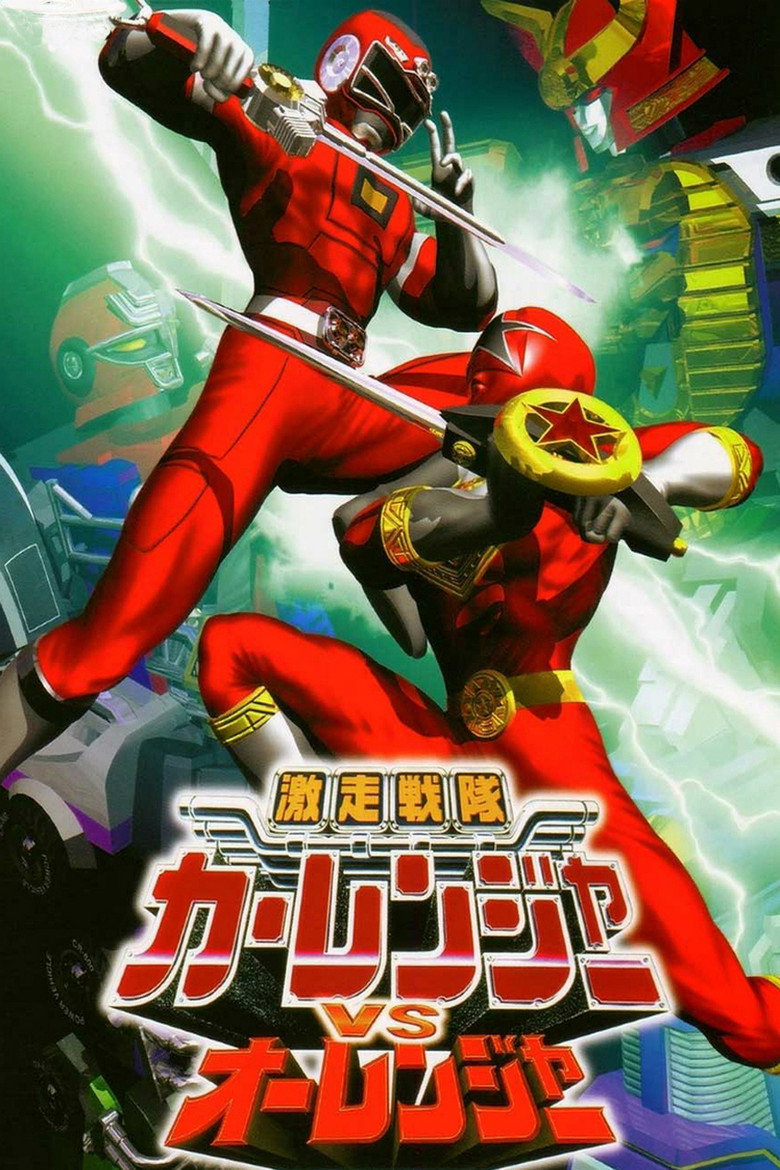
1997
Director
Tarou Sakamoto
Runtime
48 minutes
Average Rating
No ratings yetSynopsis
The team-up between Gekisou Sentai Carranger and Chouriki Sentai Ohranger.
Overall Score
Limited
Category Breakdown
LGBTQ+ Representation
The film lacks LGBTQ+ characters or non-cisnormative identities. Character dynamics focus on heteronormative team structures typical of the era's genre conventions.
Gender Representation
Female members like Pink and Yellow participate actively in combat. However, leadership roles and primary narrative drivers remain predominantly male-centric.
Racial & Ethnic Diversity
The cast reflects a high degree of homogeneity within a Japanese context. There is no evidence of racial blending or diverse casting.
Religious & Cultural Diversity
The narrative emphasizes a binary morality of good versus evil. It reinforces traditional institutions and social stability through police and special forces motifs.
Disability Representation
Characters are portrayed as peak physical specimens optimized for combat. There are no notable depictions of visible or invisible disabilities.
Strengths
Areas for Improvement
AI Analysis
Gekisou Sentai Carranger vs Ohranger is a conventional genre piece that prioritizes established heroic tropes over intersectional representation. The film functions as a standard example of late-90s action-adventure media, adhering to the structural norms of the Tokusatsu genre. The narrative architecture reinforces traditional social hierarchies and cultural homogeneity. By focusing on disciplined, hierarchical team structures, the film maintains a status quo that lacks significant attempts to disrupt conventional societal expectations. Ultimately, the work serves as a reflection of its era, emphasizing collective responsibility and physical perfection while omitting diverse perspectives on identity, disability, or systemic critique.
No reviews yet. Be the first to share your thoughts on this movie!
Use the rating form above to leave a star rating and optional review.