The Clown
1927
No user ratings available yet
Representation score: 0.8 out of 10
Representation Score
Fair
1928
Director
Ernö Metzner
Runtime
21 minutes
Average Rating
No ratings yetNew Showbiz Analysis
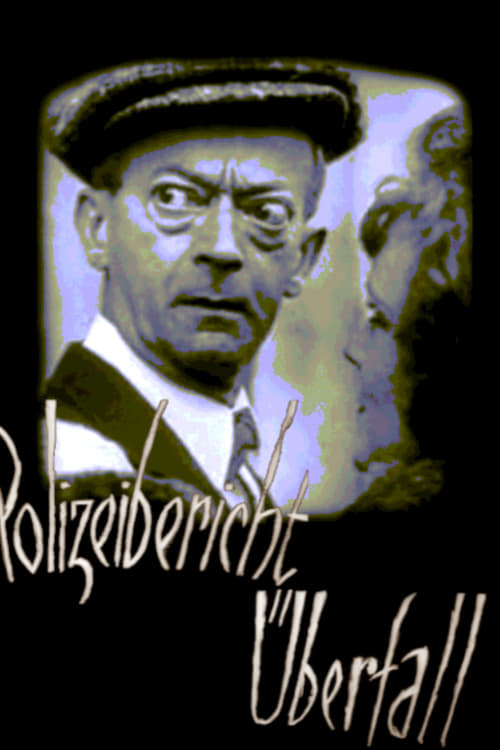
Accident serves as a social realist vignette that prioritizes systemic critique over demographic variety. It functions as a sociological study of the friction between individuals and urban modernity during the Weimar Republic. The film's strength lies in its cultural positioning, using the 'police report' motif to deconstruct state authority. It focuses on the plight of the underrepresented rather than traditional escapist melodrama. However, the work lacks documented evidence of diverse identities. The narrative appears centered on class-based struggle and male experience, leaving little room for broader representation of race, gender, or sexuality.
Category Breakdown
The film does not specifically depict LGBTQ+ characters or intimate relationships. Despite the historical context of the Weimar era, the narrative does not explore queer visibility.
The story focuses on a man's struggle within poverty, suggesting a male-dominated perspective. It does not clearly challenge traditional gender roles.
The setting implies a homogeneous population typical of 1928 Germany. There is no indication of significant racial or ethnic diversity.
The film provides a strong critique of systemic power and state authority. It uses a social realist approach to examine the failures of Western social institutions.
There is no information available regarding the portrayal of physical or neurodivergent disabilities in this work.
Present on Screen
Limited or Absent
Official Synopsis
A tense vignette about the fate of an unlucky man in poverty-stricken Weimar-era Germany.
1927

1977

1931
1939
1957
1928
1952
1924
No reviews yet. Be the first to share your thoughts on this movie!
Use the rating form above to leave a star rating and optional review.