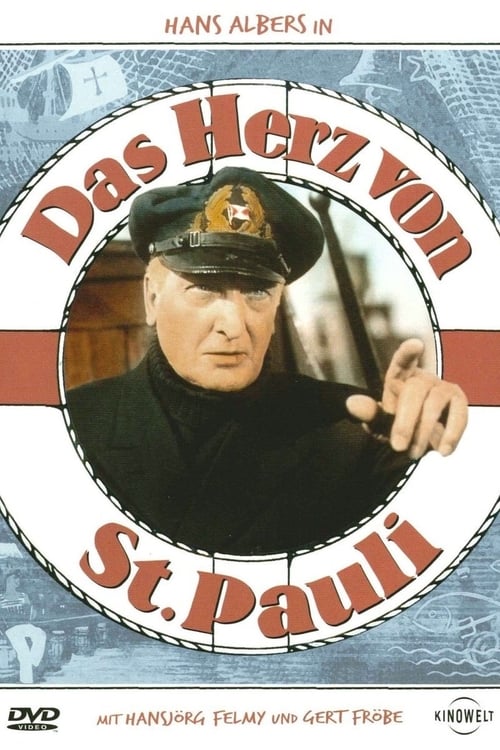
Das Herz von St. Pauli
1957
No user ratings available yet
Representation score: 1.1 out of 10
Representation Score
Limited
1952
Director
Kurt Steinwendner
Runtime
96 minutes
Average Rating
No ratings yetNew Showbiz Analysis
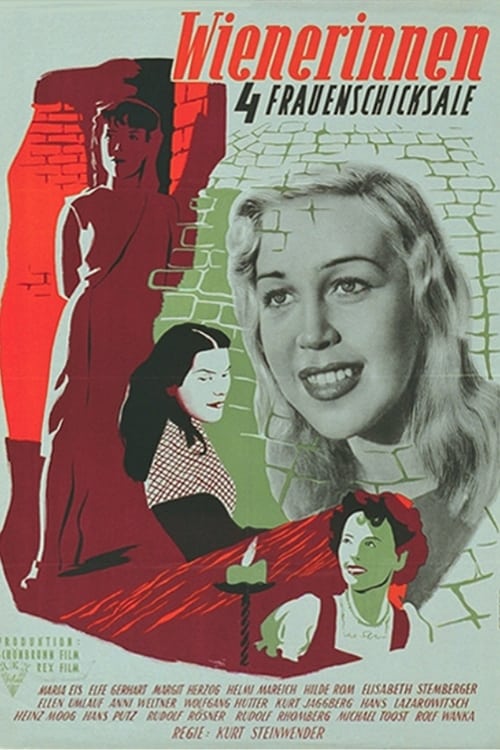
Viennese Women presents a unique look at the mid-20th century by focusing on women's roles in a crime drama. Its mix of neo-realist and expressionist styles highlights the everyday life of the working class. However, the film's limited scope due to the era's demographics means it lacks diverse representation, especially regarding race and LGBTQ+ identities. While it challenges traditional gender norms, it still reflects the ethnic and social makeup of 1950s Austria.
Category Breakdown
The film doesn't show any clear LGBTQ+ characters or stories. Given the time period and location, these identities might be left out or only hinted at.
The movie focuses on women, breaking away from typical male-dominated storylines. Neo-realist elements suggest these characters have rich inner lives and play key roles in the plot.
The cast likely mirrors the mostly white population of post-war Vienna. There's no indication of diverse casting with non-white actors.
The film looks at personal struggles against societal and economic hardships. It uses crime and drama to explore the moral gray areas of survival during a specific time.
There's no information about the film portraying physical or mental disabilities.
Present on Screen
Limited or Absent
Official Synopsis
A mix between Italian neo-realism, German expressionism and Austrian exploitation.
1957
1943
1969

1949
1928
1968

1954
1964
No reviews yet. Be the first to share your thoughts on this movie!
Use the rating form above to leave a star rating and optional review.