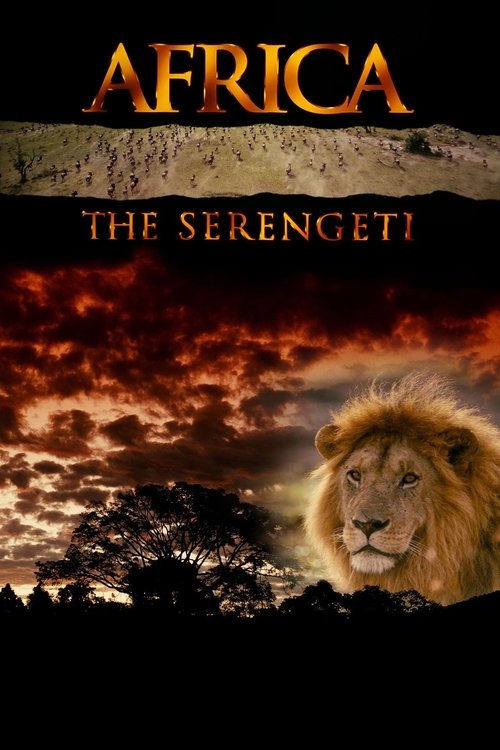
Africa: The Serengeti
1994
No user ratings available yet
Representation score: 2.8 out of 10
Representation Score
Minimal
1959
Director
Bernhard Grzimek
Runtime
85 minutes
Average Rating
No ratings yetNew Showbiz Analysis
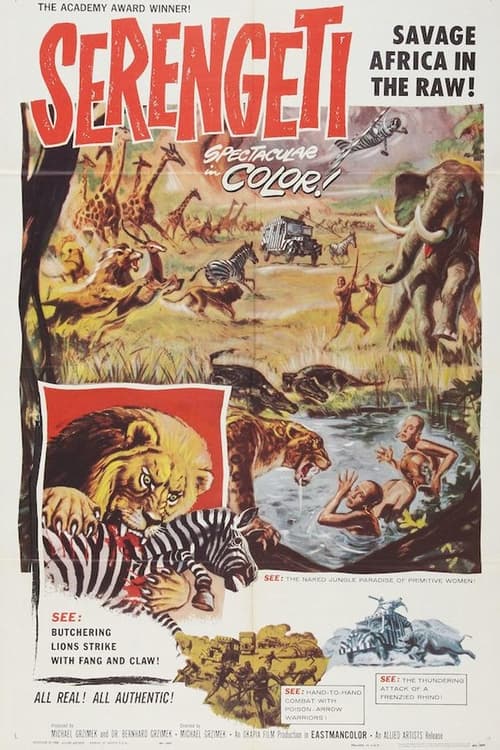
Serengeti Shall Not Die is a traditional naturalist documentary focused on ecological preservation. Its primary goal is documenting animal migrations and promoting conservation through scientific methodology. The film adheres to the established scientific and institutional paradigms of the late 1950s. It prioritizes the work of the Tanzanian National Park Administration and visiting scientific teams over local human perspectives. Since the subject matter is strictly zoological, the film does not engage with social identity politics, diverse representation, or the disruption of cultural norms.
Category Breakdown
The documentary focuses solely on wildlife migration and ecological data. There are no LGBTQ+ characters or narratives addressing non-straight relationships.
The narrative centers on animal behavior and biological processes. It does not depict human gender dynamics or challenge social roles.
The film presents the Tanzanian landscape through a Western scientific perspective. Local ethnic groups have limited influence, reflecting the colonial context of 1959.
The film emphasizes Western scientific frameworks and institutional management. It upholds mid-century conservationist ideals without questioning Western institutions.
The subject matter is strictly zoological. With no human characters depicted, there is no representation of physical or neurodivergent disabilities.
Present on Screen
Limited or Absent
Official Synopsis
The film tells of the beginnings of the Serengeti National Park in Tanzania. At the end of the 1950s, the Tanzanian National Park Administration wanted to fence in the protected area around the Ngorongoro Crater. Bernhard and Michael Grzimek were invited by the national park administration in 1957 to get a precise picture of the animal migrations and to provide the national park administration with the values they needed for their project. Using a new counting method with two airplanes, the Grzimeks found out that the migration of the herds was different than assumed.
1994
2021
2015
1966
2011
2011
1976
2014
No reviews yet. Be the first to share your thoughts on this movie!
Use the rating form above to leave a star rating and optional review.