
For Love and Gold
1966
No user ratings available yet
Representation score: 5.1 out of 10

Representation Score
Minimal
1954
NRDirector
Norman Z. McLeod
Runtime
86 minutes
Average Rating
No ratings yetNew Showbiz Analysis
Casanova's Big Night is a quintessential mid-century studio farce that prioritizes slapstick and situational comedy over social complexity. The narrative structure is built around the 'lovable rogue' cliché, which reinforces existing social hierarchies rather than questioning them. The film lacks any meaningful representation of diverse identities. It adheres to the traditionalist spectrum of 1950s cinema, focusing on a homogeneous European cast and conventional romantic archetypes. Ultimately, the work functions as a standard period comedy that maintains the status quo of its era, offering little in the way of critical examination or diverse perspectives.
Category Breakdown
The film focuses solely on heterosexual relationships and does not include any characters with non-binary gender identities or same-sex relationships.
Gender roles in the film emphasize traditional hierarchies. Female characters mainly serve as objects of desire or obstacles, while the male protagonist holds the dominant role of the pursuer.
The cast is predominantly white and European, reflecting the era's studio standards. The 18th-century Venetian setting is portrayed through a homogeneous lens without showing racial diversity.
The story operates within a conventional Western framework. It uses the established social order of the period as a backdrop for farce without challenging religious or institutional norms.
No visible or invisible disabilities are integrated into the character arcs. The film does not address themes of neurodivergence or physical disability.
Present on Screen
Limited or Absent
Official Synopsis
Italy 1757, Pippo Popolino, a lowly tailor, disguises himself as the great Casanova in order to romance the attractive widow Francesca. He little suspects what awaits him... Locked into the incongruous role by the desperation of the real Casanova's creditors, Pippo must journey to Venice on a delicate mission far beyond his capabilities.
1966
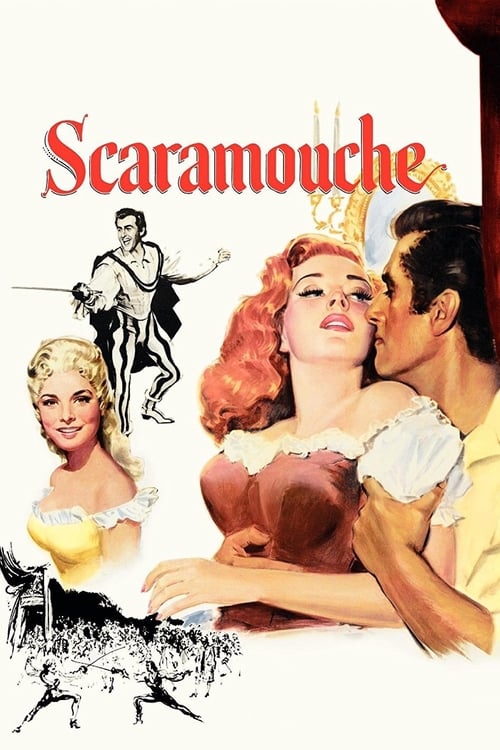
1952

1977
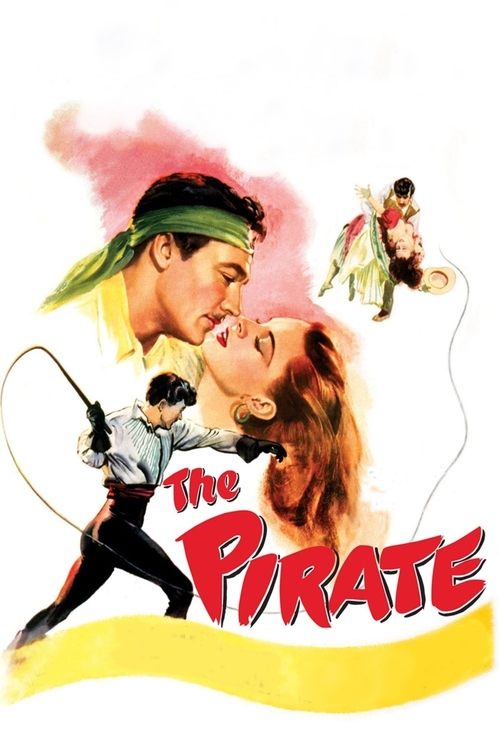
1948
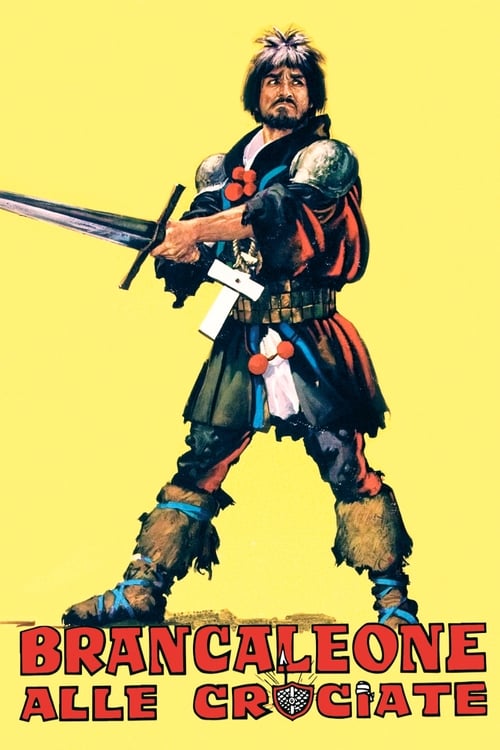
1970

1952
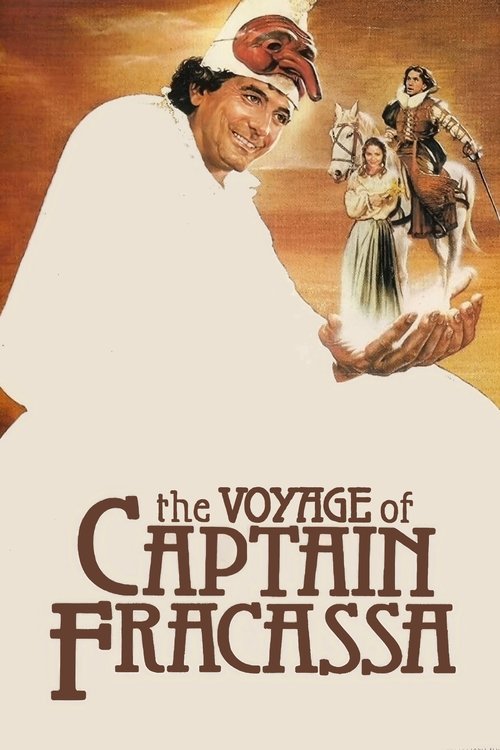
1990
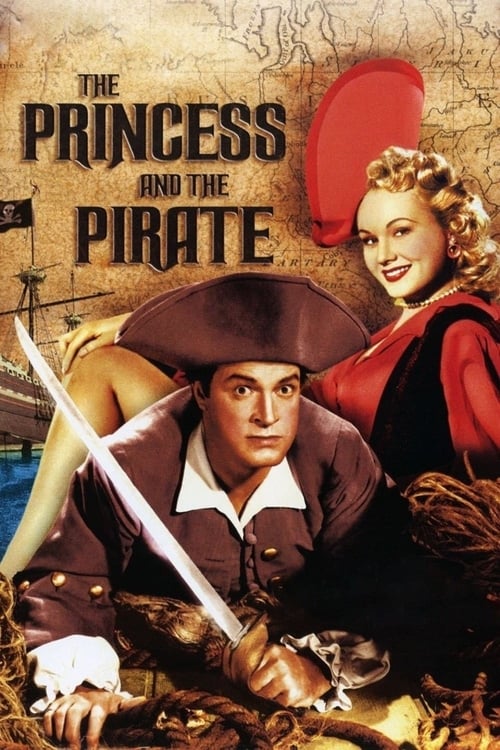
1944
No reviews yet. Be the first to share your thoughts on this movie!
Use the rating form above to leave a star rating and optional review.