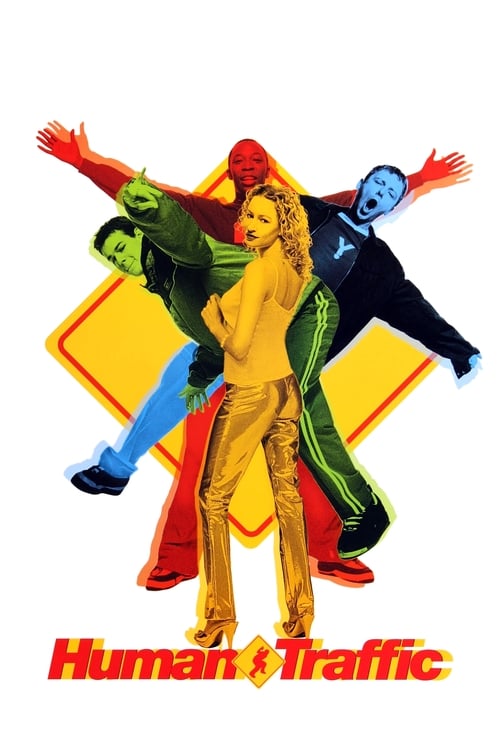
Human Traffic
1999
No user ratings available yet
Representation score: 5.5 out of 10

Representation Score
Excellent
1998
UnratedDirector
Paul McGuigan
Runtime
107 minutes
Average Rating
No ratings yetNew Showbiz Analysis
The Acid House functions as a postmodern critique of social stability, prioritizing psychological realism over conventional narrative comfort. It succeeds by deconstructing established social norms and traditional institutional values through a surrealist lens. While the film lacks high-visibility markers for specific demographic groups like LGBTQ+ identities, it gains strength from its commitment to a fragmented, non-linear reality. The narrative architecture favors the portrayal of human vulnerability and systemic decay. Ultimately, the film's diversity lies in its subversion of traditional storytelling hierarchies and its unflinching look at underrepresented, working-class subcultures.
Category Breakdown
The film focuses on existential and chemical-induced hallucinations rather than centralized LGBTQ+ identities. While it explores unconventional human intimacy, it lacks explicit critiques of the assumption that everyone is straight or cisgender.
Characters are presented through a lens of shared human frailty and social displacement. The narrative avoids reinforcing conventional masculine competence by portraying both genders in states of chaos.
The gritty, urban setting reflects a realistic, multi-ethnic, working-class environment. It avoids a sanitized, monolithic depiction of society in favor of a non-homogeneous urban reality.
The film excels by presenting a world defined by moral relativism and fragmented traditional structures. It challenges cohesive social contracts by framing systemic dysfunction as an existential reality.
Neurodivergence and altered states of consciousness are explored through hallucinogenic visual language. These psychological fragmentations drive the surrealist plot rather than serving as objects of mockery.
Present on Screen
Limited or Absent
Official Synopsis
A surreal triptych adapted by "Trainspotting" author Irvine Welsh from his acclaimed collection of short stories. Combining a vicious sense of humor with hard-talking drama, the film reaches into the hearts and minds of the chemical generation, casting a dark and unholy light into the hidden corners of the human psyche.
1999
1997
1993
2004
1998

2005
2017
1998
No reviews yet. Be the first to share your thoughts on this movie!
Use the rating form above to leave a star rating and optional review.