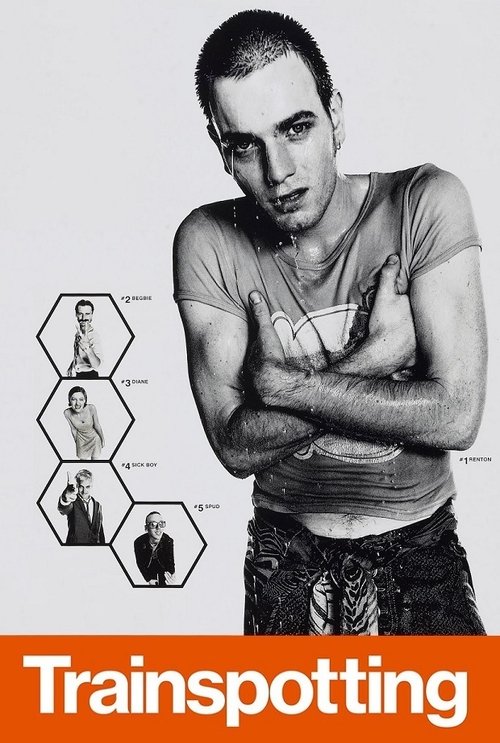
Trainspotting
1996
No user ratings available yet
Representation score: 5.2 out of 10
Representation Score
Fair
2017
RDirector
Danny Boyle
Runtime
117 minutes
Average Rating
No ratings yetNew Showbiz Analysis
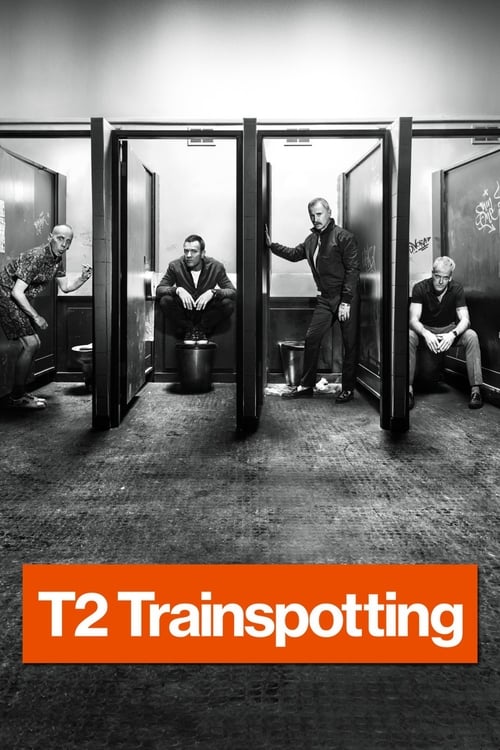
T2 Trainspotting is a stylistically sophisticated film that prioritizes class-based critique over demographic diversity. It succeeds in its postmodern deconstruction of how mainstream society commodifies rebellion and displaces the working class. However, the film remains narrow in its identity representation. The focus on a specific, localized subculture results in low scores for LGBTQ+, gender, and racial diversity. Ultimately, the work finds its strength in cultural subversion. It challenges capitalist institutions and celebrates anti-establishment identities, even as it lacks a broad spectrum of social identities.
Category Breakdown
The film focuses on heterosexual experiences within Edinburgh's nightlife scene. It lacks prominent LGBTQ+ characters or stories that challenge traditional norms.
The movie maintains a heavily male-centric perspective. Female characters primarily exist in relation to the male protagonists' histories rather than driving the plot.
The cast is relatively homogeneous, focusing on a white, working-class Scottish experience. The story prioritizes regional identity and class over racial or ethnic diversity.
The film offers a sharp critique of gentrification and capitalism. It portrays the modernization of Edinburgh as an oppressive force that erodes authentic, non-conformist subcultures.
Mental health and neurodivergent traits are explored through the lens of addiction and social processing. These elements serve gritty realism rather than proactive disability representation.
Present on Screen
Limited or Absent
Official Synopsis
After 20 years abroad, Mark Renton returns to Scotland and reunites with his old friends Sick Boy, Spud and Begbie.
1996

2014

2012

1999

2015

1983

2011

2014
No reviews yet. Be the first to share your thoughts on this movie!
Use the rating form above to leave a star rating and optional review.