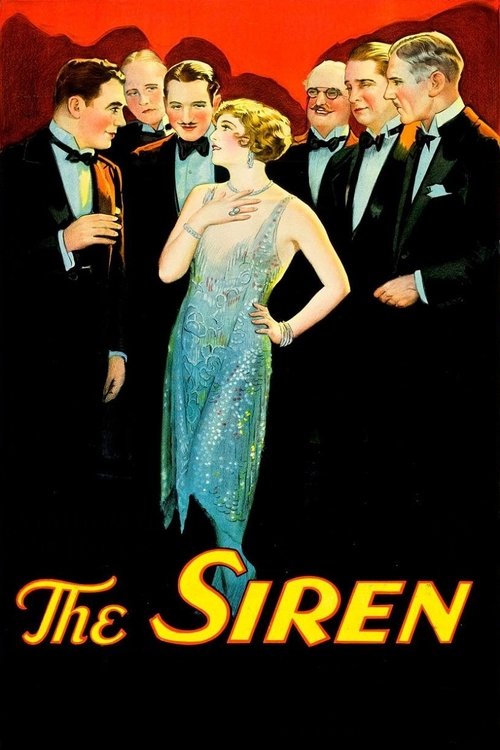
The Siren
1927
No user ratings available yet
Diversity score: 1.8 out of 10
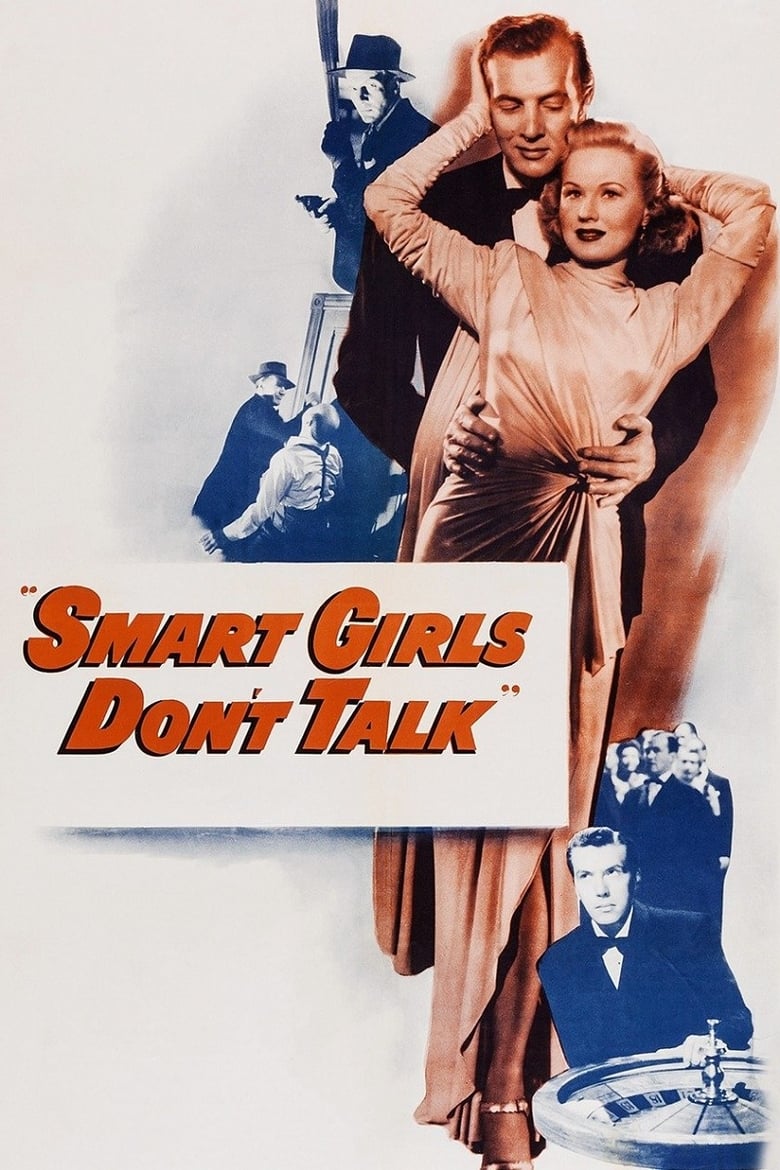
1948
NRDirector
Richard L. Bare
Runtime
81 minutes
Average Rating
No ratings yetSynopsis
A society woman gets involved with a gangster only to find he has hidden plans.
Overall Score
Minimal
Category Breakdown
LGBTQ+ Representation
The film lacks any discernible presence of non-heteronormative identities. Romantic and social dynamics are strictly confined to traditional heteronormative archetypes.
Gender Representation
While the narrative centers on female agency, it is circumscribed by a preoccupation with reputation. The film reinforces traditional hierarchies through a 'good girl' versus 'bad girl' dichotomy.
Racial & Ethnic Diversity
The cast and setting reflect a homogeneous, white-dominated social landscape. There is no evidence of racial blending or the inclusion of characters of color.
Religious & Cultural Diversity
The story operates within a conservative framework that emphasizes institutional stability and social decorum. It validates the re-establishment of social norms rather than critiquing them.
Disability Representation
There are no visible or invisible disabilities portrayed within the narrative. Characters are presented through a lens of physical and neurotypical normality.
Strengths
Areas for Improvement
AI Analysis
Smart Girls Don't Talk functions as a mid-century melodrama designed to reinforce post-war social and moral hierarchies. The film prioritizes the preservation of respectability and traditional structures over any exploration of marginalized identities. The production is characterized by a lack of intersectional complexity. It relies on established tropes to validate conformity, presenting a singular, homogeneous demographic as the universal social norm. Ultimately, the film serves to uphold the status quo. It uses the tension of teenage rebellion to underscore the necessity of returning to traditional communal and moral standards.
1927
1946
1944

1951
1945

1940

1933

1934
1934
1940
1942
1946
No reviews yet. Be the first to share your thoughts on this movie!
Use the rating form above to leave a star rating and optional review.