
8 Seconds
2015
No user ratings available yet
Representation score: 3.0 out of 10
Representation Score
Good
2018
Director
Burak Çevik
Runtime
70 minutes
Average Rating
No ratings yetNew Showbiz Analysis
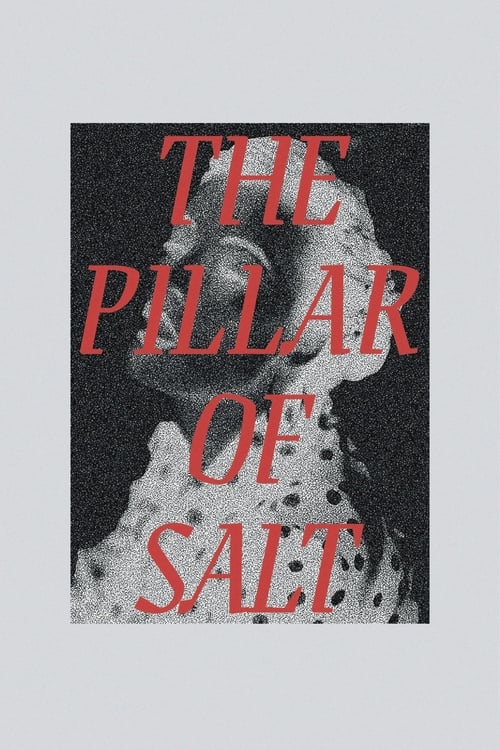
The Pillar of Salt is a psychological drama that prioritizes subjective experience and internal landscapes over linear plot progression. It succeeds in centering women's ability to drive the story and exploring complex mental states through its protagonist. However, the film lacks explicit demographic data, making it difficult to assess racial or specific LGBTQ+ representation. The narrative leans heavily into psychological interiority, which provides depth but leaves sociological diversity unverified. Ultimately, the film's strength lies in its deconstruction of traditional storytelling norms and its commitment to non-conformist human experiences.
Category Breakdown
The film explores non-traditional interpersonal connections through haunted characters and a search for a twin sister. While specific LGBTQ+ identities are not explicitly confirmed, the narrative prioritizes unconventional lived experiences.
The story centers on a reclusive woman's psychological landscape, highlighting complex, intellectually driven women. This disrupts traditional masculine-centric storytelling clichés.
A definitive score cannot be assigned due to limited data regarding the cast and ethnic composition. The narrative focus remains on psychological depth rather than sociological markers.
The film utilizes a postmodern approach to reality, incorporating themes of devils and dreams. This creates a spiritually ambiguous framework that challenges conventional social and domestic stability.
The protagonist's reclusive lifestyle and fragmented perception suggest themes of neurodivergence or mental health struggles. Psychological complexity serves as a central plot driver rather than a secondary trait.
Present on Screen
Limited or Absent
Official Synopsis
A reclusive woman in her thirties leads a life frozen in time in a cave-like room. In her rare trips to the city, she chats with an oarswoman haunted by the devils. She searches for her twin sister in unfrequented corners of the city. In this journey in which time and space are out of joint, a same dream is recounted time after time.
2015

2019

2019

2014

2005
2020

2018
2009
No reviews yet. Be the first to share your thoughts on this movie!
Use the rating form above to leave a star rating and optional review.