
My Father Is an Airplane
2021
No user ratings available yet
Representation score: 7.0 out of 10
Representation Score
Excellent
2020
Director
Charlotte Dauphin
Runtime
77 minutes
Average Rating
No ratings yetNew Showbiz Analysis
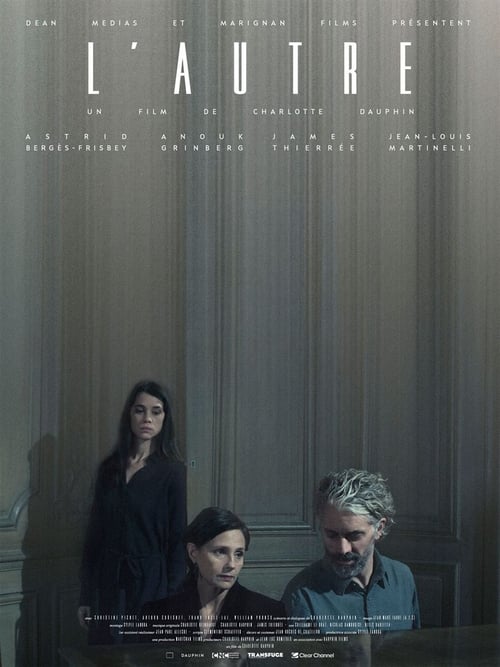
Charlotte Dauphin’s drama centers on a female protagonist's internal struggle, offering a rare look at psychological ability to act. By making mental instability the core of the narrative, the film treats neurodivergence with complexity rather than as a mere plot device. However, the film lacks explicit LGBTQ+ representation and clear evidence of deep racial integration. While the cast is diverse, the narrative focus remains tightly centered on the protagonist's subjective experience, leaving other demographic intersections largely unaddressed.
Category Breakdown
The film does not include any explicit representations of LGBTQ+ identities or dynamics. Although the dreamlike narrative allows for potential exploration of identity, there are no specific representations of LGBTQ+ characters.
The story focuses entirely on a female protagonist's psychological journey. This emphasis disrupts traditional hierarchies by prioritizing her internal emotional landscape and ability to act.
The cast includes actors of various ethnicities, such as Thanh Ingle-Lai, adding some diversity. However, it is unclear if these characters' identities are fully integrated into the central narrative arc.
The film emphasizes subjective morality and psychological relativism. By focusing on fluid perceptions of reality, it challenges traditional, institutionalized structures of order.
Mental health and neurodivergence are central to the plot. The film gives significant weight to the protagonist's psychological state, avoiding common clichés like mockery or inspiration porn.
Present on Screen
Limited or Absent
Official Synopsis
An intimate portrait of a woman's mental confrontation and drifting between dream and reality after experiencing loss.
2021
2018

2017

2019

2016

2014

2019

2023
No reviews yet. Be the first to share your thoughts on this movie!
Use the rating form above to leave a star rating and optional review.