Glimpses of Old England
1949
No user ratings available yet
Representation score: 0.3 out of 10
Representation Score
Minimal
1950
ApprovedRuntime
9 minutes
Average Rating
No ratings yetNew Showbiz Analysis
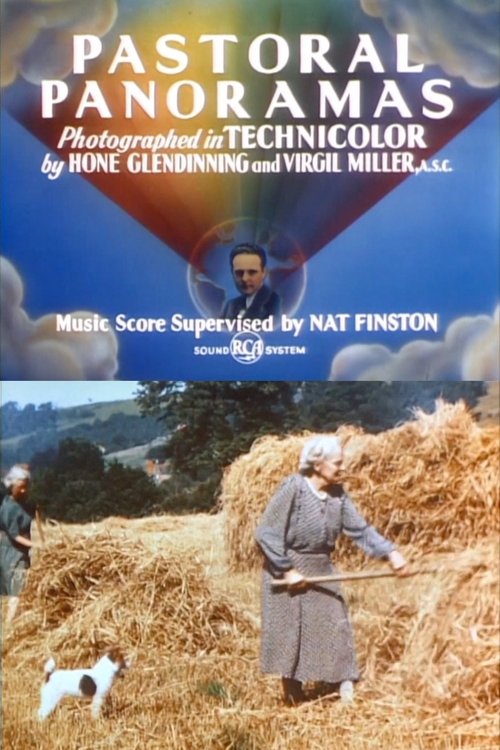
Pastoral Panoramas is a mid-20th-century travelogue that prioritizes the beauty and history of English landmarks over social commentary. It functions as a celebration of national heritage, focusing on scenic beauty and historical sites like the burial site of Thomas Gray. The production adheres to traditionalist standards of 1950s British filmmaking, resulting in a homogeneous portrayal of the English countryside that lacks diverse representation. Ultimately, the film reinforces existing cultural norms and romanticized views of the pastoral landscape without challenging them.
Category Breakdown
The film focuses solely on the landscape and architecture, with no characters or stories involving LGBTQ+ individuals or non-straight identities.
This visual survey of English villages highlights traditional views of the countryside without active roles for its characters. It reinforces historical norms of the era.
The film emphasizes a homogeneous Anglo-Saxon landscape without any indication of multi-ethnic casting or diverse cultural perspectives.
It celebrates traditional Western landscapes and British heritage, romanticizing the established English pastoral tradition without offering diverse cultural critiques.
As a landscape-focused documentary, there are no character-driven narratives, so no physical or neurodivergent identities are depicted.
Present on Screen
Limited or Absent
Official Synopsis
This Traveltalk series short highlights rural areas of England. We stop at the village of Bradford-on-Avon, with its thatched roofs, also Stoke Poges, the burial place of British poet Thomas Gray.
1949
1950
1950
1949
1950
1950
1950
1938
No reviews yet. Be the first to share your thoughts on this movie!
Use the rating form above to leave a star rating and optional review.