Handsworth Songs
1986
No user ratings available yet
Representation score: 8.6 out of 10
Representation Score
Good
1990
Director
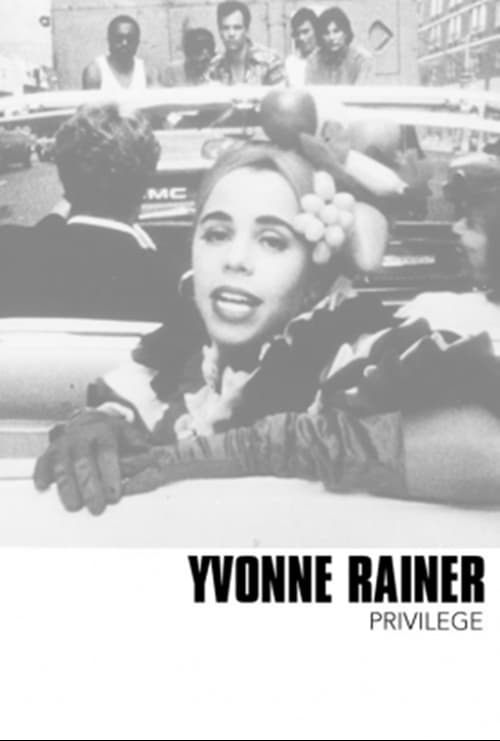
Yvonne Rainer
Runtime
103 minutes
Average Rating
No ratings yetNew Showbiz Analysis
This film prioritizes the deconstruction of systemic oppression over traditional storytelling. Instead of relying on including someone from a minority group without giving them real depth, it uses a collage-like structure to critique the mechanisms of ageism, sexism, and racism. The film's strength lies in its intellectual rigor and its refusal to adhere to conventional narrative stability. By exploring identity through a fragmented lens, it challenges viewers to confront how media shapes consciousness. While the film excels in feminist inquiry and cultural critique, it lacks explicit narrative representations of LGBTQ+ identities and specific racial casting details, making its impact more conceptual than character-driven.
Category Breakdown
The film does not include explicit depictions of same-sex intimacy or characters whose gender does not match their assigned-at-birth status. However, its fragmented approach to identity challenges the assumption that everyone is straight or cisgender.
Focused on feminist inquiry, the film uses a female perspective to break down the commercialization of women's bodies. It actively dismantles the patriarchal structures inherent in media consumption.
Specific casting details remain unconfirmed due to the film's experimental nature. Nevertheless, the work engages intentionally with the power dynamics of racism.
The film provides a sophisticated critique of capitalist structures and the media spectacle. It challenges traditional Western institutional narratives by emphasizing subjective experience.
There are no specific character arcs or depictions of disability to evaluate within this experimental essay film.
Present on Screen
Limited or Absent
Official Synopsis
Privilege is an intelligently conceived, boldly anarchic, and wickedly insightful exposition on the culturally ingrained and socially divisive malaise of isms that artificially define and characterize empowerment in contemporary society: ageism, sexism, economic elitism, and racism. Yvonne Rainer conveys texture through the intercutting of archival footage, video, and film - as well as compositional layering through the film-within-a-film structure, elliptical (and self-referential) fusion of past and present, and the filmmaker's idiosyncratic penchant for superimposed typed text.
1986
2018
1971
1983

2010
2009
1971
2016
No reviews yet. Be the first to share your thoughts on this movie!
Use the rating form above to leave a star rating and optional review.