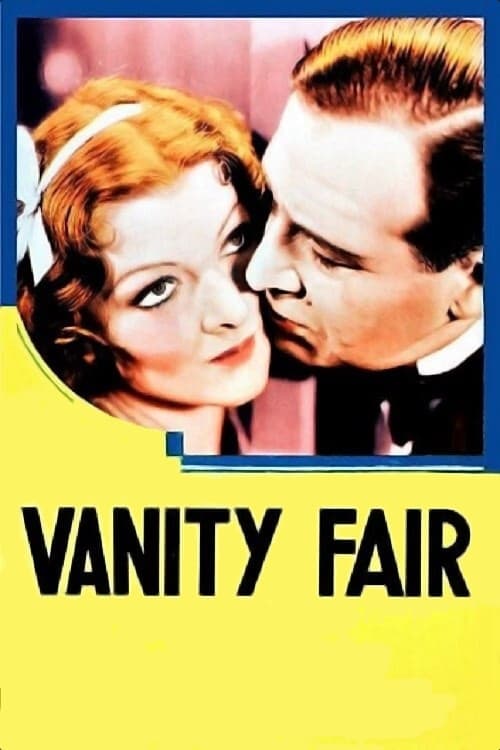
Vanity Fair
1932
No user ratings available yet
Representation score: 5.7 out of 10
Representation Score
Limited
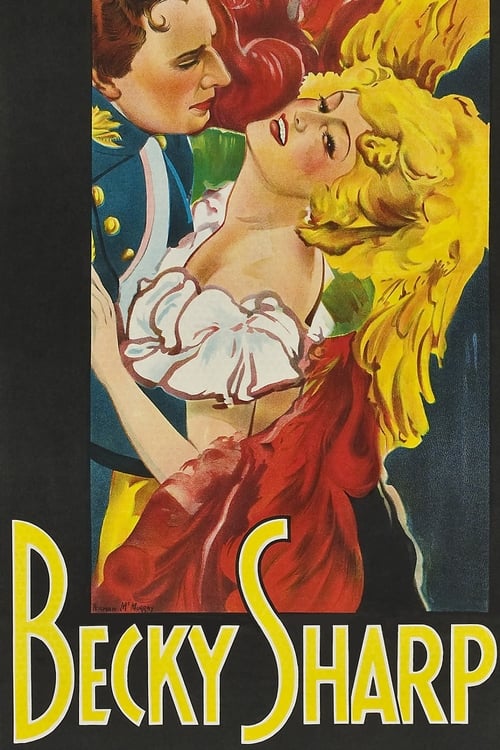
1935
NRDirector
Rouben Mamoulian
Runtime
84 minutes
Average Rating
No ratings yetNew Showbiz Analysis
Becky Sharp emphasizes personal ability to act over inherited status. While it successfully portrays complex female autonomy and critiques class hierarchies, it is constrained by historical and industrial limitations. The film's strength lies in its subversion of gender stereotypes, presenting a protagonist who uses psychological acumen to navigate societal challenges. However, the lack of racial and LGBTQ+ diversity reflects the era's social boundaries. Ultimately, the film is a sophisticated exploration of social mobility through its protagonist's survival tactics.
Category Breakdown
The film is set in the Regency era and does not depict any non-straight relationships. The story revolves around traditional romantic relationships within a patriarchal structure.
Becky Sharp challenges the expectation of passive women by showing strong independence. She uses intelligence and strategy to navigate a male-dominated society.
The cast is mainly white and European, reflecting the 19th-century setting and the film industry standards of the time. There is no indication of diverse ethnic or racial representation.
The film offers a critical look at the British aristocracy and rigid class systems. It portrays traditional social structures as hypocritical and exclusionary through the protagonist's actions.
There are no characters with visible or invisible disabilities featured in the film.
Present on Screen
Limited or Absent
Official Synopsis
In early 19th century England, ambitious and ruthless orphan Rebecca Sharp advances from the position of governess to the heights of British society. The first feature length film to use three-strip Technicolor.
1932

1935

1954

1932
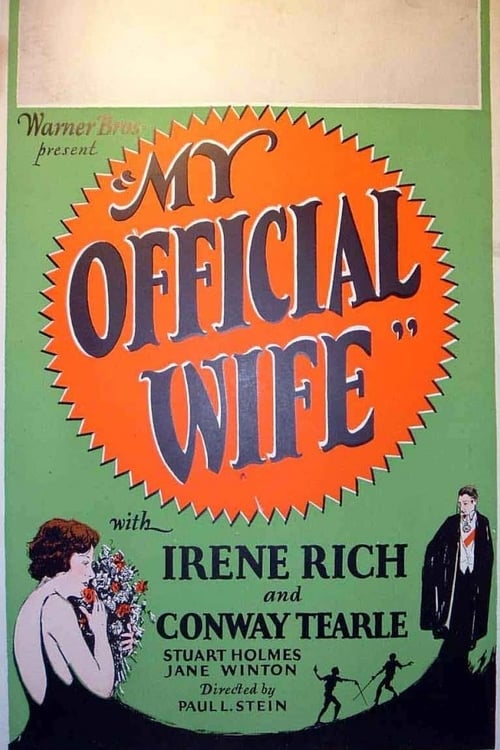
1926

1955

1951

1971
No reviews yet. Be the first to share your thoughts on this movie!
Use the rating form above to leave a star rating and optional review.