The Big Snit
1985
No user ratings available yet
Diversity score: 3.8 out of 10
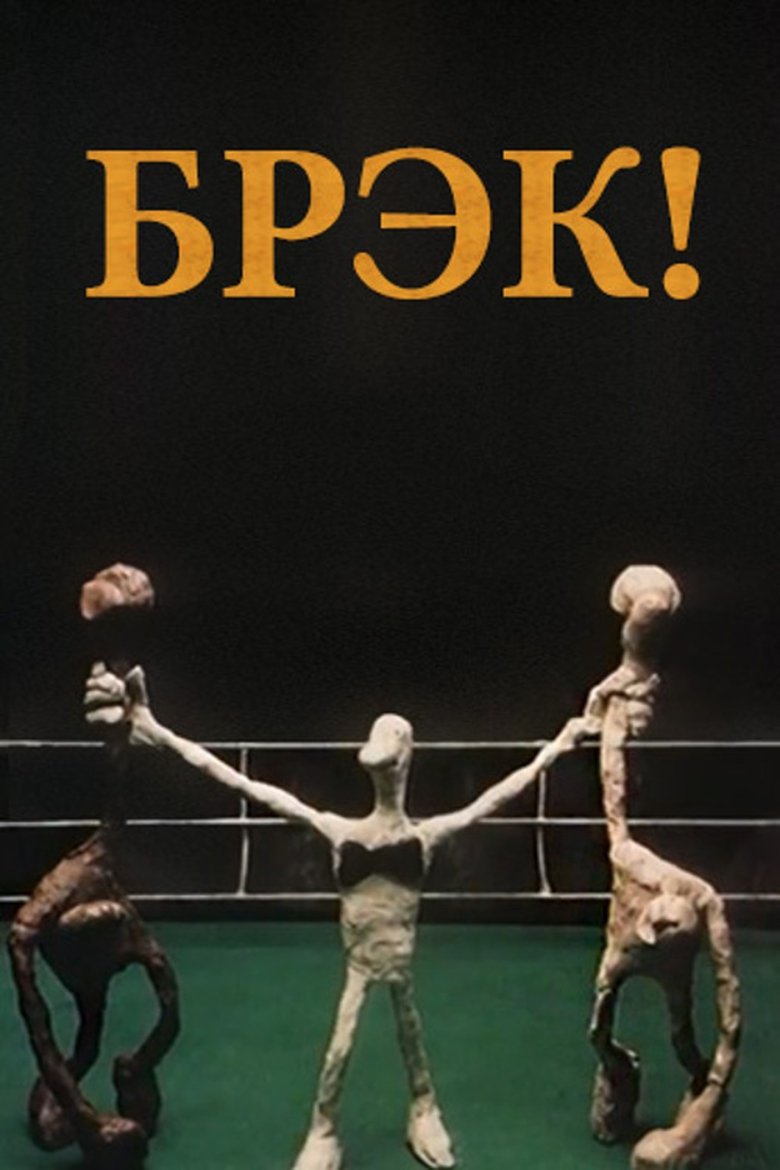
1985
Director
Garri Bardin
Runtime
11 minutes
Average Rating
No ratings yetSynopsis
This cartoon is directed against the brutality of professional Boxing. In parody form it ridiculed unworthy methods and means used to achieve victory.
Overall Score
Limited
Category Breakdown
LGBTQ+ Representation
The film lacks any visible LGBTQ+ characters or narratives. It focuses entirely on a systemic critique of combat rather than interpersonal identity.
Gender Representation
The narrative engages with masculine archetypes through the lens of boxing. However, it does not explicitly subvert gender hierarchies to achieve a higher score.
Racial & Ethnic Diversity
Characters function as allegorical puppets rather than specific ethnic identities. This results in a lack of visible racial or ethnic diversity.
Religious & Cultural Diversity
The film excels by parodying the brutality of professional boxing. It uses metaphor to critique hyper-competitive social frameworks and institutionalized violence.
Disability Representation
There is no discernible evidence regarding the portrayal of physical or neurodivergent disabilities within the film's thematic structure.
Strengths
Areas for Improvement
AI Analysis
Garri Bardin’s stop-motion short is a stylized, metaphorical critique of systemic brutality. It uses puppet animation to reframe professional boxing as a cycle of senseless violence rather than a display of merit. The film prioritizes institutional critique over demographic representation. While it lacks traditional diversity in terms of race, gender, or LGBTQ+ identity, it succeeds in deconstructing the social rituals of competition. Ultimately, the work functions as a postmodern exploration of power. It replaces literal character studies with allegorical figures to highlight the absurdity of pursuing victory through unworthy means.
1985

1951
1958
1943

1968
1970
1997
1951
1998
1946
1971
1953
No reviews yet. Be the first to share your thoughts on this movie!
Use the rating form above to leave a star rating and optional review.