
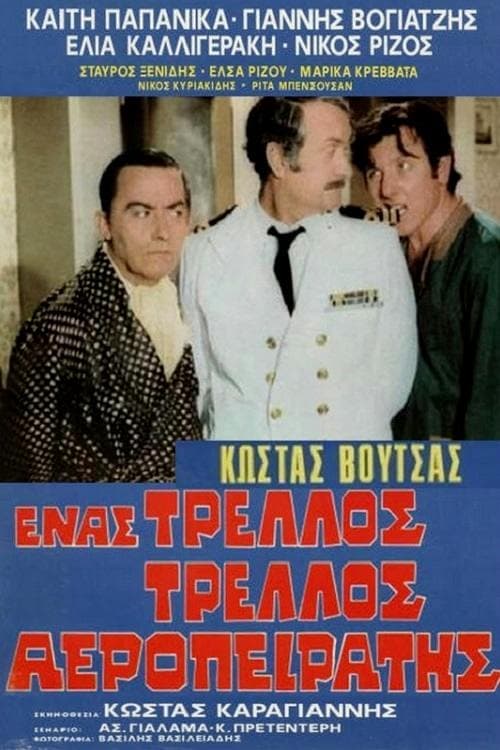
And It Flies... And It Lies
1988
No user ratings available yet
Representation score: 1.5 out of 10
Representation Score
Limited
1973
Director
Kostas Karagiannis
Runtime
102 minutes
Average Rating
No ratings yetNew Showbiz Analysis
This 1973 comedy offers a glimpse into the social constraints of its era, focusing on the tension between private truths and public personas. The plot revolves around the performative nature of domestic life, driven by the need to meet institutional demands. While the film touches on the precariousness of women's autonomy in the workplace, it stays rooted in the period's social norms. It lacks the broad range of diverse identities and effective subversion needed to challenge traditional hierarchies. Ultimately, the film highlights how institutional rules force individuals into deception, offering a critique of rigid systems rather than celebrating diverse identities.
Category Breakdown
The film looks at how people act in social settings by keeping up appearances at home. It includes same-sex couples who pretend to be heterosexual to fit in with societal norms.
Women in the film face professional limits that require them to hide their marital status. This shows the conflict between women’s career opportunities and strict social structures of the time.
The story focuses on a small, uniform community with no visible ethnic diversity. There are no characters from different ethnic backgrounds in the main storyline.
The story explores the tension between personal lives and institutional rules. It shows how strict workplace policies force people into complicated social lies.
The film does not feature any characters with physical or neurological differences.
Present on Screen
Limited or Absent
Official Synopsis
Two apartments of an apartment building with common balcony, living two same-sex couples. At one resident Stephen with Fanny and the other Myrto with Tatiana. But other things show and others are as well in the apartments live two married couples. Stephen with Myrto and Fanis with Tatiana, who keep hidden their marriages, because women working as hostesses in an airline that does not allow their marriage...
1988
1978
1962

1981
1967

1970

1962

1973
No reviews yet. Be the first to share your thoughts on this movie!
Use the rating form above to leave a star rating and optional review.