Jasper Jones
2017
No user ratings available yet
Diversity score: 7.3 out of 10
1976
Director
Lewis John Carlino
Runtime
105 minutes
Average Rating
No ratings yetSynopsis
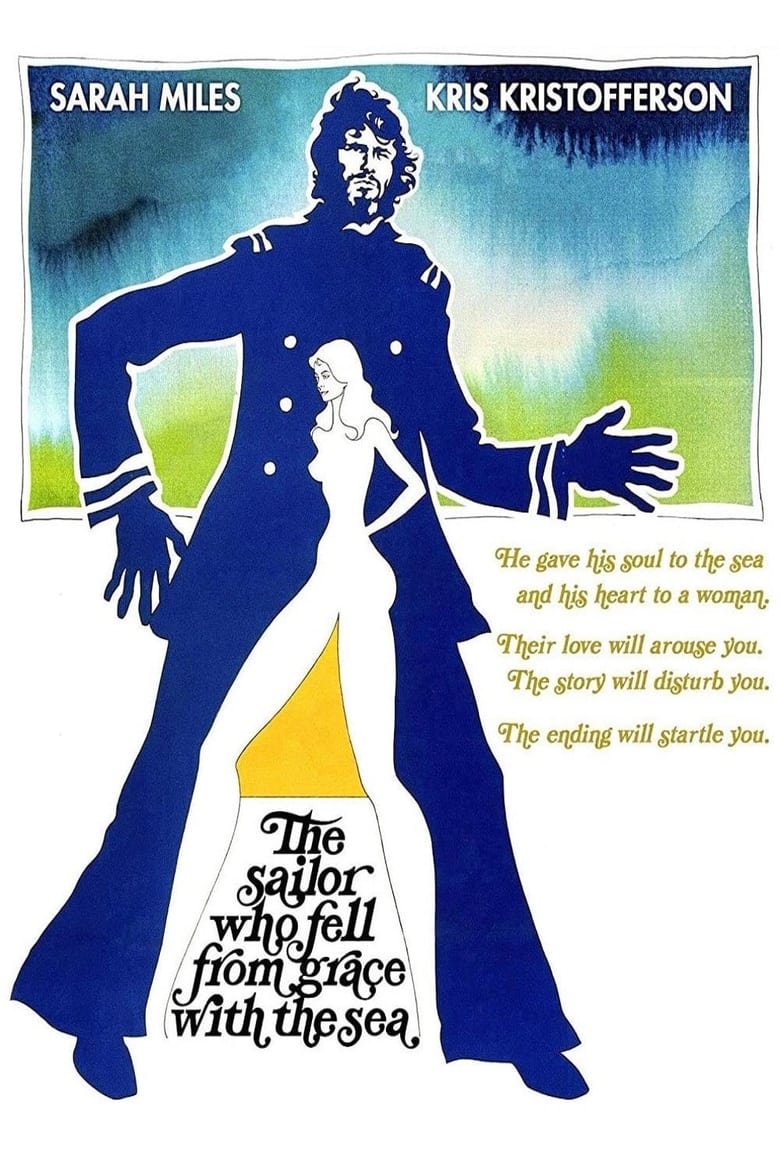
When a widowed mother falls in love with an American sailor, her troubled young son is pressured by the bullying leader of his clique to seek revenge.
Overall Score
Good
Category Breakdown
LGBTQ+ Representation
The film focuses on heteronormative sexual dynamics and erotic tension between central adults. There is no discernible presence of non-cisnormative identities or same-sex intimacy.
Gender Representation
Ryoko disrupts conventional hierarchies by exerting significant sexual agency and psychological influence. She challenges the nurturing mother trope, prioritizing her own autonomy over domestic expectations.
Racial & Ethnic Diversity
The production features a predominantly Japanese cast that reflects its setting. This avoids whitewashing by centering a non-Western fishing community without imposing Western casting norms.
Religious & Cultural Diversity
The narrative explores the breakdown of traditional authority and communal morality. It portrays adolescent characters operating through a nihilistic framework that rejects conventional ethics.
Disability Representation
Psychological trauma and mental volatility drive the thriller plot. However, these elements function more as plot devices than nuanced explorations of neurodivergence or disability.
Strengths
Areas for Improvement
AI Analysis
The film excels in its commitment to a non-Western cultural perspective and its subversion of gendered power dynamics. By centering a Japanese community and presenting a female lead with significant agency, it avoids many mainstream dramatic tropes. However, the film remains limited by a lack of LGBTQ+ representation and a tendency to use psychological instability as a mere narrative tool. The focus remains heavily on heteronormative and traditional sexual orientations. Ultimately, the work is a sophisticated deconstruction of social and moral hierarchies, even if it lacks specific representation for marginalized identities.
No reviews yet. Be the first to share your thoughts on this movie!
Use the rating form above to leave a star rating and optional review.
