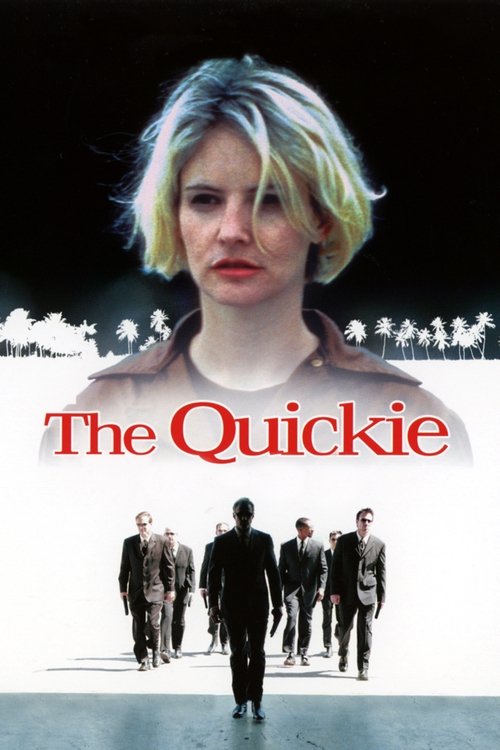
The Quickie
2001
No user ratings available yet
Diversity score: 3.2 out of 10

2009
Director
Upi
Runtime
110 minutes
Average Rating
No ratings yetSynopsis
Jarot and Ale are friends. They grow up together since childhood -- they have the same life story, but are different in character. With extra members Lukman, Sadat and Jago, they created the gang "Serigala Terakhir" a.k.a "Last Wolves". They dream to be the biggest mafia that they can be.
Overall Score
Limited
Category Breakdown
LGBTQ+ Representation
The film focuses on male-centric gang dynamics and brotherhood. There is no evidence of LGBTQ+ characters or narratives that critique heteronormativity.
Gender Representation
The narrative architecture is heavily centered on male agency and the ambitions of the 'Last Wolves' gang. It lacks female characters in positions of structural power.
Racial & Ethnic Diversity
As a localized Indonesian production, the film shifts focus away from Anglo-Saxon centricity. It explores social dynamics within a specific regional, non-Western framework.
Religious & Cultural Diversity
The story explores organized crime and mafia structures through the lens of a crime drama. It prioritizes gang loyalty over systemic or institutional critique.
Disability Representation
The available information provides no mention of characters possessing visible or invisible disabilities.
Strengths
Areas for Improvement
AI Analysis
The Last Wolf is a localized crime drama that prioritizes male-driven agency and traditional gang hierarchies. This focus on masculine brotherhood limits its breadth regarding gender and LGBTQ+ representation. While the film lacks intersectional complexity, it gains points for its non-Western setting. By operating within an Indonesian context, it disrupts the demographic norms often found in mainstream Hollywood cinema. Ultimately, the film functions as a gritty exploration of urban social hierarchies rather than a vehicle for diverse social commentary.
2001
2007
1999
2008
2022
2000

2006

2019

1975

2023

2007
1996
No reviews yet. Be the first to share your thoughts on this movie!
Use the rating form above to leave a star rating and optional review.