Germany Pale Mother
1980
No user ratings available yet
Representation score: 6.3 out of 10
Representation Score
Good
1957
Director
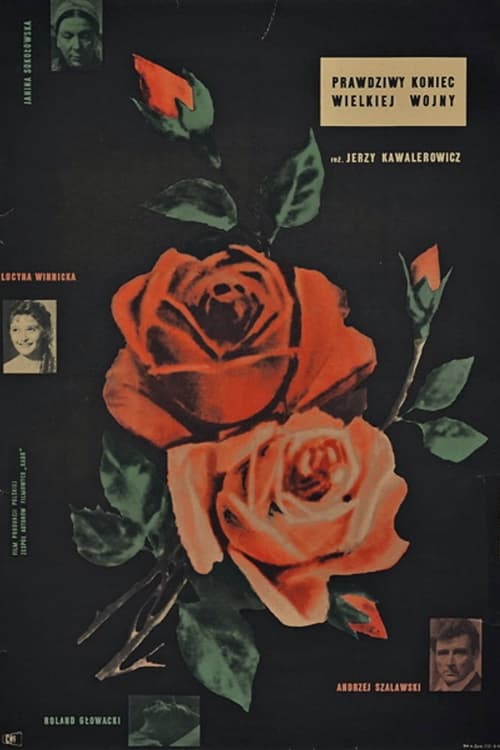
Jerzy Kawalerowicz
Runtime
85 minutes
Average Rating
No ratings yetNew Showbiz Analysis
Jerzy Kawalerowicz presents a psychological drama that avoids the sentimental pitfalls of wartime melodrama. By focusing on the raw, uncomfortable truths of post-war survival and the erosion of family stability, the film offers a realistic portrayal of the period. The film excels by avoiding idealized depictions of soldiers and grieving wives. Instead, it delves into the visceral tension between survivors trying to move forward and the haunting remnants of a shattered past. However, the film’s narrow demographic focus limits its broader appeal. While it provides a deep look at trauma, it lacks representation of LGBTQ+ identities and diverse racial backgrounds.
Category Breakdown
The film does not include any explicit LGBTQ+ characters or non-straight relationships. The focus is on heterosexual relationships and does not explore any non-heterosexual identities.
Róża transitions from a hopeful wife to a pragmatic and eventually disillusioned woman. She actively rebuilds her life during the war, challenging traditional nurturing female roles.
The film reflects the demographics of 1957 Poland, focusing on the central characters rather than a diverse cast. It addresses the horrors of concentration camps but does not highlight a range of ethnic backgrounds.
The film avoids romanticized or patriotic views of war. It prioritizes existential themes by showing the breakdown of traditional social structures and the marital unit.
Juliusz is shown as physically disabled and tormented by trauma. The film examines how disability affects interpersonal relationships and daily life, moving beyond simple tragedy to a deeper understanding.
Present on Screen
Limited or Absent
Official Synopsis
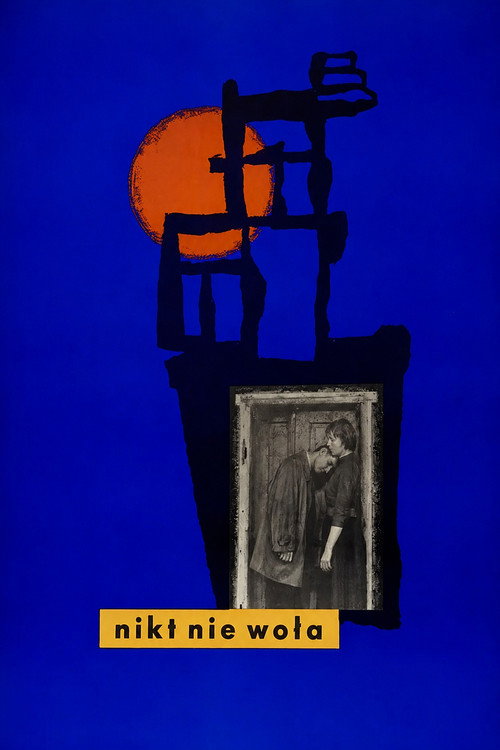
Róża marries a promising young architect, Juliusz. Then World War II breaks out and within weeks Juliusz is deported to a concentration camp. Months, and then years go by, until Róża abandons any hope that her husband might return. She meets and falls in love with another man, and tries to put her life back together, but one day, unexpectedly, Juliusz does return - a shattered, mere ghost of his former self, physically crippled and tormented by memories of the camps. First out of duty, then out of pity, Róża starts to care for him, but her feelings slowly are transformed into a kind of revulsion
1980

1979
1970

1950
1963
1983

1946
1960
No reviews yet. Be the first to share your thoughts on this movie!
Use the rating form above to leave a star rating and optional review.