Saint-Ex
1996
No user ratings available yet
Representation score: 4.8 out of 10
Representation Score
Fair
2005
Director
Raúl Ruiz
Runtime
106 minutes
Average Rating
No ratings yetNew Showbiz Analysis
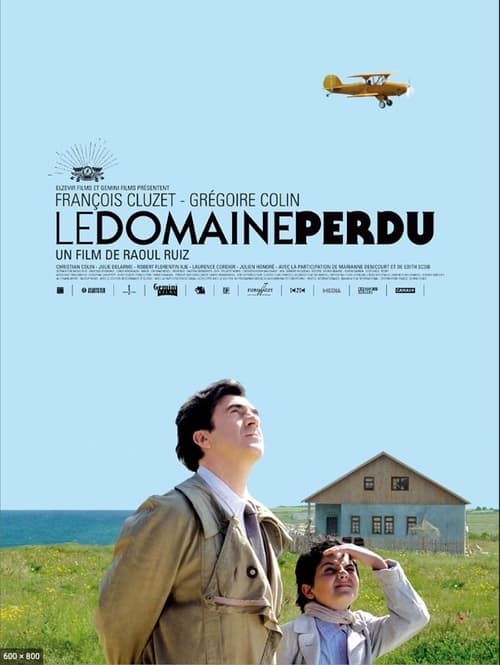
The Lost Domain sets itself apart through a fragmented, global perspective that avoids a single, Western-centric timeline. By intertwining various periods—from 1932 to the 1973 Chilean coup—the film highlights the subjectivity of experiences and cross-cultural connections. Though the narrative centers around male-dominated historical themes, its surrealist approach helps challenge traditional social hierarchies. The film’s strength lies in integrating Latin American political upheaval into a broader, non-linear tapestry of memory. Overall, the work serves as a sophisticated critique of institutional truths, using a postmodern lens to explore how personal history intersects with global political changes.
Category Breakdown
The film explores strong, long-lasting bonds between men over several decades. While it doesn't show explicit same-sex intimacy, it offers a nuanced look at male friendships and mentorship.
The story focuses on male-dominated historical events like aviation and war. However, its surreal style often blurs traditional gender roles, presenting characters in fluid, dream-like states.
The narrative spans France, London, and Chile, moving beyond a strict Eurocentric viewpoint. By focusing on the Chilean coup, it provides a crucial alternative to typical Western historical narratives.
The film stands out by emphasizing personal memories over official histories. It critically examines political power structures and the instability of geopolitical arrangements during that time period.
There is no documented portrayal of physical or neurodivergent disabilities in the film.
Present on Screen
Limited or Absent
Official Synopsis
Set in 1973 during the coup d'etat in Chile, Max recalls his encounters in London during World War II with French aviator Antoine, a childhood hero he first met in his native country one morning in 1932 and who initiated him to the wonders of aviation.
1996
2016

1979
1937

1977

1966

2024

1940
No reviews yet. Be the first to share your thoughts on this movie!
Use the rating form above to leave a star rating and optional review.